
Pests
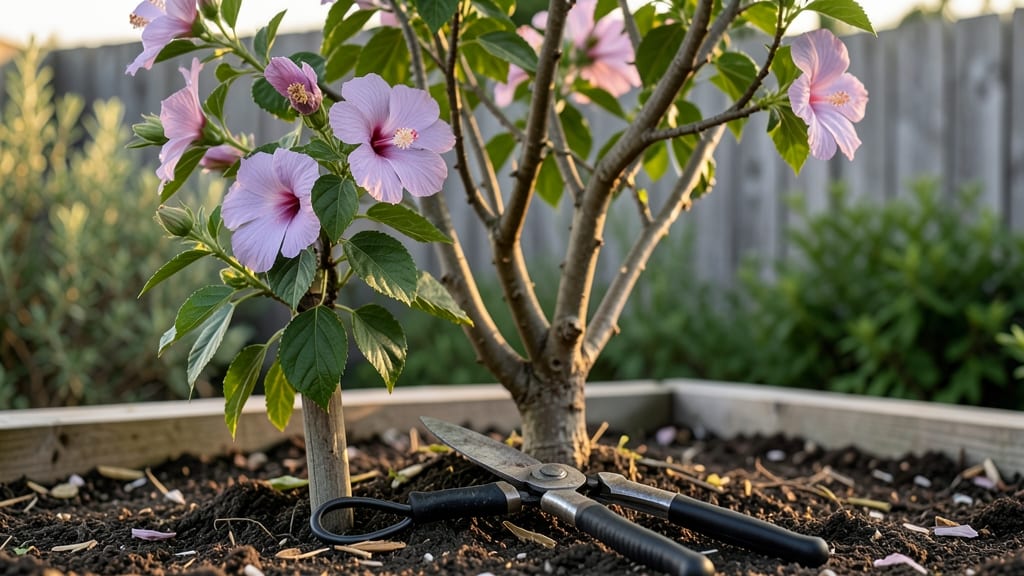
Rose of Sharon (Hibiscus syriacus) spreads like wildfire when left unchecked—its thick roots and aggressive growth can take over gardens in just a few seasons. 🌿 I’ve spent years battling this plant, and the key to fast removal is combining cutting, smothering, and repeat treatments.
The worst part? One missed root can send up new shoots within weeks, turning your garden into a dense thicket.
You’ll need sharp pruners, a shovel, thick cardboard or mulch, and either vinegar or a targeted herbicide (glyphosate works but requires caution). The process isn’t quick—it takes 3-5 seasons of vigilance—but with consistent effort, you’ll reclaim your space.
Start by cutting back all stems to the ground in early spring, then smother the roots with layers of cardboard and mulch to starve them out.
What you’ll end up with is a garden free of those relentless purple blooms (or white, if you’re unlucky). The soil will feel lighter, and you’ll finally see other plants you actually planted getting the sunlight they deserve.
Just remember: one root left behind means more work later—so dig deep and check for any stubborn survivors.
If you’re in a warm climate, repeat treatments in fall too—Rose of Sharon grows faster in heat. For colder zones, focus on early spring cuts before new growth starts.
And if you’re tempted to keep it as a "low-maintenance" plant, think again: its invasive nature makes it anything but. Let’s tackle this together—your garden’s future depends on it.
📚 In This Guide
- What you need
- Instructions
- Tips and common mistakes
- Wrapping up and next steps
What you need
- ● Heavy-duty gloves – Protect your hands from thorns and sap (1 pair). Look for gardening-grade gloves with reinforced palms.
- ● Pruning shears or loppers – Use sharp, bypass pruners (for small branches) or loppers (for thicker stems). Disinfect blades with rubbing alcohol.
- ● Shovel or digging fork – A flat-head shovel or d-handle digging fork works best for uprooting roots. Choose one with a 4-6 inch blade for deeper digging.
- ● Garden tarp or heavy-duty plastic sheeting – A 6-10 mil thick tarp (at least 10x10 feet) to smother regrowth or contain debris.
- ○ String trimmer or weed whacker – Optional but helpful for cutting back thick, woody stems before digging.
- ● Garden hose or water source – For soaking the soil before uprooting (aim for 10-15 minutes of steady watering).
- ● Disposable bags or compost bin – For hauling away cuttings and roots. Line bags with trash liners to prevent leaks.
- ● Vinegar (20-30% acetic acid) or herbicide (glyphosate-based) – For spot treatment on stubborn stumps or regrowth. Vinegar: Mix 1 gallon vinegar + 1 cup dish soap for effectiveness.
- ● Root killer or vinegar sprayer – A pump sprayer (1-2 gallon capacity) for targeted vinegar/herbicide application.
- ● Mulch or landscape fabric – Apply 3-4 inches of mulch or fabric to the area post-removal to prevent regrowth.
- ● Wheelbarrow – For hauling large amounts of debris (especially if you’re removing multiple plants).
- ● Safety goggles – Protect your eyes from flying debris, especially when using a string trimmer.
- ● Rake – A bow rake helps level the soil after removal.
Step-by-Step instructions for removing Rose of Sharon naturally
Here’s the method I’ve used to eliminate stubborn Rose of Sharon bushes without harsh chemicals.
🪴 Step 1: Identify and Prepare the Plant
First, confirm you’re dealing with Rose of Sharon (Hibiscus syriacus)—look for its signature trumpet-shaped flowers and thorny stems. This plant spreads aggressively through both seeds and underground roots, so you’ll need to tackle all parts. I recommend working on a dry, sunny day when the soil is slightly damp but not soggy.
Cut the plant back to the ground with pruning shears, but don’t remove it yet. This step forces the plant to redirect its energy into regrowing from the roots, making them easier to locate and remove later. Wear long sleeves and gloves—those thorns are sharp!
✂️ Step 2: Dig Out the Roots Thoroughly
Using a sharp spade or garden fork, dig around the base of the plant in a 12-inch radius all the way down to the root crown (where the roots meet the stem). Rose of Sharon roots can extend 6 feet deep, so you’ll need to work carefully. Look for thick, woody roots—these are the main offenders.
Pull out as much of the root system as possible by hand, but don’t force it. Break off any stubborn roots you can’t remove entirely—you’ll treat the remaining fragments in the next step. I like to wear knee pads for this part; it’s a lot of bending!
💧 Step 3: Apply Vinegar or Salt for Root Destruction
For leftover root fragments, create a vinegar solution (1 part white vinegar to 1 part water) or a saltwater mix (1 cup salt per gallon of water). Pour this directly over the freshly dug area, ensuring it soaks into the soil. Vinegar kills plant tissue on contact, while salt dehydrates remaining roots over time.
Cover the area with black plastic sheeting to smother any regrowth. Secure the edges with rocks or soil to prevent wind from lifting it. Leave it in place for at least 4-6 weeks—this gives the solution time to break down the roots completely. Check periodically for new shoots and treat them immediately.
☀️ Step 4: Monitor and Retreat as Needed
Rose of Sharon is persistent, so expect to see new shoots popping up for several months. When you spot them, pull them by hand or spray with the vinegar solution again. I’ve found that consistency is key—even a single missed shoot can regrow into a full bush.
After 3-4 months, dig up the area again to check for any remaining roots. If the soil looks clear, you can replant with new, non-invasive species. If you still see signs of regrowth, repeat the vinegar or salt treatment one final time.
🌱 Step 5: Prevent Regrowth Long-Term
To keep Rose of Sharon from returning, mulch the area with 3-4 inches of wood chips or straw to block sunlight and prevent seeds from sprouting. I also recommend planting fast-growing ground covers like clover or creeping thyme, which outcompete weeds and fill the space quickly.
If you’re replacing the area with new plants, choose species that thrive in your climate and won’t spread invasively. For example, butterfly bush (Buddleia) is a great alternative but requires similar care. Water newly planted areas deeply to help them establish before Rose of Sharon can reclaim the space.
Tips & tricks for eliminating Rose of Sharon naturally
Real talk: Rose of Sharon is tough, but these tricks will help you tackle it without chemicals.
Timing is Everything: In Step 1, when you cut back the plant, do it on a sunny day with slightly damp soil. This makes the roots more vulnerable because the plant is actively pulling moisture from the ground. I’ve found that morning is the best time—roots are less likely to be dormant in cooler morning soil.
Root Removal Strategy: During Step 2, don’t rush when digging. Look for the root crown (where the thick roots meet the stem) and dig in a 12-inch radius all the way down to 6 feet. I’ve learned the hard way that even small root fragments left behind can regrow into new bushes. Use a garden fork to gently pry roots loose rather than pulling—this prevents breakage.
Solution Application: When applying your vinegar or salt solution in Step 3, focus on the soil where roots were. A spray bottle works well for hard-to-reach areas, but for larger patches, use a watering can. The key is saturation—roots need to absorb the solution completely. After applying, I like to water the area lightly to help the solution penetrate deeper into the soil.
Monitoring and Retreat: In Step 4, when checking for regrowth, don’t wait for shoots to get tall. Even a 1-inch sprout is enough to treat. I’ve seen Rose of Sharon regrow from roots that were only an inch long. Mark the area with stakes or flags so you don’t accidentally miss any new growth during your regular checks.
Pro Tips for Get Rid Of Rose Of Sharon
- Real talk: Rose of Sharon is tough, but these tricks will help you tackle it without chemicals.
- Timing is Everything: In Step 1, when you cut back the plant, do it on a sunny day with slightly damp soil.
- Root Removal Strategy: During Step 2, don’t rush when digging.
Frequently asked questions
Got questions about tackling Rose of Sharon (or Hibiscus syriacus)? You’re not alone—this shrub can be stubborn! Here are answers to the most common concerns to help you remove it effectively and avoid regrowth.
How do I know if I’ve completely removed the Rose of Sharon?
Dig up the roots to check for any remaining thick, woody stems or underground runners. Even small root fragments can sprout new growth. For peace of mind, monitor the area for shoots or leaves for at least 6–12 months after removal.
When is the best time of year to remove Rose of Sharon?
The ideal time is early spring or fall, when the plant is dormant. This makes it easier to dig up roots and reduces the risk of regrowth. Avoid removing it in peak summer—hot weather stresses the plant, but it may still recover faster than expected.
Will vinegar or herbicide kill Rose of Sharon faster than digging?
Both methods work, but results vary. Vinegar (20–30% acetic acid) burns foliage but may not kill deep roots—repeat applications are often needed. Glyphosate herbicide is more effective for stubborn roots but requires careful application to avoid harming nearby plants. Digging remains the most reliable long-term solution.
What should I do if Rose of Sharon keeps coming back?
Persistent regrowth usually means roots or underground stems (rhizomes) were left behind. Reapply herbicide to new shoots or dig deeper to expose hidden roots. For severe cases, consider solarization (covering the area with clear plastic for 4–6 weeks) to kill remaining root systems.
Are there natural alternatives to chemicals for removal?
Yes! Try manual removal (digging + root inspection), smothering with cardboard/mulch (block sunlight for 6+ months), or boiling water (pour directly on stumps to kill regrowth). For stubborn patches, a mix of salt and dish soap (applied to cut stems) can help, but test on a small area first.
Wrapping up and next steps
Removing Rose of Sharon from your yard doesn’t have to be a battle—just a strategic cleanup! Whether you opt for manual pruning, vinegar solutions, or natural herbicides, consistency is key. Start small, stay patient, and soon your space will be reclaiming its beauty 🌿.
Ready to take action? Pick your method, gather your supplies, and begin today—your garden will thank you! For extra support, check out local gardening forums or consult a horticulturist to tailor your approach.