
How To
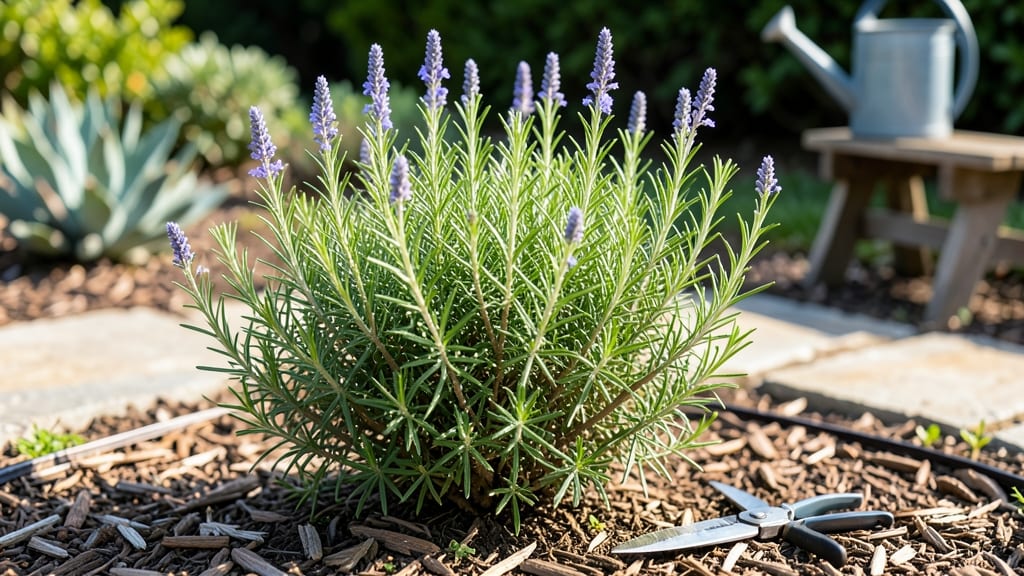
Rosemary can grow anywhere from 1 to 6 feet tall, depending on the variety and how you care for it.
If you’re dreaming of a lush, fragrant rosemary hedge or a towering herb garden centerpiece, knowing how tall your rosemary can grow is essential—because some varieties reach waist height while others stay compact. The right choice depends on your space, climate, and pruning habits.
For example, the popular Tuscan Blue variety can soar up to 6 feet if left unchecked, while dwarf types like Arp stay under 2 feet. Without regular pruning, even compact varieties can stretch taller, losing that bushy, aromatic shape we all love.
Below, I’ll break down the height ranges by variety, share pruning tips to keep your rosemary at your ideal height, and help you pick the perfect type for your garden—whether you’re working with a tiny balcony or a sprawling yard.


Rosemary height by variety: from dwarf to towering
Rosemary is a versatile herb that can transform from a compact ground cover to a towering garden statement, depending on the variety you choose. If you're planning a herb garden layout or simply want to know which rosemary fits your space, understanding these height differences is key.
Some varieties stay under 2 feet tall, perfect for containers, while others reach 6 feet or more, ideal for hedges or privacy screens.
The height of your rosemary isn't just about the variety—pruning habits, climate conditions, and growing environment all play a role. For example, a Tuscan Blue rosemary in a sunny Mediterranean climate might grow twice as tall as the same plant in a cooler, shaded garden.
Let’s explore the most popular varieties and their mature heights to help you make the best choice for your garden.
If you're growing rosemary in containers or small spaces, varieties like Prostratus or Irene are perfect—they stay under 2 feet tall and thrive in pots. These types are also great for rock gardens or sloped areas where you want coverage without height.
Their spreading habit makes them ideal for filling gaps quickly.
For a classic herb garden look, Arp or Blue Spires are excellent choices. They reach 2–4 feet tall and grow in a bushy, upright form, making them perfect for hedges or as a background plant.
With regular pruning, you can shape them into neat, manicured borders that add structure to your landscape.
The tallest rosemary varieties, like Tuscan Blue and Hill Hardy, can reach 5–6 feet or more. These are ideal for privacy screens, windbreaks, or as a focal point in larger gardens.
In cooler climates, Hill Hardy is particularly hardy and can handle USDA Zone 5 temperatures, making it a great choice for northern gardeners.
Pruning plays a huge role in controlling rosemary height. If you want to keep a tall variety compact, prune it back by one-third in early spring. For bushier growth, trim the tips of branches regularly to encourage new shoots.
Avoid heavy pruning in late summer, as this can stunt new growth before winter.
Another factor to consider is your climate zone. Rosemary grows best in USDA Zones 7–10, where it thrives in full sun and well-draining soil. In cooler zones, like Zone 6, rosemary may grow more slowly and stay shorter unless you choose a
How to control rosemary height: pruning tips for bushy growth
Keeping your rosemary at the perfect height isn’t just about aesthetics—it’s about encouraging healthy, bushy growth that produces more fragrant leaves. Without proper pruning, rosemary can become leggy and woody, losing its vibrant appearance. The key is timing, technique, and understanding your plant’s natural growth habits.
Whether you want a compact hedge or a tall statement plant, these tips will help you shape your rosemary like a pro.
Start by identifying your rosemary’s current growth stage. Young plants need gentle shaping, while mature rosemary benefits from more aggressive pruning. The best time to prune is in early spring or right after flowering, when the plant is actively growing.
Avoid heavy pruning in late summer or fall, as this can stress the plant before winter dormancy. Always use clean, sharp pruners to make precise cuts just above a leaf node—this encourages new branches to form.
⚠️ callout warning
Rosemary is resilient, but cutting too much at once can stunt growth or even kill the plant. Never remove more than 1/3 of the plant’s height in a single session. For example, if your rosemary is 4 feet tall, limit pruning to 12 inches per cut. Over-pruning weakens the plant’s root system and reduces its ability to recover.
🌿 Pro Tip: If your rosemary looks bare after pruning, it’s a sign you went too far. Step back and assess before making more cuts.
For bushier growth, focus on pinching back the tips of new shoots in early summer. This technique stimulates branching and prevents the plant from growing too tall too quickly. If your rosemary is already leggy, prune the longest stems first to restore balance.
Avoid cutting into old, woody stems—these won’t regrow. Instead, target the green, flexible growth near the top of the plant. This method works especially well for Tuscan Blue and Arp varieties, which tend to grow upright.
Seasonal care plays a huge role in controlling height. In spring and summer, prune every 4-6 weeks to maintain shape and encourage new growth. In fall and winter, reduce pruning to minimal maintenance—just remove any dead or damaged branches.
Avoid heavy pruning in winter, as rosemary is semi-dormant and needs time to recover. If you live in a cooler climate (USDA Zone 7 or below), prune lightly in late winter to remove frost-damaged tips before new growth begins.
One of the biggest mistakes gardeners make is pruning at the wrong time. Cutting back rosemary in late summer can leave it vulnerable to cold snaps, while pruning in deep winter removes the plant’s protective foliage.
Another common error is using dull tools, which crush stems and invite disease. Always sterilize your pruners with rubbing alcohol between cuts to prevent the spread of pathogens. If you notice yellowing leaves or stunted growth after pruning, it’s a sign you’ve overdone it or the plant is stressed.
To keep your rosemary thriving, combine pruning with proper watering and sunlight. Rosemary thrives in full sun (6+ hours daily) and well-draining soil. Overwatering can lead to root rot, which weakens the plant and makes it harder to recover from pruning.
Water deeply but infrequently—about every 10-14 days in warm weather—and reduce watering in winter. With the right care, your rosemary will reward you with year-round fragrance and a perfect height for your garden or kitchen. ✂️