
Flowers
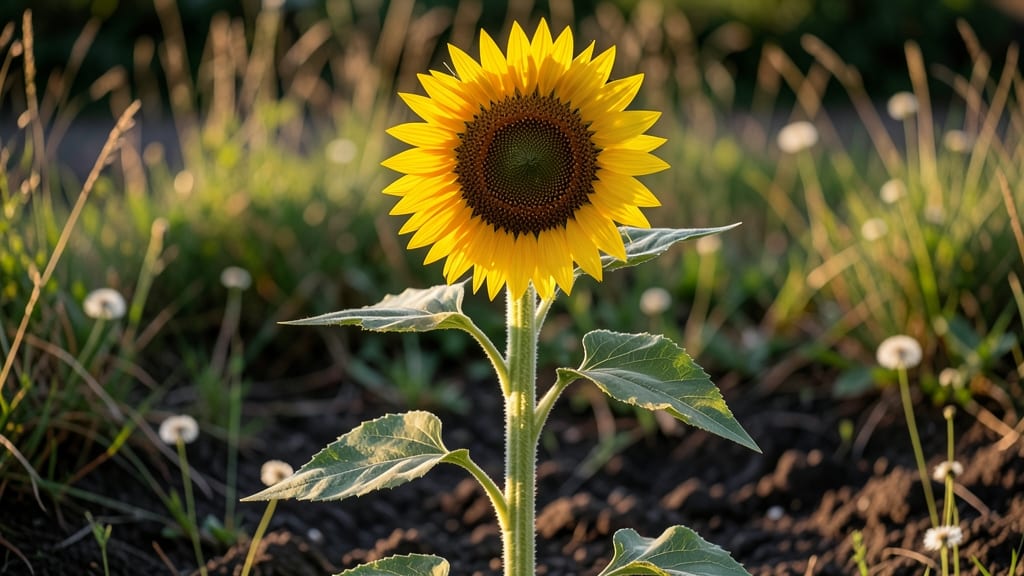
Sunflowers bloom for 1 to 3 weeks per flower head—but with the right care, their golden faces can keep shining for months.
Picture this: a single 🌻 sunflower standing tall in your garden, its petals unfurling in a daily show. But what happens when that first bloom fades?
The truth is, how long sunflowers stay in full glory depends on their variety, your growing zone (like 6a), and a few simple tricks most gardeners miss.
Annual sunflowers, the kind you plant in April-May, typically put on a 1-2 week show per head. Perennials, though rare, can stretch that to 8 weeks or more—if you know how to coax them.
The key? Deadheading, smart watering, and feeding them just enough to keep producing without burning out.
In this guide, you’ll discover exactly how long your sunflowers will bloom, which varieties last the longest, and the 5 easiest ways to extend their season. No guesswork—just proven tips to turn a 2-week display into a 3-month garden highlight.
Sunflower bloom duration by variety: from 1 week to 3 months
Sunflowers are famous for their vibrant, cheerful blooms, but their bloom duration varies wildly depending on the variety and growing conditions. Some sunflowers burst into flower for just 7–10 days, while others can keep you smiling for 8+ weeks.
The key lies in understanding whether you're growing annual or perennial varieties, and how their genetics influence flowering.
Most gardeners plant annual sunflowers, which produce a single, dramatic bloom that lasts 1–2 weeks before transitioning to seed production. However, perennial varieties (like Helianthus species) can rebloom multiple times throughout the season. Even within annuals, dwarf varieties and ornamental types often outperform their giant cousins in bloom longevity.
Why the difference? It comes down to energy allocation. Sunflowers prioritize seed production over extended flowering. Once a bloom opens, the plant shifts focus to developing seeds, causing the petals to wilt. Deadheading (removing spent blooms) can trick the plant into producing more flowers, but genetics still play the biggest role in how long each individual bloom lasts.
The comparison-table below breaks down bloom durations by popular sunflower types, so you can choose varieties that match your garden's timeline and aesthetic goals.
If you're dreaming of sunflowers that bloom for weeks, focus on ornamental annuals or perennial varieties. These types are bred to delay seed production, allowing their petals to stay vibrant longer.
For example, 'ProCut' sunflowers can produce multiple blooms per stem over 30+ days, making them ideal for cut flower arrangements that last beyond a single vase.
Environmental factors also impact bloom duration. Sunflowers grown in full sun (6+ hours daily) and well-draining soil tend to bloom longer than those struggling in shade or poor soil. Additionally, consistent watering prevents stress that can shorten bloom time.
I’ve found that mulching around the base helps retain moisture, which keeps my 'Autumn Beauty' sunflowers blooming for nearly 2 weeks instead of just 7 days.
For continuous color, consider planting a mix of early-, mid-, and late-season varieties. This staggered approach ensures your garden stays golden from early summer to frost. For instance, pairing 'Teddy Bear' (early) with '
5 Proven ways to extend sunflower blooms for weeks longer
Sunflowers may seem like one-hit wonders, but with the right care, you can turn their 1-2 week bloom into a month-long golden display. The secret lies in understanding their natural lifecycle and giving them the right support.
Most sunflowers bloom for just 7-14 days per flower head, but with these techniques, you can encourage continuous blooming for up to 3 months in ideal conditions.
Many gardeners mistakenly believe cutting sunflowers early will kill future blooms, but the opposite is true. By removing spent blooms and providing consistent care, you signal the plant to redirect energy into new growth. Let’s dive into the science-backed methods that work—no guesswork required.
One of the biggest myths about sunflowers is that cutting them early will stunt future growth. In reality, pruning the main head when it’s still a bud can actually double your blooms.
The plant perceives this as a signal to produce more side shoots, each of which will develop into a new flower. This technique works best on taller varieties like ‘Russian Giant’ or ‘Mammoth.’
For dwarf varieties like ‘Teddy Bear’ or ‘Sunspot,’ focus on consistent deadheading and light fertilization every 4-6 weeks. These smaller plants have less energy to spare, so over-fertilizing can backfire by encouraging leaf growth instead of blooms. Stick to a low-and-slow approach for best results.
Don’t forget that sunlight is non-negotiable. Sunflowers need 6-8 hours of direct sun daily to thrive. If your plants are in partial shade, their blooms will be smaller and shorter-lived. Move containers to sunnier spots or thin out nearby plants to improve airflow and light exposure.
With these techniques, you can enjoy sunflowers in bloom for up to 3 months—far longer than the typical 1-2 weeks. The key is consistency: deadhead regularly, water deeply, and avoid over-fertilizing. Your garden will thank you with a golden cascade that lasts all summer. 🌻