
Pruning
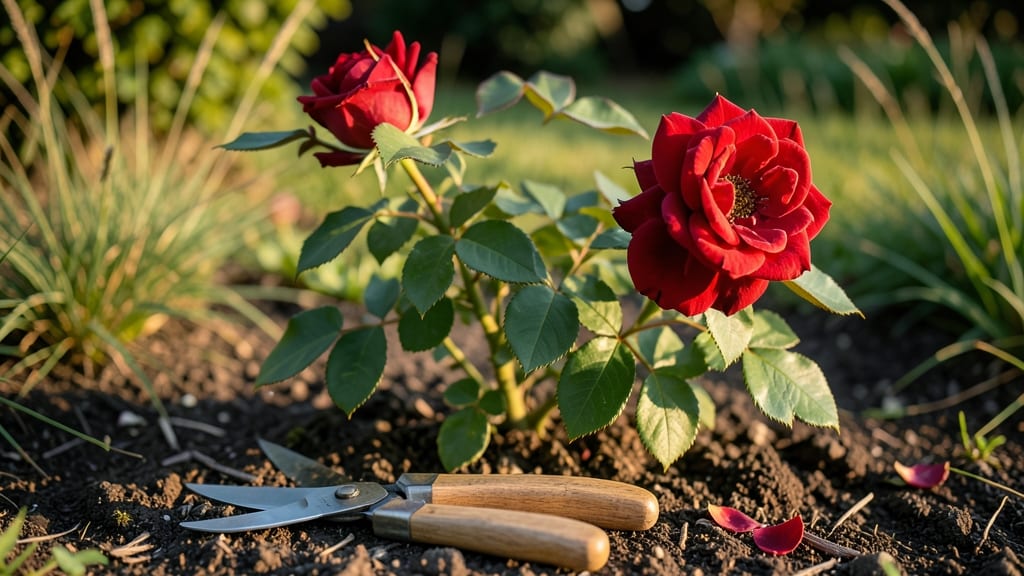
Wondering how far back do you prune rose bushes without sacrificing blooms? Here’s the exact method for healthy growth—after years of trial and error, I’ve found the sweet spot: cut just above an outward-facing bud, never more than 1/3 of the plant’s height. ✂️, even on old wood.
This keeps your bushes lush and productive while preventing disease. The right tools make all the difference: sharp bypass pruners for clean cuts, hand pruners for smaller stems, and a sanitizer to avoid spreading bacteria.
I always prune in late winter or early spring when the plant is dormant but before new growth begins—this timing ensures energy goes to blooms, not recovery. You’ll see thicker canes, more buds, and fewer pests within weeks.
The key is patience: take your time, step back often to check the shape, and never cut into bare wood unless you’re rejuvenating an overgrown bush. Works for hybrid teas, floribundas, and shrub roses alike. Here’s how to avoid the three biggest mistakes most gardeners make—learned the hard way!
📚 In This Guide
- What you need
- Instructions
- Tips and common mistakes
- Wrapping up and next steps
What you need
- ● Bypass pruners: Sharp, high-quality pruners (e.g., Felco or Fiskars) for clean cuts. Size: 6-8 inches, ergonomic grip.
- ● Loppers: For thicker stems (½ inch or larger). Size: 18-24 inches, bypass or anvil type.
- ● Hand saw: For stubborn, woody branches. Type: Pruning saw with a curved blade.
- ● Disinfectant (70% isopropyl alcohol or bleach solution): 1 part bleach to 9 parts water to sterilize tools between cuts.
- ● Garden gloves: Heavy-duty, cut-resistant gloves (e.g., Mechanix or Filon) to protect your hands.
- ● Rake or broom: To clear debris after pruning.
- ○ Pruning sealant (optional but helpful): For large cuts to prevent disease (e.g., Tanglefoot Tree Wound Pruning Sealer).
- ● Knee pads: For comfort if you’re working on the ground.
- ● Pruning shears with a built-in ruler: To measure cut lengths easily.
- ● Sharpie or marker: For labeling canes if you’re training roses.
- ● Compost bin or bag: To collect pruned branches for mulch or disposal.
Step-by-Step instructions for pruning rose bushes
Here's the exact method I use every year to revive my roses while keeping them strong and blooming like crazy.
✂️ Step 1: Identify and Remove Dead or Diseased Wood
Start by scanning your rose bush for any branches that are brown, mushy, or hollow—these are dead or diseased and need to go. I grab my pruners and cut these stems all the way back to the main trunk or a healthy outward-facing bud. Never leave stubs, as they invite rot and pests. You'll know a branch is dead if it snaps easily when bent or feels mushy inside.
For black spot or powdery mildew, remove any infected leaves and stems immediately. I always disinfect my pruners with rubbing alcohol between cuts to prevent spreading disease. This first pass clears out about 20-30% of the bush, depending on how neglected it's been. Don't worry—you're not harming the plant, just making room for new growth.
✂️ Step 2: Prune for Shape and Airflow
Next, I step back and look at the overall shape. Roses need good airflow to stay healthy, so I remove any crossing branches or ones growing inward. Cut these back to a strong outward-facing bud, making the cut at a 45-degree angle just above the bud. This ensures water runs off the cut instead of pooling.
For hybrid teas and floribundas, I aim to create an open vase shape with the strongest canes forming the framework. I never cut more than ⅓ of the bush in one season—this keeps the plant from getting stressed. Watch for suckers (shoots growing from the base) and remove them immediately. These drain energy from your main plant.
✂️ Step 3: Cut Back for Seasonal Growth
Now for the tricky part—how far to cut back healthy stems. For spring-blooming roses (like Knock Outs), I make light cuts, removing only dead wood and shaping. For repeat-bloomers, I cut back last year's growth by about ⅓ to ½, always cutting above an outward-facing bud. This encourages strong new growth from the base.
Here's the thing—if your rose bush looks like a tangle of sticks, don't panic. Cut back aggressively this year, and by next spring, you'll have a bush full of fresh, vigorous canes. I always mark my cuts with a dab of pruning sealant (optional) to prevent moisture loss and disease entry. Water deeply after pruning to help the plant recover.
🌿 Step 4: Clean Up and Monitor Recovery
After pruning, I gather all the clippings and dispose of them in the trash—not the compost! Diseased wood can spread pathogens. Rake up fallen leaves and debris from around the base, too. This reduces hiding spots for pests and fungal spores.
In the weeks after pruning, watch for new buds swelling along the canes. This is your sign the plant is responding well. I fertilize lightly with a balanced rose food about 4-6 weeks after pruning to support new growth. Avoid heavy feeding right after cutting, as fresh cuts are vulnerable to rot.
Tips & tricks for perfect rose pruning
Here's what nobody tells you about transforming your roses from tangled mess to thriving beauty.
The Bud Angle Secret: When cutting back in Step 2, always look for outward-facing buds—they're the growth engines of your rose. Cutting at a 45-degree angle just above these buds creates perfect water runoff and prevents disease entry. I use my thumb to feel for the bud's position before making the cut. This simple technique ensures your cuts always promote healthy growth rather than inviting rot.
Seasonal Growth Hack: For repeat-blooming roses in Step 3, I never cut back more than half the bush—this keeps the plant from getting stressed. The key is patience: aggressive pruning now means lush blooms later. I mark my cuts with a dab of pruning sealant (optional) to protect fresh wounds, especially in humid climates where disease spreads quickly. This small step prevents what would otherwise become a costly cleanup next season.
Cleanup is Critical: After pruning in Step 4, I always dispose of clippings in the trash—not compost! Diseased wood can spread pathogens to your entire garden. I also rake up fallen leaves and debris from the base, which reduces hiding spots for pests. This might seem tedious, but it's the difference between a rose bush that thrives and one that struggles with constant reinfection.
Pro Tips for How Far Back Do You Prune Rose Bushes
- Here's what nobody tells you about transforming your roses from tangled mess to thriving beauty.
- The Bud Angle Secret: When cutting back in Step 2, always look for outward-facing buds—they're the growth engines of your rose.
- Seasonal Growth Hack: For repeat-blooming roses in Step 3, I never cut back more than half the bush—this keeps the plant from getting stressed.
Frequently asked questions
Got questions about pruning roses? You’re not alone! Here are some of the most common concerns—and their answers—to help you prune like a pro.
How far back should I prune a rose bush if it’s completely dead?
If a cane (stem) is fully black, mushy, or hollow, cut it back to the ground level—it won’t regrow. For partially dead canes, trim to the last healthy bud or green wood. Avoid leaving stubs; always cut at a 45-degree angle just above a bud. Pro tip: Sterilize your shears between cuts to prevent disease spread!
Can I prune roses in late fall or early spring?
Timing matters! Spring (March–April) is ideal for most roses—before new growth starts. Late fall pruning (after leaf drop) is riskier unless you live in a mild climate (Zone 7+). If you must prune in winter, wait until after the ground freezes to avoid encouraging tender new growth that could die in cold snaps.
What if I accidentally prune too much—will my rose bush die?
Don’t panic! Roses are tougher than they look. If you’ve trimmed more than 1/3 of the bush, it may take longer to recover, but it won’t die. Focus on healthy canes with 3–5 buds each and fertilize lightly in spring. Over-pruned bushes often bounce back with vigorous new growth by summer.
Do I need to prune roses every year?
Yes! Annual pruning keeps roses healthy, blooming, and disease-free. The exact timing varies by type:
- Hybrid teas & floribundas: Prune hard in spring (down to 12–18 inches).
- Climbing roses: Light pruning in late winter (remove dead wood + shape).
- Shrub roses: Moderate pruning (1/3 of old wood) in early spring.
What if it’s too hot or cold to prune?
Extreme weather can stress roses. Avoid pruning when temps are below 40°F or above 85°F. If you must prune in heat, do it early morning or late evening and water thoroughly afterward. In cold snaps, wait until daytime temps stay above freezing for at least 3 days. Pro tip: Prune hydrangeas and other shrubs in similar conditions!
Wrapping up and next steps
Pruning your rose bushes the right way—cutting back by one-third to one-half—is the secret to lush blooms and strong stems all season.
Remember, timing and technique matter just as much as how far you trim! 🌹 With the right tools and a little patience, you’ll transform your roses into thriving, picture-perfect plants.
Ready to give your roses the care they deserve? Grab your pruners, mark your calendar for early spring, and start pruning with confidence! Your future blooms will thank you.