
Container Gardens
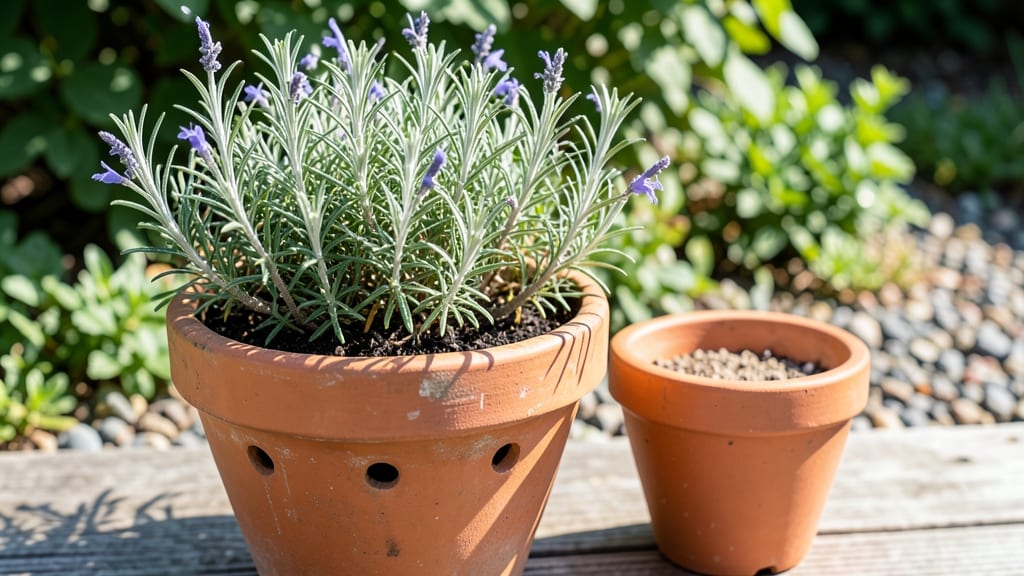
A rosemary plant thrives in a pot that matches its mature size — at least 12 inches deep and 10-12 inches wide for standard varieties, with dwarf types needing just 6-8 inches of space.
Struggling to keep your rosemary thriving in a cramped space? The right pot size makes all the difference—too small stunts growth, while oversized containers waste space and risk soggy roots.
Rosemary’s deep root system and upright growth mean shallow pots or narrow containers will leave it root-bound and stressed. I’ve seen it happen too many times: a healthy plant one season, then leggy and sparse the next because the pot was too tight.
Below, I’ll break down the ideal pot dimensions for your rosemary type, how to choose between terracotta and plastic, and when to repot for long-term health—plus the one mistake even experienced gardeners make.
Ideal rosemary pot sizes for healthy growth and space efficiency
Rosemary thrives when its roots have room to spread without feeling cramped, but oversized pots can lead to moisture retention issues. The key is matching your rosemary variety to the right container dimensions.
Dwarf varieties need minimal space, while trailing types require wider, shallower pots to accommodate their sprawling growth habit.
For upright rosemary, the standard variety, a pot with a 12-inch diameter and 12-inch depth provides the perfect balance. This size supports a mature plant's root system while allowing for proper drainage—critical for preventing root rot.
Smaller pots may stunt growth, while larger ones risk waterlogging unless amended with gritty soil.
Trailing rosemary varieties like 'Prostratus' need wider containers to showcase their cascading habit. Aim for a 16-inch diameter pot with only 8-10 inches of depth. The extra width gives roots room to spread horizontally, while shallower depth prevents excess moisture buildup in the roots.
Dwarf rosemary, such as 'Blue Spires', stays compact and does well in 8-inch diameter pots with 10-inch depth. These smaller containers are ideal for windowsills or patios where space is limited. Just ensure the pot has drainage holes to prevent soggy soil, which dwarfs are particularly sensitive to.
When choosing pot sizes, consider whether you're growing rosemary indoors or outdoors. Indoor plants benefit from slightly smaller pots to prevent overwatering, while outdoor containers can be larger to accommodate seasonal growth spurts.
For example, a 14-inch pot works well outdoors for upright rosemary, giving roots extra room during summer's active growth phase.
For multiple rosemary plants in one container, space them at least 6 inches apart to avoid competition. A 24-inch diameter pot can comfortably hold 3-4 dwarf rosemary plants or 2 trailing varieties.
Just ensure the soil mix is well-draining—rosemary hates soggy feet. Mix in perlite or coarse sand to improve aeration and prevent waterlogging.
Repotting becomes necessary when roots start circling the bottom of the pot or when you notice stunted growth. Upgrade to a container that's only 2-3 inches larger in diameter to avoid shocking the plant.
Spring is the best time to repot, as rosemary enters its active growth phase and can recover quickly from the transition.
Pro tip: Use terracotta pots for better moisture control—they wick away excess water, while plastic pots retain moisture longer. For trailing varieties, add a cascade tray to catch fallen needles and prevent mess. And always place pots in full sun (6+ hours daily) to maximize growth and flavor.
Remember, rosemary's root system is shallow but extensive. A pot that's too deep will collect excess water, while one that's too shallow will restrict growth.
By matching your rosemary's type and growth habits to the right container, you'll create an ideal environment for thriving plants—whether on your patio, balcony, or kitchen windowsill.
How to choose the right pot material and drainage for rosemary
Choosing the right pot material and drainage for your rosemary isn't just about aesthetics—it's about giving your plant the perfect environment to thrive. Rosemary hates soggy roots, so proper drainage is non-negotiable.
Plus, the material affects moisture retention, temperature regulation, and even mobility. Let's break down your options to help you make the best choice for your space and climate.
First, consider your rosemary's mature size. Upright varieties like 'Arp' or 'Hill Hardy' need deeper containers (at least 12 inches deep), while trailing types like 'Prostratus' can do well in wider, shallower pots.
Dwarf varieties? They're happy in 8-inch pots. The key is balancing root space with airflow—rosemary roots need room to breathe but not too much empty soil.
🌿 Rosemary Pot Material Comparison
Terracotta Pots
- Pros: Breathable, natural drainage, regulates temperature
- Cons: Heavy, breaks easily, dries out fast in hot climates
Best for: Outdoor rosemary in mild climates 🌡️
Plastic Pots
- Pros: Lightweight, retains moisture, budget-friendly
- Cons: Poor drainage unless modified, can trap heat
Best for: Indoor or hot climates with saucers ☀️
Fabric Pots
- Pros: Excellent aeration, prevents root circling, lightweight
- Cons: Requires frequent watering, not frost-proof
Best for: Outdoor rosemary in warm zones 🌿
For drainage, every pot—regardless of material—needs drainage holes. If your container lacks them, drill holes in the bottom and add a crock pot (broken pottery shards) to prevent soil from washing out. For plastic pots, add a saucer underneath to catch excess water and improve mobility.
Pro tip: Elevate pots on feet or casters to enhance airflow around the base and make moving them easier for pruning or harvesting.
If you're growing rosemary in fabric pots, embrace their thirsty nature—these pots dry out quickly, so check soil moisture daily during hot weather. For terracotta, group pots together to create a microclimate that retains humidity.
And remember, rosemary's drought tolerance means it's better to underwater slightly than drown it. A well-draining potting mix with perlite or sand is your best friend here.
Don't overlook the power of container modifications. Add self-watering reservoirs to plastic pots for convenience, or line terracotta pots with plastic bags to reduce evaporation in dry climates.
For outdoor mobility, attach wheel casters to heavy terracotta pots—this lets you rotate plants for even sun exposure without straining your back. The right setup turns container gardening from a chore into a joyful, low-maintenance experience.
Lastly, think about seasonal changes. In winter, move pots to sheltered spots and use insulating materials like burlap wraps to protect roots from freezing. For urban balconies, stackable pots save space while keeping drainage optimal.
Whether you're a balcony gardener or have a sunroom, the right pot material and drainage setup ensures your rosemary stays healthy, fragrant, and productive year-round. 🌱