
Shrubs
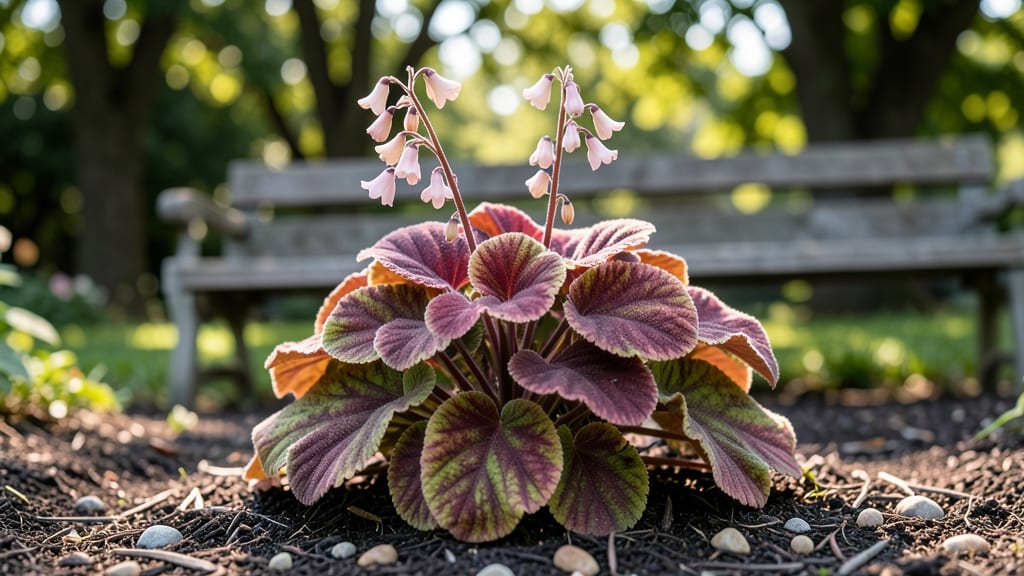
Three shades of pink that steal the show—Heuchera 'Wild Rose Coral Bells' turns foliage into the star of your garden. 🌿 This isn't just another shade plant; it's a bold, velvety trio of rose, coral, and burgundy that keeps your garden looking fresh even when most plants have gone dormant.
The magic happens in how it layers color: the softest blush-pink leaves emerge in spring, deepen to coral in summer, and fade to burgundy as temperatures drop. It thrives in partial shade where other plants struggle, making it perfect for under trees or along north-facing walls.
Pair it with silver foliage plants like lamb's ear or dusty miller to make the colors pop even more.
What you end up with is a year-round conversation piece—textured foliage that catches the light in every season, from the first flush of spring growth to the frosty hues of winter. The plants stay compact enough for borders but dramatic enough to anchor containers or mixed beds.
Whether you're going for modern minimalism or cottage charm, this heuchera delivers low-maintenance drama with minimal effort. The best part? It's deer-resistant and drought-tolerant once established, so you get beauty without the fuss.
📚 In This Guide
- What you need
- Instructions
- Tips and common mistakes
- Wrapping up and next steps
What you need
- ● Heuchera 'Wild Rose Coral Bells' plants: 3–5 mature plants (or 1–2 if starting from young nursery stock)
- ● Well-draining potting mix: For containers: 1–2 gallons per plant (use a blend of peat moss, perlite, and compost)
- ● For in-ground planting: Amend native soil with compost (aim for a 50/50 mix)
- ● Organic mulch: 2–3 inches of shredded bark, pine needles, or cocoa hulls (to retain moisture and protect roots)
- ● Slow-release fertilizer: Balanced 10-10-10 or organic options like fish emulsion (follow package rates)
- ● Gloves & kneeling pad: For comfort during planting
- ● Garden trowel or hand shovel: For digging holes (6" wide/deep for containers, 12" for in-ground)
- ● Watering can or hose with gentle spray nozzle: Heuchera hates soggy roots!
- ○ Pruners (sterilized): For trimming dead foliage or shaping (optional but helpful)
- ● Sunlight assessment: Confirm your spot gets partial shade (4–6 hours of dappled light)
- ○ Drip irrigation or soaker hose (optional): For consistent moisture in hot climates
- ● 🌡️ Climate note: In zones 3–9, these beauties thrive year-round! Add extra mulch in winter for cold protection.
- ● ✨ Container hack: Mix in hydrogel crystals (1 tbsp per gallon) to reduce watering frequency.
- ● 🎯 Color boost: Pair with silver foliage (e.g., Heuchera 'Palace Purple') for a show-stopping contrast!
Step-by-step guide to planting and caring for Heuchera Wild Rose Coral Bells
Here's how to create a stunning trio of these vibrant foliage plants that'll keep your garden lively year-round.
🪴 Step 1: Choose the Right Location for Your Coral Bells Trio
Heuchera thrives in partial shade to full shade—think 4-6 hours of morning sun with afternoon shade protection. I always pick a spot with dappled light where leaves won't scorch in summer heat. The Wild Rose variety has delicate pink-tinged foliage that fades in harsh sun, so avoid south-facing windows or open areas.
Test your spot by observing how sunlight moves across the area throughout the day. Look for moist, well-draining soil—these plants hate soggy roots. If your soil drains poorly, amend it with 2-3 inches of compost before planting. I like to dig a hole twice as wide as the root ball to encourage outward growth, which gives those stunning foliage colors more room to spread.
🌱 Step 2: Plant Your Coral Bells with Proper Spacing
Dig holes 12-18 inches apart—this spacing lets each plant develop its full, lush form without crowding. The trio will create a natural gradient of color as they mature. Gently remove the plant from its container and loosen any circling roots with your fingers. Heuchera has shallow roots, so don't dig deeper than 6 inches—just enough to accommodate the root ball.
Place the plant in the hole so the top of the root ball sits level with the surrounding soil. Press the soil firmly around the roots to eliminate air pockets, then water deeply to settle everything. I always add a 1-inch layer of mulch (like shredded bark) around the base to retain moisture and prevent weeds. Keep the mulch 2 inches away from the stem to avoid rot.
☀️ Step 3: Water and Feed for Vibrant Foliage Growth
Water your Coral Bells deeply once a week—more in extreme heat, less in winter. You'll know it's time when the top inch of soil feels dry. Overwatering causes yellowing leaves, while underwatering makes them crispy at the edges. I use a soaker hose to deliver water slowly at the base, avoiding the foliage to prevent fungal issues.
Feed with a balanced, slow-release fertilizer (10-10-10) in early spring and again in midsummer. Heuchera responds beautifully to gentle care—no need for heavy-handed feeding. If you notice leaves losing their vibrant color, a foliar spray of liquid iron can restore that rich hue. I also deadhead spent flowers in late spring to redirect energy into foliage growth.
✂️ Step 4: Prune and Maintain for Year-Round Drama
Cut back any yellowed or damaged leaves in early spring before new growth emerges. This keeps your trio looking tidy and encourages fresh foliage. I also trim back any leggy stems that grow too tall—Heuchera naturally stays compact, but occasional pruning prevents flopping. Use clean, sharp pruners and make cuts just above a leaf node to promote bushier growth.
In late fall, remove any remaining flower stalks and rake away debris to prevent overwintering pests. Heuchera is hardy in zones 4-9, so it'll return year after year with the same bold colors. If you notice leaves turning brown in winter, they're just dormant—cover with 2-3 inches of mulch for extra protection in colder climates.
🌿 Step 5: Combine with Complementary Plants for Maximum Impact
Pair your Coral Bells trio with ferns, hostas, or astilbes to create a layered, textured display. The Wild Rose variety's pink hues contrast beautifully with deep purple hostas or silver-blue ferns. I like to plant them in odd-numbered groupings—three plants create natural movement in the garden.
Add a low-growing ground cover like creeping thyme or ajuga to fill gaps and prevent weeds. This keeps your trio the star while adding depth to the scene. With proper care, your Coral Bells will thrive for years, offering seasonal interest from spring blooms to winter foliage. The key is patience—let them establish for a year before expecting their full dramatic effect.
Tips & tricks for perfect Heuchera Wild Rose Coral Bells
Here's what nobody tells you about making these stunning plants truly shine in your garden.
Lighting Strategy: The 4-6 hours of morning sun is non-negotiable for the Wild Rose variety—this is what brings out those delicate pink hues. I've learned the hard way that afternoon sun can bleach out the color, so if you're in a hot climate, consider a sheer curtain or lattice structure to filter that midday intensity. Think of it like giving your plants a sunblock treatment while still letting them soak up those morning rays.
Root Ball Technique: When planting, I can't stress enough how important it is to loosen those circling roots before placing them in the hole. I use my fingers to gently tease them apart—this prevents root binding that can stunt growth. Also, that 12-18 inch spacing between plants might seem generous, but trust me, it's worth it. The extra room lets each plant develop its full, lush form without competing for nutrients. The result? More vibrant foliage and fewer crowded, leggy plants.
Mulch Mastery: That 1-inch layer of mulch isn't just for looks—it's a game-changer for moisture retention and temperature regulation. I always use shredded bark because it breaks down slowly and improves soil structure over time. The key is keeping it 2 inches away from the stems to prevent rot. Pro tip: Refresh your mulch layer every spring to maintain its insulating properties and keep those roots happy year-round.
Foliage Revival: If your Wild Rose leaves start looking dull, don't reach for heavy fertilizers first. Instead, try a foliar spray of liquid iron—it works wonders for restoring that rich, vibrant color. I've used this trick after winter dormancy and seen dramatic improvements in just a few days. It's like giving your plants a quick vitamin boost without overwhelming their system.
Pro Tips for Heuchera Wild Rose Coral Bells
- Here's what nobody tells you about making these stunning plants truly shine in your garden.
- Lighting Strategy: The 4-6 hours of morning sun is non-negotiable for the Wild Rose variety—this is what brings out those delicate pink hues.
- Root Ball Technique: When planting, I can't stress enough how important it is to loosen those circling roots before placing them in the hole.
Frequently asked questions
What’s the best sunlight for Heuchera 'Wild Rose Coral Bells'?
Heuchera 'Wild Rose' thrives in partial shade (3–6 hours of sunlight daily), especially in hotter climates. Too much direct sun can scorch its delicate foliage, while too little may dull its vibrant colors. A spot with dappled light (like under trees) is ideal!
How fast does this Heuchera grow, and when will I see blooms?
This variety grows moderately fast—about 6–12 inches per year. You’ll see lush foliage within a season, but blooms (tiny bell-shaped flowers) are a bonus and may appear in late spring to early summer. Focus on the stunning leaves—they’re the star!
How often should I water Heuchera 'Wild Rose Coral Bells'?
Water deeply but infrequently—about once a week (or more in extreme heat/drought). Overwatering can cause root rot, so ensure well-draining soil. Mulch helps retain moisture and protect roots. Pro tip: Let the top inch of soil dry out between waterings!
Can I grow Heuchera 'Wild Rose' in containers, and what’s the best soil mix?
Containers work great—just use a well-draining potting mix with perlite or sand. A 50/50 blend of potting soil and organic matter (like compost) keeps roots happy. Choose pots with drainage holes and size up as it grows!
What pests or diseases should I watch for with this Heuchera?
Common issues include slugs, snails, and spider mites. Slugs love the tender leaves—use beer traps or diatomaceous earth if spotted. Spider mites thrive in dry conditions; mist leaves or use insecticidal soap. Good news: This variety is generally disease-resistant!
Are there similar Heuchera varieties I can mix in my garden?
Yes! Try Heuchera 'Palace Purple' (deep burgundy), 'Lime Rickey' (bright lime green), or 'Berry Smoothie' (berry-red) for a colorful foliage palette. Pair them with ferns, hostas, or ornamental grasses for a stunning contrast.
Wrapping up and next steps
Transforming your garden with Heuchera 'Wild Rose Coral Bells' is a game-changer—this vibrant trio delivers year-round drama with minimal fuss! 🌿 From sun-kissed foliage to delicate blooms, these plants are the perfect blend of beauty and resilience.
Whether you're a seasoned gardener or just starting out, adding them to your landscape will bring color, texture, and personality that keeps your space fresh and inviting.
Ready to elevate your garden? Start small—plant a trio in a pot or border and watch your outdoor space bloom with confidence! 🌸