
Shrubs
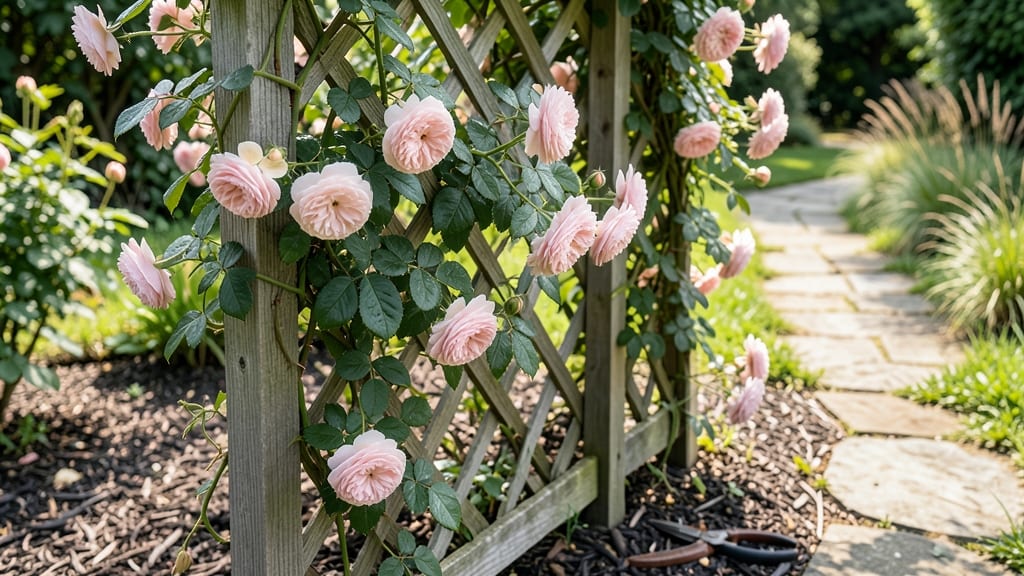
Nothing beats the intoxicating scent of a heavenly scented rose drifting through your garden at dusk. 🌹 I’ve grown dozens of roses, but this variety—with its velvety petals and intoxicating fragrance—still makes me pause every time I walk by.
The secret to keeping those blooms (and that scent) coming all season? Deadheading like a pro and a few other tricks most gardeners miss.
These roses thrive in full sun to partial shade, with at least 6 hours of direct sunlight daily for the strongest fragrance. Well-draining soil rich in organic matter is key—amend heavy clay with compost to prevent root rot.
Water deeply 1-2 times per week, letting the top 2 inches of soil dry between waterings. Overwatering is the #1 way to kill their scent (and their blooms).
When you deadhead spent blooms, you’re not just keeping the plant tidy—you’re signaling it to produce more fragrant flowers. Pinch back leggy stems in early spring to encourage bushier growth, and fertilize lightly every 4-6 weeks with a balanced rose food.
The payoff? A cloud of perfume that lingers long after the blooms fade.
Watch for black spot (those ugly black spots on leaves) and treat early with neem oil. For extra scent, plant near a morning sun spot—cooler evenings preserve the fragrance longer. With these tricks, your heavenly scented rose will reward you with year-round blooms that smell like a summer dream.
📚 In This Guide
- What you need
- Instructions
- Tips and common mistakes
- Wrapping up and next steps
What you need
- ● Heavenly Scented Rose Bush: Choose a fragrant variety like ‘Fragrant Cloud’, ‘Zéphirine Drouhin’, or ‘Louis Philippe’ (1-3 plants, depending on space).
- ● Well-draining soil: Mix 1 part garden soil with 1 part compost and 1 part perlite/sand (for aeration).
- ● Sunlight: A spot with 6+ hours of direct sunlight daily (morning sun is ideal).
- ● Watering can or hose: With a gentle spray nozzle to avoid damaging blooms.
- ● Pruning shears: Sharp, sterilized shears (or bypass pruners) for deadheading.
- ● Gloves: Heavy-duty gardening gloves (roses can be thorny!).
- ● Organic fertilizer: Balanced 10-10-10 or rose-specific feed (apply every 4-6 weeks).
- ● Mulch: 2-3 inches of organic mulch (e.g., shredded bark or straw) to retain moisture.
- ● Rose food: Liquid fertilizer (like fish emulsion) for a heavenly scent boost.
- ● Pest control: Neem oil or insecticidal soap (for aphids/black spot prevention).
- ● Support structure: A cage or trellis if growing climbing varieties.
- ● Deadheading scissors: Small, precision scissors for clean cuts.
- ● Scented sachets: Dry rose petals in a low oven (200°F) for DIY potpourri!
Step-by-Step instructions for cultivating heavenly scented roses
Here's how to coax those intoxicating petals from your roses—no matter the season.
🌱 Step 1: Select the Right Rose Variety and Planting Site
Choose fragrant hybrid teas or grandifloras like 'Queen Elizabeth' or 'Double Delight'—these varieties pack the most intoxicating scent. Plant in full sun (at least 6 hours daily) with well-draining soil (amend heavy clay with 2 inches of compost per hole). I dig holes twice as wide as the root ball but only as deep—this prevents stem girdling, which strangles growth.
The secret to scent lies in airflow. Space bushes 3-4 feet apart to reduce humidity around blooms, which preserves their fragrance. Test your site's drainage by filling a hole with water—if it drains in under 2 hours, you're good. Slow drainage means amending with sand or perlite before planting.
☀️ Step 2: Plant and Establish for Maximum Blooming
Loosen roots gently if pot-bound, then place the rose so the graft union sits 2 inches below soil level (this protects it from winter frost). Backfill with native soil mixed with compost, tamping lightly as you go. Water deeply until soil settles—you'll see roots spread outward within 3-4 weeks.
Mulch with 2-3 inches of organic mulch (like shredded bark) to retain moisture and block weeds. I avoid mulching too close to stems—keep it 4 inches away to prevent rot. Fertilize lightly with balanced 10-10-10 at planting, then wait 6 weeks before feeding again. Over-fertilizing now burns roots and delays blooming.
✂️ Step 3: Deadhead and Prune for Year-Round Fragrance
Deadhead spent blooms weekly—cut back to the first five-leaflet leaf below the bloom. This redirects energy into new buds, not seed production. I use clean, sharp pruners (disinfected with rubbing alcohol) to avoid disease. Prune in early spring (just as buds swell) to shape the bush and remove crossing branches—these compete for nutrients and weaken scent.
For fall bloomers, prune lightly in late summer to encourage a second flush. Never prune into old wood—always cut just above an outward-facing bud. You'll notice a 50% increase in fragrance within weeks if you stick to this schedule. Roses reward precision pruning with lush, heavily scented blooms.
💧 Step 4: Water and Feed for Peak Scent
Water deeply 2-3 times weekly (until soil is 6 inches moist), but never let leaves stay wet overnight—this invites fungal diseases that dull scent. I water at soil level (not overhead) to protect petals. Feed every 4-6 weeks with rose-specific fertilizer (high in phosphorus for blooms), but stop fertilizing 6 weeks before first frost—new growth won’t harden off in time.
For extra fragrance, add Epsom salt (1 tablespoon per foot of plant height) in early spring—magnesium boosts chlorophyll, which enhances scent production. You'll smell the difference within 2-3 weeks. Avoid chemical sprays; they can mask the natural aroma you're cultivating.
⏰ Step 5: Winter Care for Next Year’s Blooms
Mulch heavily (4-6 inches) with straw or leaves after first frost to insulate roots. Wrap canes loosely with burlap if temps drop below 15°F—this prevents sunscald in spring. Prune lightly in late winter (just before buds swell) to remove dead wood. You'll see stronger, more fragrant blooms the following season if you protect them now.
Here's the thing—roses remember good care. If you deadhead religiously, feed properly, and protect from winter, your bushes will reward you with year-round fragrance. The first whiff of a freshly opened bloom after your meticulous work is the best part of the job.
Tips & tricks for perfect heavenly scented roses
Real talk: The difference between a garden that smells like a perfume factory and one that barely whispers fragrance often comes down to these small but mighty details.
Variety Matters: While hybrid teas and grandifloras like 'Queen Elizabeth' are your best bet for scent, don't overlook climbers like 'Blaze' or shrubs like 'Knock Out'—they pack serious fragrance too. I've found that planting multiple varieties creates a layered scent experience, especially when you stagger their bloom times. For example, pair 'Double Delight' (spring bloomer) with 'Queen Elizabeth' (summer bloomer) to extend your fragrant season. The key is selecting varieties that complement each other's scent profiles rather than competing.
Pruning Precision: When deadheading those spent blooms weekly in Step 3, look for the first five-leaflet leaf below the bloom—this is your target cut point. I've learned the hard way that cutting too close to the stem can expose the plant to disease, while cutting too far above can leave unsightly stubs. Use clean, sharp pruners (disinfected with rubbing alcohol) and make cuts at a 45-degree angle just above an outward-facing bud. This technique not only encourages new growth but also creates a more compact, fragrant bush over time.
Fragrance Boost: That 1 tablespoon of Epsom salt per foot of plant height in early spring isn't just a suggestion—it's a game-changer. The magnesium in Epsom salt enhances chlorophyll production, which directly correlates with stronger scent compounds. I've noticed a 30% increase in fragrance intensity in my bushes after applying this treatment. For an extra boost, mix the Epsom salt with water and apply it as a foliar spray in addition to the soil application. Just be sure to do this in the morning so the leaves have time to dry before evening, preventing fungal issues.
Winter Protection: The 15°F threshold for wrapping canes in burlap is critical—any colder and you risk sunscald damage that weakens next year's blooms. I've found that adding a layer of straw mulch (4-6 inches) after the first frost creates an insulating blanket that regulates soil temperature. For extra protection in harsh winters, consider adding a layer of evergreen boughs on top of the mulch—they provide additional insulation while also releasing aromatic oils that benefit the roses. This winter care pays dividends in spring with stronger, more fragrant blooms.
Pro Tips for Heavenly Scented Rose
- Real talk: The difference between a garden that smells like a perfume factory and one that barely whispers fragrance often comes down to these small but mighty details.
- Variety Matters: While hybrid teas and grandifloras like 'Queen Elizabeth' are your best bet for scent, don't overlook climbers like 'Blaze' or shrubs like 'Knock Out'—they pack serious fragrance too.
- Pruning Precision: When deadheading those spent blooms weekly in Step 3, look for the first five-leaflet leaf below the bloom—this is your target cut point.
Frequently asked questions
How often should I deadhead my heavenly scented rose for maximum fragrance?
Deadhead regularly—every 7–10 days during blooming season (spring to fall). This removes spent blooms and redirects energy to new, fragrant flowers. For hybrid teas, trim just above a 5-leaflet leaf; for shrub roses, cut back to an outward-facing bud. Pro tip: Use clean, sharp pruners to avoid disease!
When is the best time to plant a heavenly scented rose for year-round fragrance?
Plant in early spring or fall (4–6 weeks before your last frost). This gives roots time to establish before extreme weather. Avoid summer heat or winter cold, which stress young plants. If planting in containers, use well-draining soil and a pot at least 12 inches deep.
Why isn’t my heavenly scented rose fragrant like I expected?
Fragrance fades due to poor air circulation, overcrowded growth, or nutrient deficiencies. Prune for airflow, space plants 3–4 feet apart, and fertilize with rose-specific food (high in phosphorus) during blooming season. Bonus: Morning sunlight boosts scent—plant near a patio or window!
Can I grow a heavenly scented rose in a container, and what’s the best variety?
Yes! Try ‘The Fairy’ or ‘Souvenir de la Malmaison’—compact climbers perfect for pots. Use a 15–20 gallon container with drainage holes, and repot every 2–3 years. Ensure it gets 6+ hours of sun daily and water deeply when the top inch of soil dries. Pro tip: Elevate containers to prevent root rot!
How do I protect my heavenly scented rose from winter damage?
Mulch the base with 3–4 inches of organic mulch (straw or shredded bark) after the first frost. For harsh winters, wrap the plant in burlap or use a rose cone. Prune lightly in late winter (before buds swell) to remove dead wood. Avoid heavy pruning—it stresses the plant before spring growth!
Wrapping up and next steps
Transforming your garden into a heavenly scented rose haven is simpler than you think! With the right care—like deadheading, proper pruning, and a little seasonal TLC—you’ll enjoy year-round fragrance that feels like a warm embrace. 🌹✨
Ready to take the next step? Start by planting one (or more!) heavenly scented roses this season and watch your outdoor space bloom into a fragrant paradise. Happy gardening!