
Shrubs
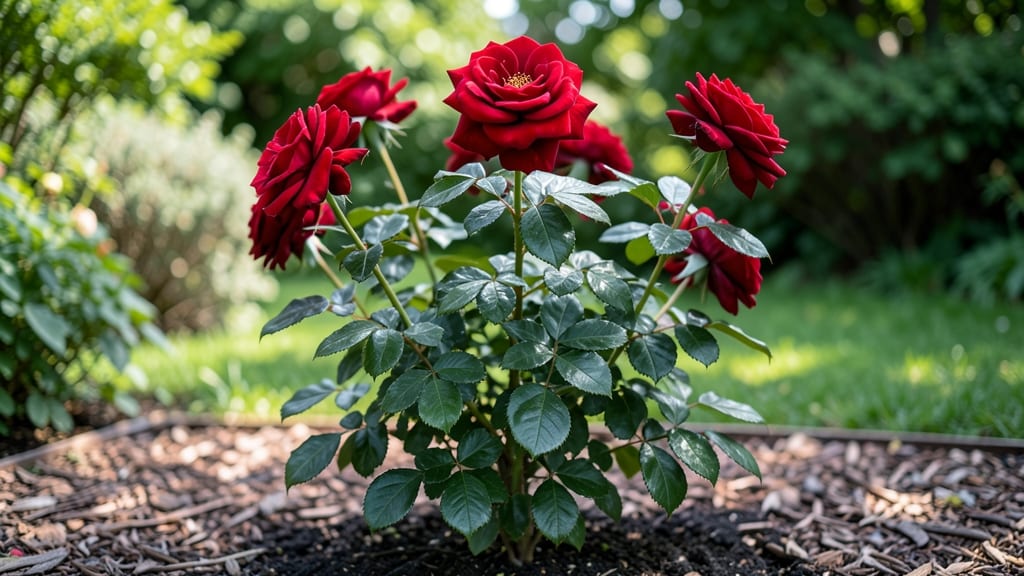
Growing the Great Century rose means drought-proof blooms that outlast summer heat—no fuss, just stunning results. 🌿 I planted mine last spring and was shocked at how little water it needed while still producing football-sized blooms all season. The secret?
This hybrid tea rose is bred for resilience, not just beauty. This variety thrives in full sun to partial shade and tolerates poor soil, making it perfect for urban gardens or rocky slopes. Just amend with compost at planting, and you’re set.
The deep pink, double blooms stay vibrant even when other roses wilt—ideal for hot climates where traditional roses struggle. Pruning is simple: cut back by one-third in early spring, then deadhead spent blooms to encourage more flowers.
With proper care, you’ll get continuous blooms from June until frost, and the fragrance? Rich and intoxicating—like a summer stroll through a rose garden. Works beautifully in landscape beds, containers, or as a focal point—just give it space to grow (3-4 feet tall and wide).
Here’s how to keep it thriving all season long.
📚 In This Guide
- What you need
- Instructions
- Tips and common mistakes
- Wrapping up and next steps
What you need
- ● 1-2 bare-root or container-grown Great Century Rose plants (choose disease-resistant varieties for best results).
- ● Well-draining potting mix or garden soil (amend with compost or organic matter for improved fertility).
- ● Slow-release rose fertilizer (look for a balanced NPK ratio, like 10-10-10 or 12-12-12).
- ● Mulch (2-3 inches of organic mulch, like wood chips or straw) to retain moisture and regulate soil temperature.
- ● Drip irrigation system or soaker hose (essential for drought-resistant care).
- ● Garden trowel or shovel for planting.
- ● Pruning shears (sterilized) for shaping and maintenance.
- ● Gloves (heavy-duty) to protect your hands from thorns.
- ● Watering can or hose with adjustable nozzle (for initial watering).
- ○ Optional: Rose trellis or support stake (if growing climbing varieties).
- ● A sunny location with at least 6-8 hours of direct sunlight daily.
- ● Well-draining soil (amend clay soil with sand or compost).
- ● Proper spacing (3-4 feet apart) for airflow and growth.
Step-by-Step instructions for planting and caring for Great Century roses
Here's how to establish these drought-resistant beauties for long-term heat tolerance and stunning blooms.
🌱 Step 1: Select and Prepare the Planting Site
Choose a location that receives full sun (6-8 hours daily) with well-draining soil—the Great Century rose thrives in heat but despises soggy roots. Test your soil's drainage by digging a 12-inch hole; if water pools after 30 minutes, amend with 2-3 inches of compost mixed into the top 12 inches of soil to improve aeration.
These roses tolerate a range of soil types but perform best in slightly acidic to neutral soil (pH 6.0-7.0). If your soil is heavy clay, incorporate 1/3 sand or perlite into the planting hole to prevent compaction. I always work in the soil a few days before planting to let it settle—this prevents root damage when the plant goes in.
🪴 Step 2: Plant at the Right Depth and Stake for Support
Dig a hole twice as wide as the root ball but no deeper than the container's depth. Gently remove the rose from its container and loosen any circling roots with your fingers—this encourages outward growth. Place the plant in the hole so the graft union (visible bump near the base) sits 2-3 inches above soil level; this prevents it from being buried too deep.
Fill the hole with native soil, tamping lightly as you go to eliminate air pockets. Water deeply to settle the soil, then install a 5-6 foot stake at a 45-degree angle, tying the main stem loosely with soft plant ties. The Great Century rose grows upright but benefits from support in windy conditions or heavy bloom seasons.
☀️ Step 3: Water Deeply and Mulch to Retain Moisture
Water immediately after planting to help roots establish, then soak the soil to a depth of 12 inches weekly during the first growing season. You'll know moisture is right when the top 2 inches of soil feel dry to the touch but the deeper soil remains damp. Overwatering is the biggest mistake—these roses are drought-tolerant once established, but young plants need consistent moisture.
Apply a 3-inch layer of organic mulch (like shredded bark or wood chips) around the base, keeping it 6 inches away from the stem to prevent rot. Mulch conserves water, regulates soil temperature, and discourages weeds. Replenish mulch annually as it breaks down, and avoid piling it against the trunk where moisture can linger.
✂️ Step 4: Prune for Health and Encourage Bushy Growth
Prune in early spring (before new growth) and again after the first bloom cycle to shape the plant. Remove any dead, diseased, or crossing branches first—these compete with healthy growth. Cut back last year's blooms to just above a strong outward-facing bud to promote fuller growth and more flowers.
For the Great Century rose, I avoid heavy pruning; instead, I focus on selective thinning to improve airflow. This prevents fungal issues common in dense, humid climates. After pruning, apply a balanced 10-10-10 fertilizer around the drip line (not touching the stem) to support new growth. Water deeply afterward to help roots recover.
🌿 Step 5: Maintain Through Seasons for Long-Term Beauty
Fertilize every 6-8 weeks during the growing season with a low-nitrogen, high-phosphorus formula (like 5-10-5) to encourage blooms over foliage. Stop fertilizing in late summer to allow the plant to harden off for winter. In zones 7-9, these roses are evergreen; in colder zones, cut back dead foliage in late winter before new growth appears.
Watch for aphids or spider mites, which love the tender new growth. A strong spray of water usually dislodges them, but for persistent infestations, use neem oil as a natural treatment. The Great Century rose rewards patience—with proper care, it produces continuous blooms from early summer through fall, even in heat waves.
Tips & tricks for perfect Great Century rose planting and care
These insights will help you avoid common pitfalls and maximize your drought-resistant rose's potential.
Soil Preparation Secret: The 30-minute drainage test in Step 1 is non-negotiable—don't skip it! If water disappears within 10 minutes, your soil drains too fast and needs more organic matter. If it's still standing after 30 minutes, you're dealing with clay soil that needs the sand/perlite amendment. I've seen roses fail within weeks because of ignored drainage issues. Remember, these beauties hate soggy roots more than they love water.
Planting Depth Visual: When positioning your rose in Step 2, imagine the graft union (that visible bump near the base) should sit about as high as your knuckle when you make a loose fist. This prevents stem rot from buried tissue while keeping the plant stable. If you plant too deep, the rose struggles to breathe; too shallow, and it topples easily. A 5-6 foot stake at a 45-degree angle helps maintain this perfect positioning.
Watering Wisdom: The weekly 12-inch deep soak in Step 3 might seem excessive, but it's crucial for establishing roots. Use a soil probe or long screwdriver to check moisture—if it comes out clean at 12 inches, you've hit the mark. Early morning watering prevents evaporation, and drip irrigation systems work beautifully for consistent moisture without overwatering. The top 2 inches drying out is your signal to water again, not your only guide.
Pruning Precision: When cutting back blooms in Step 4, look for the outward-facing bud just above where the bloom stem meets the main branch. This encourages bushier growth and more flowers. I always use sharp, clean pruners and make cuts at a 45-degree angle about 1/4 inch above the bud. Avoid leaving stubs—they invite disease and slow recovery. For the Great Century rose, less aggressive pruning means more continuous blooms throughout the season.
Pro Tips for Great Century Rose
- These insights will help you avoid common pitfalls and maximize your drought-resistant rose's potential.
- Soil Preparation Secret: The 30-minute drainage test in Step 1 is non-negotiable—don't skip it!
- Planting Depth Visual: When positioning your rose in Step 2, imagine the graft union (that visible bump near the base) should sit about as high as your knuckle when you make a loose fist.
Frequently asked questions
Got questions about growing the stunning Great Century Rose? You’re not alone! This drought-resistant beauty is a favorite, but even pros need a little guidance. Here are answers to the most common queries—so you can nurture your rose like a pro.
How much water does a Great Century Rose really need?
The "drought-resistant" label doesn’t mean no water—just less! Water deeply 1-2 times per week during the first year to establish roots, then taper to once every 10-14 days in mature plants. Mulch (2-3 inches) locks in moisture and reduces evaporation. Pro tip: Water at the base, not overhead, to prevent fungal issues.
When is the best time to plant a Great Century Rose?
Plant in early spring or fall (4-6 weeks before the first frost) for ideal root establishment. Avoid summer heatwaves—roots stress easily when temperatures soar. If planting in containers, spring is safest to prevent winter damage. Troubleshooting: If you must plant in summer, shade the rose for the first 2 weeks and water daily.
Can I grow a Great Century Rose in a pot?
This rose thrives in containers 18-24 inches wide with drainage holes. Use a well-draining potting mix (add perlite or sand) and repot every 2-3 years. Place in full sun (6+ hours/day) and water more frequently than in-ground roses—pots dry out faster. Alternative: Try a fabric grow bag for better airflow.
What pests should I watch for, and how do I treat them?
The Great Century Rose is resistant to many pests, but keep an eye out for:
- Aphids: Spray with water or use neem oil.
- Japanese beetles: Handpick or use milky spore (organic).
- Spider mites: Increase humidity with a light misting.
Why aren’t my Great Century Rose blooms lasting long?
Short-lived blooms often mean overwatering, poor drainage, or nutrient deficiencies. Check your soil—it should dry out between waterings. Feed with a balanced rose fertilizer (10-10-10) every 4-6 weeks during growing season. Quick fix: Deadhead spent blooms to encourage more flowers!
Does this rose do well in full sun or partial shade?
While it tolerates partial shade (4-6 hours of sun), full sun (6+ hours) produces the most vibrant blooms and robust growth. In hot climates, provide afternoon shade to prevent leaf scorch. Alternative: If shade is unavoidable, choose a north-facing spot for gentle light.
Wrapping up and next steps
The Great Century Rose isn’t just a shrub—it’s a statement of resilience and beauty, perfect for transforming your garden into a thriving oasis. With its drought-resistant charm and heat-loving nature, this rose proves that stunning blooms don’t require constant care.
Whether you’re a seasoned gardener or just starting, this guide gives you everything you need to cultivate a showstopper that stands out all season long!
Ready to dive in? Start with the right soil and sunlight, then watch your Great Century Rose flourish—one petal at a time! 🌹✨