
Blooming
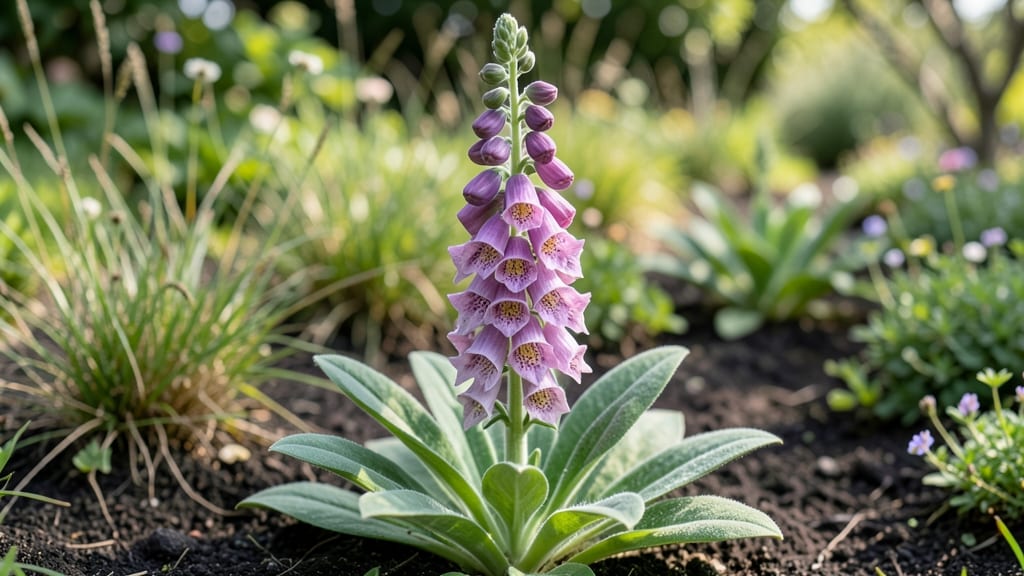
Foxglove flowers bloom in late spring to early summer 🌸, with timing that shifts based on your climate and the specific variety you’re growing.
If you’ve ever wondered why your foxglove plants seem to bloom at different times—or why some varieties never produce flowers—understanding their bloom stages and frost zone triggers is the key to unlocking vibrant, long-lasting blooms.
In USDA Zone 6a, where most gardeners plant foxglove in March–May, expect flowers to appear by June, with peak blooms lasting through July and August. But cooler zones or early frosts can delay this, while warmer climates might see staggered blooms throughout the season.
Below, I’ll break down how sunlight, soil, and even your last frost date influence bloom time, plus three simple tricks to encourage healthier, earlier, and longer-lasting flowers—no matter where you garden.
Foxglove bloom time by variety: when to expect flowers
Foxglove (Digitalis spp.) is a dramatic biennial or short-lived perennial that rewards patient gardeners with stunning spiked flower clusters in shades of purple, pink, white, and yellow. But not all varieties bloom at the same time—some burst into color in early summer, while others linger into fall.
Understanding these differences helps you plan your garden layout and extend the bloom season with strategic planting.
Most foxgloves follow a two-year cycle: they focus on leaf and root growth in their first year, then produce flower spikes in their second year.
However, some varieties—like Digitalis ferruginea—may bloom in their first year under ideal conditions. Light levels, soil fertility, and frost exposure all play critical roles in determining when (and if) your foxgloves will flower.
The table below breaks down bloom timing for the most popular foxglove varieties, including visual cues to help you identify each stage. Use this as your guide to predict bloom seasons and adjust care accordingly for maximum impact in your garden.
| Variety | Bloom Season | Flower Color | Height (ft) | Key Cue |
|---|---|---|---|---|
| Digitalis purpurea (Common Foxglove) | Mid-summer to early fall | Purple, pink, white, bicolors | 3–5 | Tallest spikes; buds open from bottom up |
| Digitalis grandiflora (Giant Foxglove) | Late spring to early summer | Yellow, cream, spotted | 4–6 | Largest flowers; fragrant |
| Digitalis ferruginea (Rusty Foxglove) | Early summer | Reddish-brown, rusty | 2–3 | Hairy stems; compact growth |
| Digitalis obscura (Dark Foxglove) | Early to mid-summer | Deep purple, almost black | 2–4 | Dense flower spikes; slow to open |
| Digitalis lutea (Yellow Foxglove) | Mid-summer | Bright yellow | 3–4 | Smaller flowers; bushier habit |
If you’re planting foxgloves to stagger blooms across the season, mix early bloomers like Digitalis ferruginea with late-season varieties like Digitalis purpurea.
For example, Digitalis grandiflora’s late spring flowers create a lovely transition into summer, while Digitalis obscura’s deep purple spikes add drama in early summer before other varieties take over.
Watch for bud formation in late spring—this is your first clue that blooms are coming. In USDA zones 5–7, foxgloves often need a cold snap in winter to trigger flowering.
If you’re in a warmer zone (8–9), consider simulating dormancy by withholding water in late summer to encourage bud development the following spring.
Pro tip: Deadhead spent blooms to redirect energy into new flowers and prevent self-seeding. However, leave a few seed pods if you want volunteer plants next year—foxglove seeds often germinate reliably in well-drained soil. Just be cautious, as foxglove contains cardiac glycosides and is toxic to pets and humans.
For container gardening, choose dwarf varieties like Digitalis obscura or Digitalis lutea to avoid overcrowding. In the ground, space plants 18–24 inches apart to allow airflow and reduce disease risk.
Mulch with organic matter (like shredded leaves) to retain moisture and protect roots during hot summers or freezing winters.
One common mistake is assuming all foxgloves bloom the same year. If your plants are first-year seedlings, they’ll focus on root and leaf growth—don’t panic! With proper care, they’ll reward you with stunning flower spikes the following year.
For immediate blooms, buy established transplants in early spring and provide rich, well-draining soil with moderate sunlight.
🌸
How frost zones affect foxglove bloom time and care
Foxgloves thrive in cool climates, but their bloom timing shifts dramatically depending on your USDA frost zone. In Zones 3–5, these biennials often bloom in late spring to early summer, while warmer Zones 7–9 may see staggered blooms or even winter flowering.
Understanding these patterns helps you time plantings and extend bloom seasons.
The key to foxglove care lies in recognizing how cold triggers dormancy and heat shortens bloom cycles. In colder zones, plants may wait until spring to flower after a winter rest, while in warmer zones, they might bolt prematurely or struggle to rebloom.
Let’s break down how to adapt your approach for each zone.
In colder zones (3–5), foxgloves often require a winter chill to trigger flowering. Plant seeds in late summer so they establish roots before frost. In Zone 4, for example, I’ve seen Digitalis purpurea bloom as early as late May if given partial shade and consistent moisture.
Warmer zones (7–9) pose unique challenges. Foxgloves may bolt too quickly or struggle to rebloom in heat. To extend blooms, I recommend deadheading spent flowers and mulching with straw or wood chips to keep roots cool.
In Zone 8, this technique can add 4–6 weeks to the bloom season!
For year-round color, try succession planting: Sow new seeds every 6–8 weeks in Zones 6–9. This ensures continuous blooms from spring to fall. Just remember—foxgloves are self-seeding, so prune seed pods if you want to control spread.
Whether you’re in frost-prone Zone 4 or mild Zone 9, adjusting for light, water, and heat will maximize your foxglove’s potential. With the right care, these elegant biennials can reward you with stunning blooms for years to come. 🌸