
Blooming
Winter gardens aren’t just green and gray—these 10 hardy flowers defy December’s chill with vibrant blooms, adding color and life to frosty landscapes. Perfect for gardeners who refuse to let seasonal changes dim their outdoor spaces.
Christmas Camellia with Rosy Petals
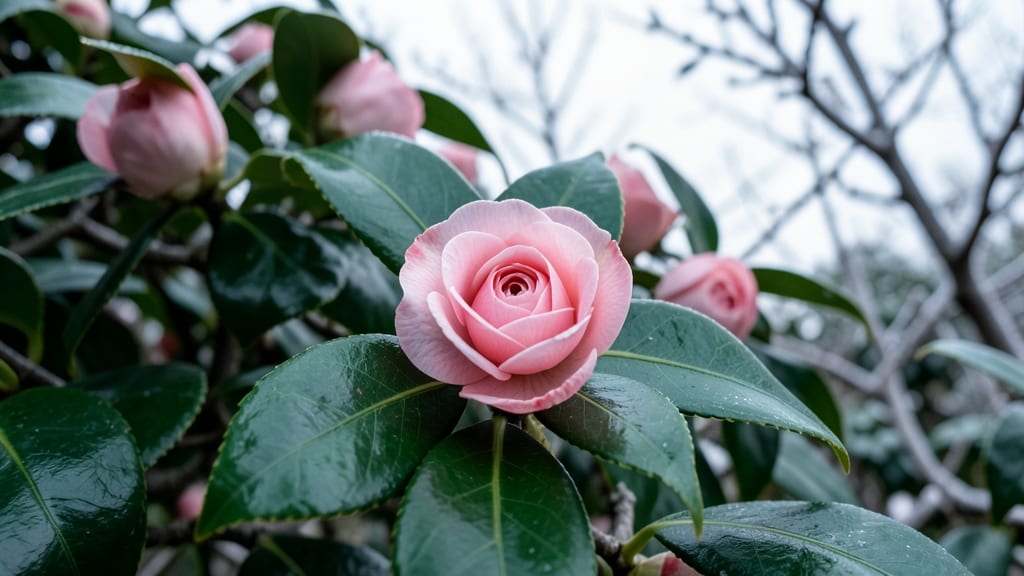
Looking for a winter bloomer that brings elegance to your garden even when temperatures drop? The Christmas camellia (Camellia japonica) delivers delicate rosy pink flowers that appear right before the holidays, paired with glossy evergreen leaves that stay vibrant year-round.
This cool-climate star thrives in partial to full shade, making it perfect for shaded garden beds or large containers. Plant in well-draining, acidic soil (pH 5.5–6.5) and water consistently to keep the soil moist but not soggy. Prune lightly after flowering to encourage bushier growth—just avoid heavy pruning, as it blooms on old wood. 🌱
Ideal for urban gardeners with limited sun or those seeking a low-maintenance evergreen, Christmas camellias add timeless beauty to winter landscapes while requiring minimal fuss. 🌷
Winter Jasmine Climbing Vine
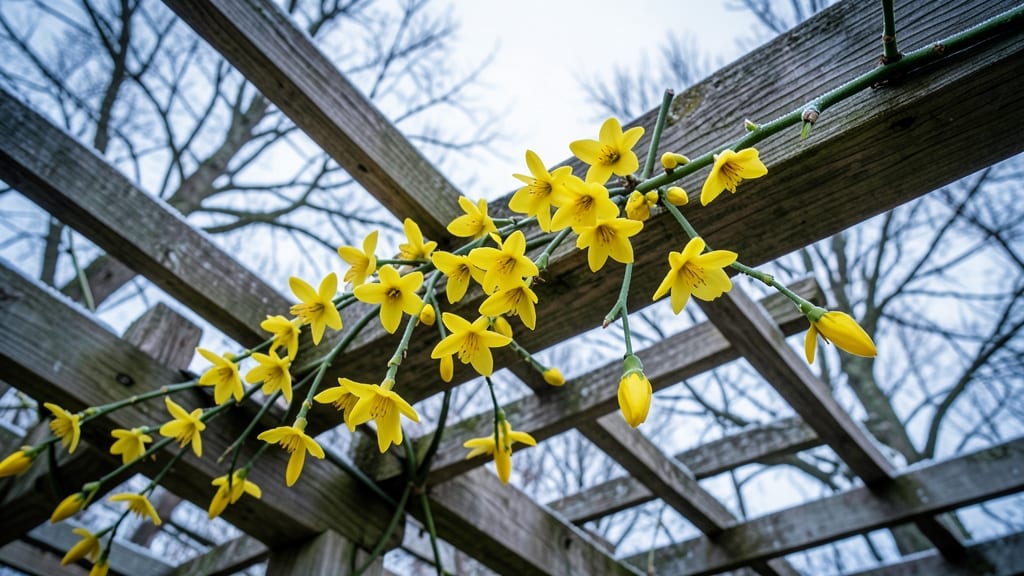
When December’s gray skies leave your garden feeling dull, winter jasmine bursts onto the scene with bright yellow star-shaped flowers that bloom as early as November in many climates. This deciduous climber transforms bare trellises, fences, or arbors into sunlit canvases, offering a cheerful contrast to winter’s muted tones.
Plant it in well-drained soil and give it full sun to partial shade—it thrives even in USDA zones 6-9, making it versatile for coastal or inland gardens. Prune after flowering to encourage bushier growth, and watch as its fragrant blooms attract early pollinators. Unlike spring bloomers, winter jasmine delivers color when most gardens are dormant.
Perfect for urban gardeners with limited space or those seeking low-maintenance vertical interest, this vine needs no special care beyond occasional pruning. Its early bloom also makes it a standout for winter weddings or holiday decor. 🌟
Poinsettia Red Velvet Variety
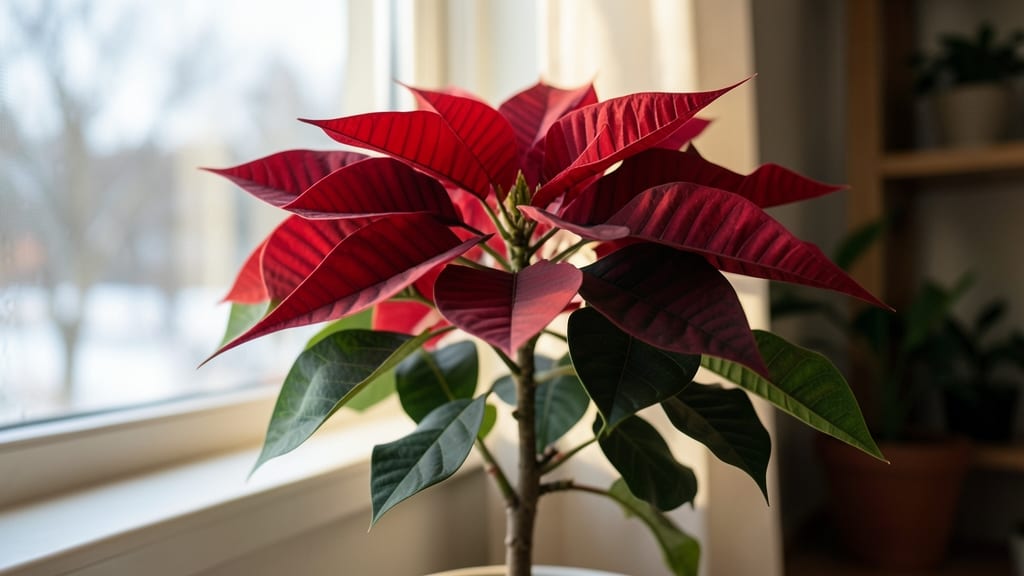
Tired of poinsettias fading after the holidays? The Red Velvet poinsettia variety keeps its deep red blooms well into January with proper care—making it the perfect winter houseplant that doesn’t require a greenhouse.
This variety thrives in bright, indirect light (think east-facing windows or a well-lit room) and only needs water when the top inch of soil feels dry. Unlike traditional poinsettias, it tolerates slightly cooler indoor temperatures (down to 50°F), so you can keep it near drafty windows without worry. The velvety foliage adds texture, while the bold color makes it a standout in any room.
Urban gardeners and apartment dwellers will love this low-maintenance plant—it’s ideal for adding a pop of color to small spaces where outdoor gardening isn’t an option. 🌻
Snowdrop Flowers in Woodland Shade
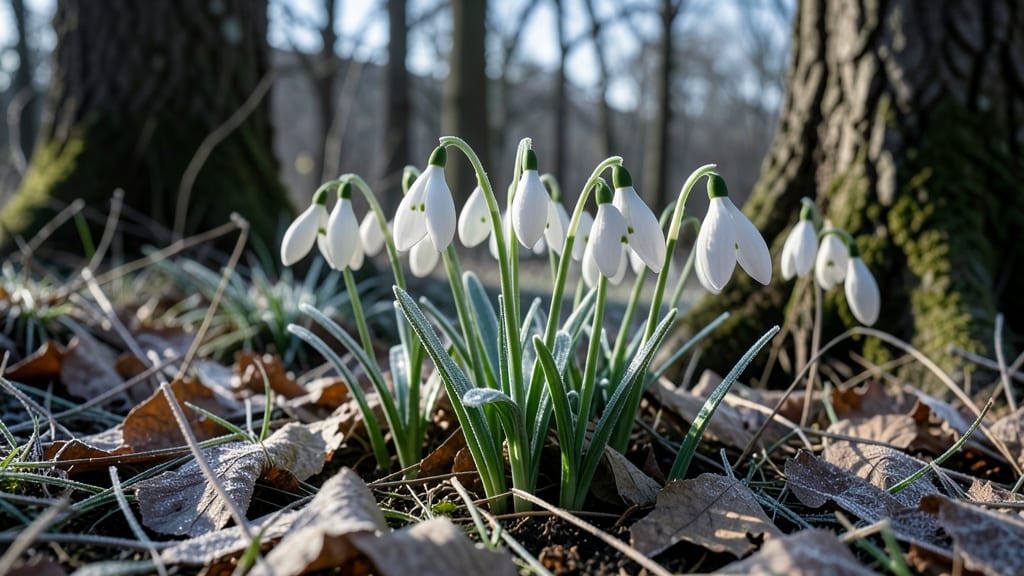
When winter feels endless, snowdrops (Galanthus) burst through the frost like tiny messengers of spring, often appearing in late December before most gardens wake up. These delicate white bell-shaped blooms thrive in the quiet, shaded spots where other plants retreat—making them ideal for naturalizing under trees or in woodland gardens.
Snowdrops prefer dappled shade and well-draining soil, though they’re surprisingly adaptable to various conditions, including clay or sandy soils. Plant the bulbs in fall (September-October) at a depth of 2-3 inches, spacing them 2-3 inches apart for a lush, carpet-like effect. Once established, they multiply yearly, creating self-sustaining colonies that brighten dark corners for decades.
Perfect for beginner gardeners or those with limited sunlight, snowdrops require almost no maintenance—just a little patience. Their early blooms also signal that spring is on its way, offering a symbolic boost to winter-weary spirits. 🌱
Hellebore Christmas Rose
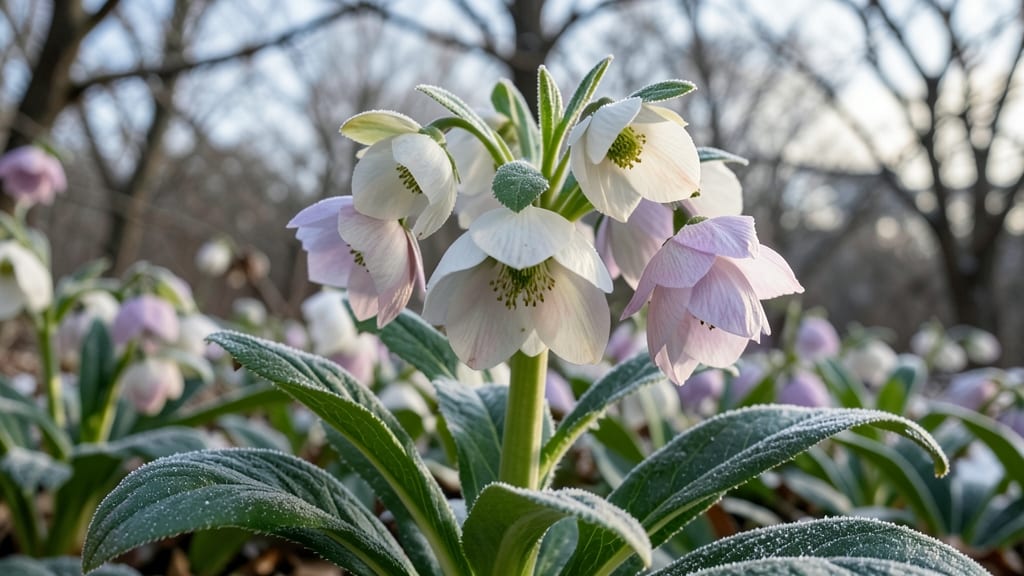
If you crave winter blooms that refuse to bow to frost, the Hellebore Christmas Rose delivers dainty, nodding flowers in soft white, blush pink, or lavender hues that appear in December—often right through spring. Unlike many winter bloomers, these evergreen perennials thrive in shade to partial sun, making them perfect for woodland gardens or evergreen borders where other plants struggle.
Plant Hellebores in well-draining, humus-rich soil (they tolerate clay but hate soggy roots) and water moderately—their leathery leaves store moisture well. Deadhead spent blooms in early spring to encourage new growth, and watch as they multiply over time, forming lush, long-lived colonies. Their frost tolerance means you can enjoy their delicate blooms even after a hard freeze, and deer typically leave them alone, a rare bonus for gardeners.
Ideal for shade-loving gardeners or those creating low-maintenance woodland gardens, Hellebores add year-round structure with their glossy foliage and seasonal blooms. Their unique, almost whimsical flowers also make them a favorite for cut arrangements that last weeks in vases. 🌷
Pansy Winter Mix in Containers
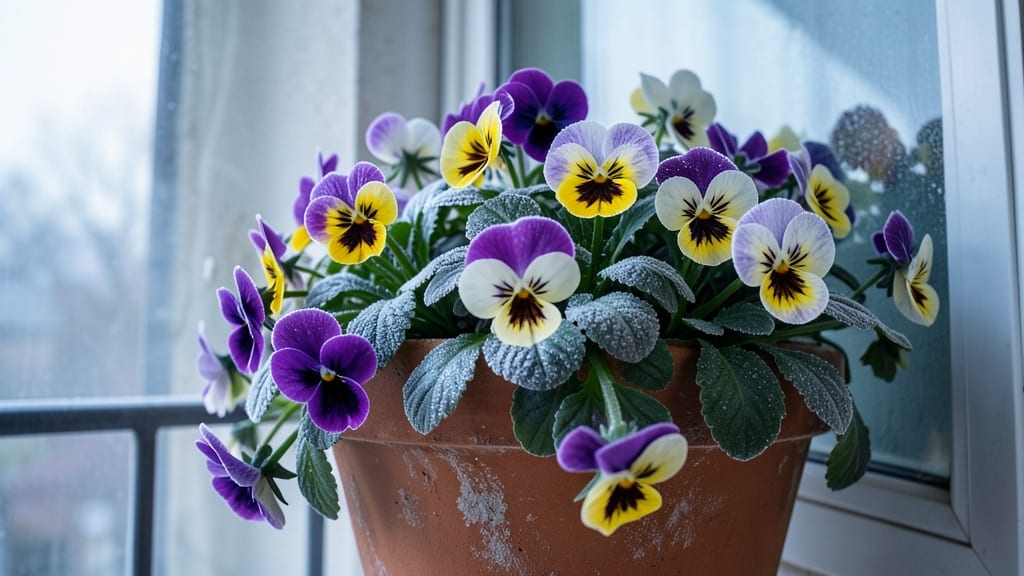
Skip the bare winter windowsills—pansy winter mixes bring bold, frost-resistant color straight to your balcony or patio in vibrant shades of purple, yellow, and white. Unlike spring pansies, these cold-hardy varieties keep blooming until spring, making them the ultimate container plant for chilly climates.
Choose a well-draining potting mix and place containers where they get 4-6 hours of sun daily—even in winter’s weak light. Water when the top inch of soil dries out, and fertilize lightly every 4-6 weeks with a balanced formula. For extra protection, wrap containers in burlap or move them to sheltered spots during hard freezes. Their cheerful faces (yes, those iconic patterns!) make them perfect for window boxes or hanging baskets where they’ll be seen year-round.
Ideal for urban gardeners or anyone with limited outdoor space, these pansies require minimal care but deliver maximum winter cheer. Plus, they’re edible—young leaves add peppery flavor to salads! 🌷
Christmas Orchid Cattleya
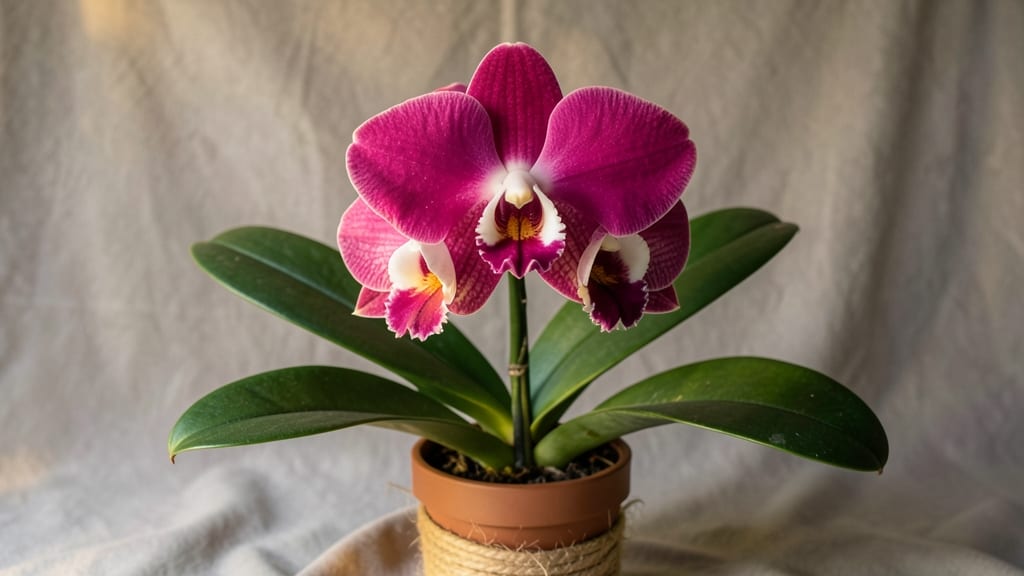
Bring a taste of the tropics indoors this December with the Christmas orchid Cattleya, a showstopper that blooms for weeks at a time with minimal effort. Unlike delicate winter flowers, this orchid thrives in indoor conditions, making it perfect for adding exotic elegance to your home decor without stepping outside.
Place your Cattleya in bright, indirect light (like a north-facing window) and water every 7-10 days when the top inch of soil feels dry. These orchids love humidity, so mist the leaves occasionally or set the pot on a tray of pebbles with water. With proper care, each bloom spike produces 5-10 stunning flowers in vibrant pinks, purples, or whites, creating a luxurious display that lasts longer than most seasonal blooms.
Indoor gardeners and apartment dwellers will adore this low-maintenance orchid—it’s ideal for adding a touch of sophistication to living rooms or offices where outdoor gardening isn’t possible. 🌻
Winter Aconite Eranthis
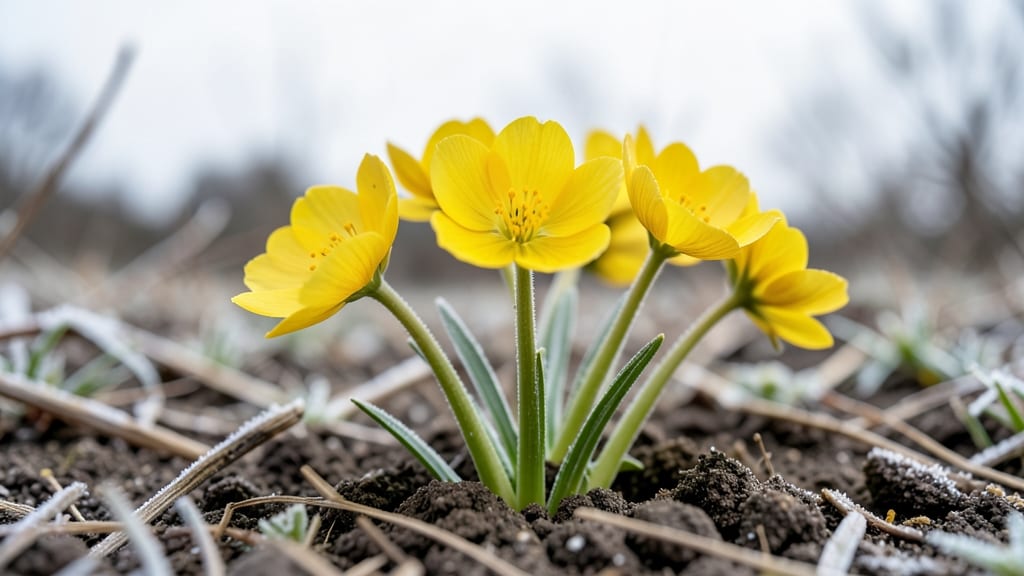
If you crave a burst of sunshine in December when most gardens are dormant, winter aconite (Eranthis hyemalis) delivers with its cheerful buttercup-like golden blooms that appear like tiny suns on low-growing stems. Unlike spring ephemerals, this early winter bloomer often emerges in late November or December, creating a stunning contrast against frost-kissed soil or evergreen foliage.
Thriving in full sun to partial shade, winter aconite is happiest in well-draining soil> and tolerates light frost once established—perfect for rock gardens, sunny borders, or woodland edges> in zones 4-8. Its tiny, cup-shaped flowers> (just ½ inch wide) may seem modest, but they multiply quickly, forming dense colonies that brighten dark corners. For best results, plant bulbs in fall (September-October)> at a depth of 2-3 inches, spacing them 2-3 inches apart.
This low-maintenance superstar is ideal for gardeners in mild climates who want instant winter color without fuss. Its early bloom also makes it a favorite for wildlife-friendly gardens**>, as bees and early pollinators adore its nectar. 🌻
Amaryllis Belladonna Bulbs
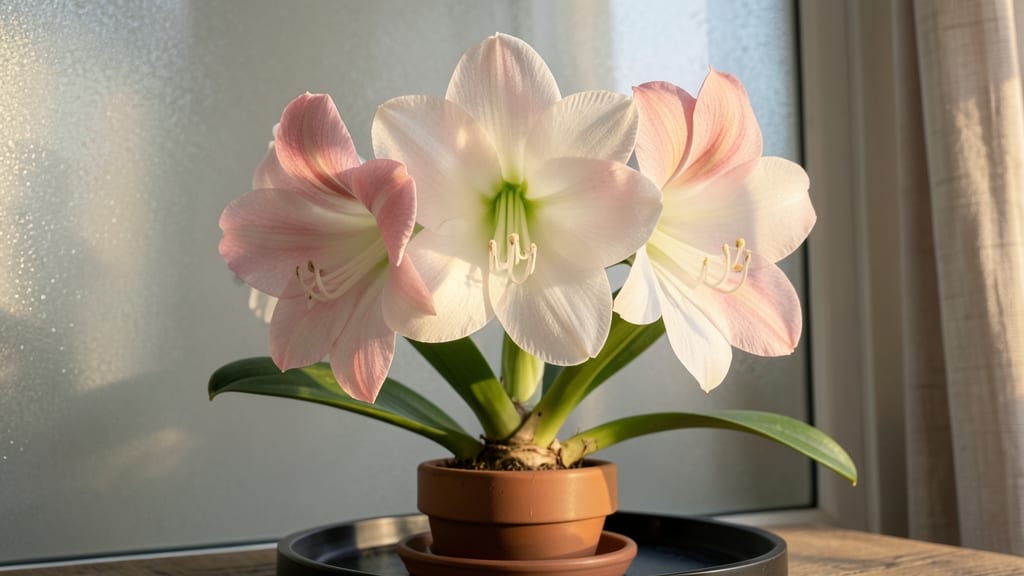
Want to turn your dreary winter indoors into a showstopper without stepping outside? Amaryllis belladonna bulbs deliver dramatic pink or white trumpet-shaped blooms that force indoors with minimal effort—perfect for gardeners who crave drama but lack outdoor space.
These bulbs thrive in bright, indirect light and only need water when the soil feels dry. Plant them in well-draining pots in fall (September-October), and they’ll reward you with 12-18 inch stems of blooms by December. Unlike outdoor bulbs, they don’t need cold stratification—just a cozy indoor spot. The fragrant flowers last for weeks, making them ideal for holiday tables or mantels.
Best for apartment dwellers or those with limited outdoor gardening space, these bulbs offer year-round greenery and stunning winter color with almost no maintenance. 🌷
Cyclamen Persicum in Shade

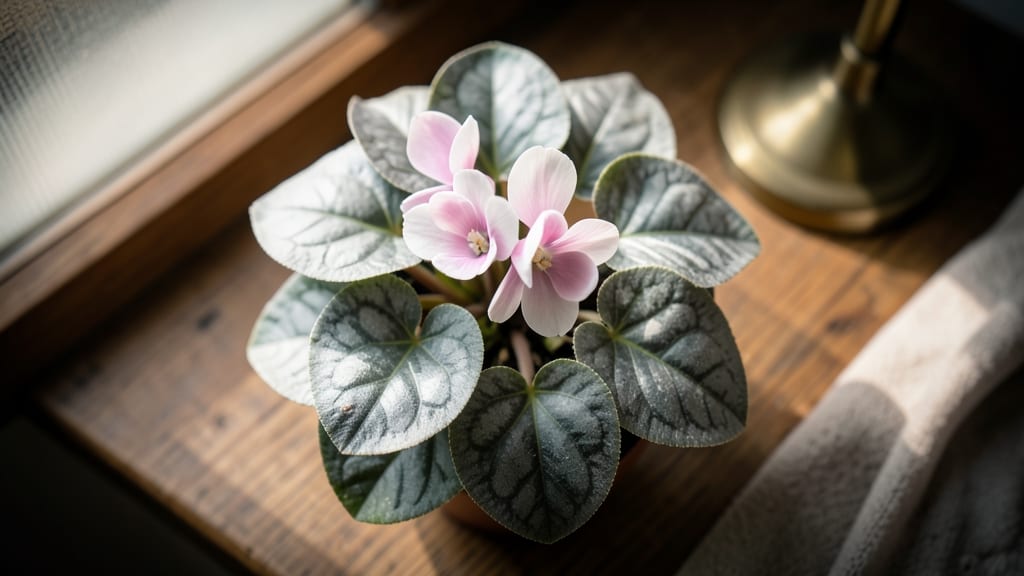
Bring a touch of whimsical elegance to your winter decor with Cyclamen persicum, a charming houseplant that blooms indoors from late fall through winter. Its heart-shaped silver-marked leaves and delicate pink or white flowers create a striking contrast against cozy indoor spaces, making it perfect for tablescapes, shelves, or sunny windowsills.
This shade-loving beauty thrives in cool indoor temperatures (60–70°F) and bright, indirect light—avoid harsh sunlight, which can scorch its leaves. Water from below by placing the pot in a saucer of water for 10 minutes, then draining excess, to prevent rot. With minimal care, it rewards you with weeks of blooms and foliage that adds texture to winter arrangements.
Ideal for urban gardeners with limited space or anyone who loves adding seasonal charm without outdoor gardening, cyclamen persicum brings a pop of color to dreary winter days. 💚