
Shrubs
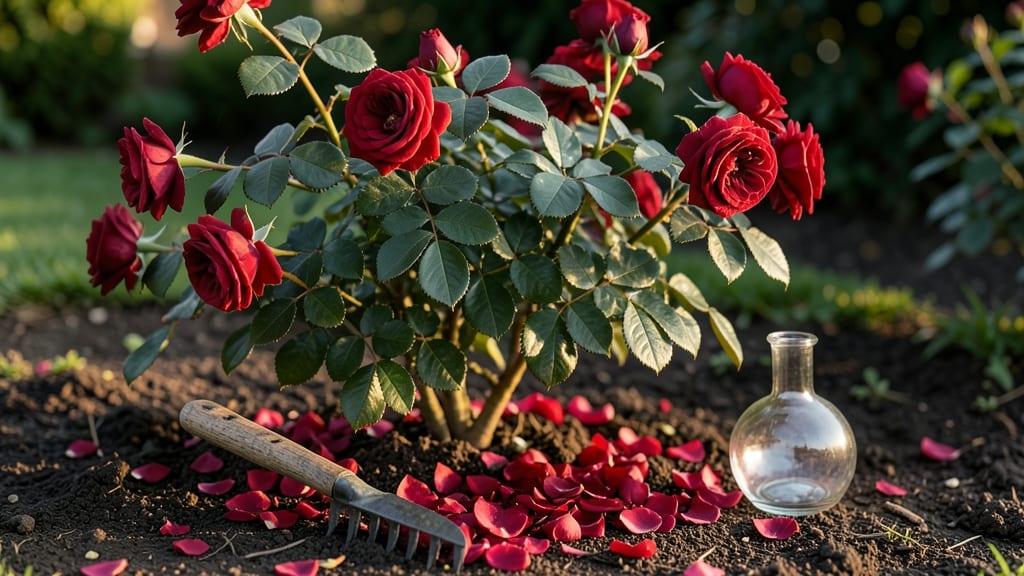
Fallen rose petals aren't just pretty—they're the secret ingredient transforming my garden into a fragrant, functional masterpiece. 🌹 Once I started collecting them, I discovered endless ways to use them beyond the compost bin, from natural dyes to pollinator-friendly pathways.
Collecting petals is easier than you think: simply shake them off bushes into a bucket or sweep them up after rain when they're soft and ready to use. For longer storage, dry them in single layers between paper towels or freeze them in ice cube trays for instant garnishes later.
My favorite garden uses include scattering petals along walkways for a romantic touch, mixing them into homemade mulch for a fragrant soil boost, or creating natural dyes for fabric. The petals also attract bees and butterflies, turning your garden into a lively ecosystem.
Whether you're crafting floral arrangements, dyeing Easter eggs, or simply adding beauty to your space, fallen rose petals are one of nature's most versatile gifts. Start small—just a handful—and watch how they elevate your garden's charm and function.
📚 In This Guide
- What you need
- Instructions
- Tips and common mistakes
- Wrapping up and next steps
What you need
- ● Rose petals: 1–2 cups (fresh, pesticide-free, and non-GMO). Choose deep red, blush, or striped varieties for vibrant color.
- ○ Edible rose water (optional but recommended): 1–2 tsp (for floral aroma; ensure it’s culinary-grade).
- ● Granulated sugar: 1–2 tbsp (for dusting or simple syrups).
- ● Honey or agave nectar: 1–2 tsp (to sweeten syrups or glazes).
- ○ Citrus zest (lemon/lime): ½ tsp (brightens flavors; optional but pairs beautifully).
- ● Fine-mesh strainer or cheesecloth (for rinsing petals).
- ● Mixing bowl (preferably glass or stainless steel).
- ● Tweezers or tongs (for delicate placement on garnishes).
- ● Small saucepan (if making rose syrup).
- ● Spray bottle with water (to keep petals fresh).
- ● Food-safe drying rack or paper towels (for patting dry).
- ● Gold leaf or edible glitter (for luxurious cocktails).
- ● Fresh mint or basil (to contrast rose flavors).
- ● Vanilla extract (enhances desserts).
- ● Coconut milk or heavy cream (for floral-infused sauces).
How to harvest and prepare fallen rose petals for edible use
Here's how to turn your garden's natural bounty into stunning, flavorful garnishes.
🌿 Step 1: Collect Petals at Peak Freshness
Pick petals in the early morning after dew has evaporated but before the sun intensifies. Use clean, dry hands or a small brush to gently lift petals from the ground—never pull them off stems, as this damages the plant. Focus on fully opened roses with vibrant color; pale or wilted petals won't taste as fresh.
Place petals in a single layer on a clean kitchen towel or paper towel. This prevents moisture buildup and keeps them from sticking together. I like to work in batches of about 1 cup at a time for easy handling. Remove any stems, leaves, or insects you find—these can impart bitter flavors or ruin the presentation.
💧 Step 2: Clean and Dry the Petals
Fill a large bowl with cold water and add a tablespoon of white vinegar to help remove dirt and pests. Swirl the petals gently for 30 seconds, then drain through a fine-mesh strainer. Never soak them—they'll absorb too much water and lose their delicate texture. Pat dry immediately with paper towels or a clean kitchen towel.
Spread the petals on a wire rack or clean baking sheet lined with parchment paper. Place in a warm, dry spot away from direct sunlight for 1-2 hours until completely dry to the touch. You'll know they're ready when they feel crisp and no longer stick together. For faster drying, use a fan on low speed to circulate air gently.
✂️ Step 3: Store Petals for Freshness
Once dry, store petals in an airtight container lined with parchment paper. I use small glass jars with tight-sealing lids to preserve their color and flavor. Keep them in a cool, dark place like a pantry or refrigerator—this prevents moisture buildup and extends freshness for up to 2 weeks. For longer storage, freeze petals in a single layer on a tray before transferring to a sealed bag for up to 3 months.
Label your container with the date and type of rose—some varieties have stronger flavors than others. When ready to use, let frozen petals thaw at room temperature for 10-15 minutes before handling. This ensures they retain their delicate texture and vibrant color for garnishes or infusions.
🌱 Step 4: Prepare Petals for Culinary Use
For cocktails, lightly toast petals in a dry skillet over low heat for 10-15 seconds to enhance their aroma. Let them cool completely before adding to drinks—this prevents them from wilting in contact with liquids. I like to layer them over ice or stir them into syrups for a floral twist. For desserts, sprinkle petals over whipped cream, fruit tarts, or chocolate truffles just before serving to keep them fresh.
Real talk: petals add beauty but minimal flavor—pair them with complementary ingredients like citrus zest, vanilla, or honey to balance their delicate taste. If you notice any petals turning brown or losing color, discard them immediately—they've lost their freshness and may affect the dish's appearance.
Tips & tricks for perfect edible rose petals
These little details make all the difference when transforming garden petals into edible art.
Timing Secret: In Step 1, work with petals as soon as you collect them—delaying even 30 minutes can cause wilting. I've learned this the hard way after spending hours drying petals that lost their delicate texture. The 1-2 hour drying window in Step 2 is non-negotiable for crisp petals, but don't rush it. Use a small kitchen timer to monitor progress, especially if you're using a fan for faster drying.
Cleaning Technique: That 30-second vinegar rinse in Step 2 is your secret weapon against hidden pests and dirt. I've tried skipping it with petals that ended up bitter-tasting in my cocktails. For extra safety, add a pinch of salt to the water—it helps break down any residual pesticides. Always pat dry immediately after rinsing; damp petals stick together and take forever to dry properly.
Storage Wisdom: The 2-week refrigerator storage time assumes you're using airtight containers with parchment paper. For longer freshness, I've found that freezing petals in single layers on a tray prevents them from clumping together. When you're ready to use them, let them thaw at room temperature for exactly 10-15 minutes—they should feel crisp again, not soggy. This is especially important for desserts where texture matters.
Culinary Use: That 10-15 second toast in Step 4 is crucial for cocktails—it releases the petals' natural oils that enhance aroma. I've ruined perfectly good garnishes by overheating them, so keep that skillet on low and watch closely. For desserts, add petals just before serving to maintain their vibrant color and delicate texture. Pair them with complementary flavors like citrus or vanilla to balance their subtle floral notes.
Pro Tips for Fallen Rose Petals
- These little details make all the difference when transforming garden petals into edible art.
- Timing Secret: In Step 1, work with petals as soon as you collect them—delaying even 30 minutes can cause wilting.
- Cleaning Technique: That 30-second vinegar rinse in Step 2 is your secret weapon against hidden pests and dirt.
Frequently asked questions
about using fallen rose petals in cocktails and desserts—because even the prettiest garnishes come with questions! Here’s what you need to know before diving in.Are fallen rose petals safe to eat?
Yes, but only if they’re organic, pesticide-free and from edible rose varieties (like Rosa gallica or Rosa centifolia). Always rinse them gently in cold water and pat dry to remove dirt or debris. Avoid petals from garden roses treated with chemicals—your taste buds (and stomach) will thank you!
How long do fallen rose petals last in cocktails or desserts?
Freshness is key! In cocktails, rose petals stay vibrant for 1–2 days in the fridge (garnish just before serving). For desserts (like macarons or ice cream), they hold up for 3–5 days if stored airtight. Freeze them for up to 3 months—just thaw gently before use to preserve color and aroma.
Can I substitute rose petals with something else for garnish?
Try these floral alternatives:
- Lavender buds (licorice-like flavor, great in syrups)
- Violet flowers (mildly sweet, pairs well with berries)
- Borage flowers (cucumber-like taste, perfect for drinks)
- Dried citrus peel (if you want a non-floral option)
Why do my rose petals look dull or taste bitter?
Dull petals? Likely overhandling or oxidation. Handle them gently (use tweezers!) and store in a sealed container with a paper towel to absorb moisture. Bitter taste? They may be old or from a non-edible rose. Stick to fresh, organic petals and rinse thoroughly—this keeps bitterness at bay.
How do I remove the bitter white base from rose petals?
The white receptacle (where the petal attaches) can be bitter. Simply trim it off with clean scissors before using. For cocktails, float the petals upside-down so the pretty side faces up. For desserts, chop them finely and mix into fillings (like rose cream) to hide any bitterness while adding flavor!
Wrapping up and next steps
Fallen rose petals aren’t just beautiful—they’re a delicious and versatile way to elevate your cocktails and desserts with a touch of elegance and natural sweetness.
Whether you’re experimenting with infused syrups, garnishing a signature drink, or adding a floral twist to baked goods, these petals bring a romantic yet refined flair to any dish. 🌹
Now that you’re equipped with the know-how, let your creativity bloom! Start small—try a single rose petal on your next cocktail or sprinkle them over a fruit tart. The possibilities are endless, so grab those petals and make every bite (or sip) feel like a celebration.