
Blooming
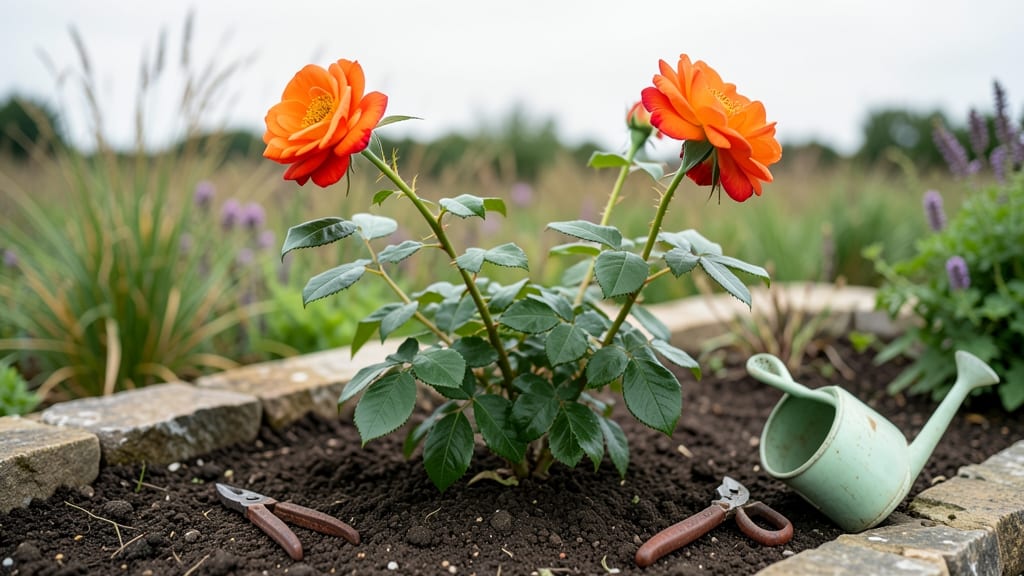
Nothing beats the Dolly Parton rose’s orange-red blossoms—velvety petals packed with a fragrance so bold it feels like a hug from Tennessee itself. 🌹 I planted mine last spring, and now it’s the showstopper of my garden, drawing... hummingbirds and curious neighbors alike.
The secret to making it shine? Pairing it with the right companions and giving it room to spread its lush, glossy foliage.
This rose thrives in full sun to partial shade, making it versatile for borders, trellises, or even as a standalone specimen. Plant it near lavender, salvia, or catmint to echo its warm tones while attracting pollinators.
For a romantic touch, mix in white hydrangeas or silver foliage—the contrast makes those fiery blooms pop even more. Prune lightly after blooming to encourage a second flush, and watch it reward you with months of vibrant color.
In floral arrangements, these roses steal the show—cut them when buds are half-open for the longest vase life. Pair them with deep burgundy dahlias or sunflowers for a rustic, high-impact bouquet.
The fragrance alone makes them worth growing, but their bold, cheerful presence turns any garden corner into a focal point. Once established, they’re low-maintenance and drought-tolerant, so they’ll keep giving back with minimal effort.
For maximum impact, consider planting three bushes together to create a dramatic, cascading effect along a fence or patio. In colder zones, mulch heavily in winter to protect the roots.
Trust me, once you see this rose in full bloom, you’ll understand why it’s a Southern garden staple—it’s not just a plant, it’s a statement. Ready to make yours the centerpiece?
📚 In This Guide
- What you need
- Instructions
- Tips and common mistakes
- Wrapping up and next steps
What you need
- ● Dolly Parton’s Rose (or similar hybrid tea rose): 1 bare-root plant (fall planting) or 1 potted rose (spring/summer)
- ● Variety: Look for ‘Dolly Parton’ (if available) or a deep orange-red hybrid like ‘Knock Out® Rouge’ or ‘Double Delight’
- ● Well-draining soil: 50% native soil + 50% compost or rose-specific mix (avoid heavy clay!)
- ● Organic mulch: 2–3 inches of pine straw or shredded bark to retain moisture
- ● Fertilizer: 1 bag of balanced rose fertilizer (10-10-10 or 5-10-5)
- ○ Optional: Epsom salt (1 tbsp per gallon of water) for magnesium boost
- ● Garden tools: Trowel or shovel
- ● Pruning shears (sterilized with rubbing alcohol)
- ● Gloves (to protect from thorns!)
- ● Sunlight: Full sun (6+ hours daily) for optimal blooms
- ● Watering can or hose: With a gentle spray nozzle
- ○ Support (optional): 1 rose trellis or 3–4 stakes + twine for climbing varieties
- ● 🌡️ Plant in early spring or fall to avoid extreme heat/cold stress.
- ● ✨ Deadhead spent blooms to encourage non-stop flowering!
- ● 🔥 Prune in late winter to shape the bush and remove dead wood.
How to cultivate Dolly Parton's iconic orange-red roses
Here’s how to bring Dolly’s legendary roses to life—rich color, intoxicating fragrance, and that signature Southern resilience.
🌱 Step 1: Select the Right Variety and Planting Site
Dolly Parton’s orange-red roses thrive best in Knock Out® ‘Rainbow’ or ‘Double Delight’ varieties, bred for bold color and repeat blooms. Choose a location with full sun (6+ hours daily)—partial shade dulls the vibrant hues. The soil should drain well but retain moisture; amending with 2-3 inches of compost before planting ensures nutrients stay available.
I always test soil pH first—these roses prefer 6.0-6.5. If your soil runs acidic, mix in dolomitic lime at planting. Avoid low spots where water pools; roots rot quickly in soggy conditions. The key is sun + drainage—skip either, and you’ll lose that signature Dolly glow.
☀️ Step 2: Plant at the Right Time and Depth
Plant bare-root roses in early spring (after last frost) or fall (6 weeks before first freeze). Dig a hole twice as wide as the root ball but no deeper—planting too deep suffocates the graft union. Loosen roots gently if they’re circling, then position the rose so the graft (swollen bump near the base) sits 2 inches below soil level. This ensures strong growth without disease.
Backfill with native soil mixed with 1 part compost, tamping lightly to remove air pockets. Water deeply right after planting—1 gallon per plant—to settle the soil. Mulch with 2-3 inches of shredded bark, keeping it 6 inches away from the stem to prevent rot. This mimics Dolly’s garden’s rich, loamy texture.
💧 Step 3: Water and Fertilize for Vibrant Blooms
Water deeply 2-3 times weekly during the first growing season, aiming for 1-1.5 inches of moisture per week. Let the top 2 inches of soil dry between waterings—overwatering causes yellow leaves and weak stems. I use a soaker hose to deliver water at the base, avoiding wetting foliage (which spreads fungal diseases).
Feed every 4-6 weeks with a balanced rose fertilizer (10-10-10) during spring/summer. Switch to a low-nitrogen formula (5-10-10) in fall to encourage winter hardiness. Prune spent blooms just above a 5-leaf cluster to redirect energy into bold, repeat flowers—just like Dolly’s stage presence.
✂️ Step 4: Prune and Maintain for Year-Round Color
Prune in late winter (before buds swell) to shape the bush and remove dead wood. Cut back one-third of the oldest canes to the ground, then trim remaining stems to 18-24 inches tall. This opens the center for airflow and sunlight, preventing mildew. Sterilize pruners with rubbing alcohol between cuts to avoid spreading disease.
Watch for aphids or Japanese beetles—both love these roses. Spray with neem oil at the first sign of pests, focusing on the undersides of leaves. Deadhead faded blooms weekly to encourage nonstop flowering. In fall, apply 4-6 inches of mulch to insulate roots—Dolly’s roses stay lush even through Southern winters.
🌿 Step 5: Overwinter for Next Season’s Glory
Before the first frost, reduce watering but keep soil moist. Wrap the base of the plant with burlap and top with 8-12 inches of straw mulch for insulation. In colder climates, mound soil 6 inches high around the base to protect the graft. Prune lightly in late winter (February) to remove winterkill before new growth starts.
Come spring, remove mulch gradually as temperatures rise. Fertilize lightly in early March with a high-phosphorus formula (5-10-5) to jumpstart blooms. Dolly’s roses reward patience—with proper care, they’ll burst into vibrant orange-red year after year, just like her signature charm.
Tips & tricks for perfect Dolly Parton-inspired roses
These secrets will help you cultivate roses so vibrant they'll feel like Dolly herself planted them.
Variety Matters: While Knock Out® 'Rainbow' and 'Double Delight' are your best bets, consider adding 'Earth Song' for extra fragrance—it's a Southern favorite that pairs beautifully with the orange-red palette. The key is choosing disease-resistant varieties that thrive in your specific climate zone, just like Dolly's garden adapts to her Tennessee roots. These varieties all share that signature Southern resilience that makes them perfect for beginners and experts alike.
Soil Science: That 2-3 inches of compost isn't just filler—it's where the magic happens. I've found mixing in worm castings (about 1 cup per plant) at planting time gives an extra boost of nutrients these hungry roses crave. The castings improve soil structure while providing slow-release nitrogen, helping those vibrant orange-red blooms pop right from the start. Think of it as giving your roses Dolly's own "coat of sparkle."
Watering Wisdom: The 2-3 times weekly watering schedule works best when you water in the morning—this prevents fungal diseases that thrive in damp evening foliage. I've noticed that watering at the base with a soaker hose for 20-30 minutes each session gives more consistent moisture than quick sprinkles. The goal is to keep that top 2 inches dry between waterings while ensuring roots get deep hydration, just like Dolly's garden stays perfectly balanced between carefree charm and precise attention.
Pruning Precision: When you're cutting back those oldest canes in Step 4, look for canes that are thinner than a pencil—these are the ones to remove completely. The remaining stems should be about pencil thickness or thicker. This selective pruning creates space for new growth while maintaining that lush, full look Dolly's roses are known for. And remember, those 18-24 inch heights aren't just arbitrary—they create the perfect balance between air circulation and sunlight penetration for those signature blooms.
Pro Tips for Dolly Parton Rose Orange-Red Blossoms
- These secrets will help you cultivate roses so vibrant they'll feel like Dolly herself planted them.
- Variety Matters: While Knock Out® 'Rainbow' and 'Double Delight' are your best bets, consider adding 'Earth Song' for extra fragrance—it's a Southern favorite that pairs beautifully with the orange-red palette.
- Soil Science: That 2-3 inches of compost isn't just filler—it's where the magic happens.
Frequently asked questions
Got questions about Dolly Parton’s iconic rose orange-red blossoms? You’re not alone! Here are some of the most common queries—and answers—to help you bring that Southern charm into your garden.
What’s the best time of year to plant Dolly Parton roses?
Plant them in early spring (after the last frost) or fall (6-8 weeks before the first frost). This gives roots time to establish before extreme heat or cold. Avoid planting in summer—high temps stress young roses!
How do I care for these roses in extreme Southern heat?
Mulch heavily (2-3 inches) to retain moisture, water deeply 2-3 times a week (early morning is best), and prune lightly to improve airflow. A shade cloth (30-50%) can protect them from afternoon sun if needed. Pro tip: Avoid overhead watering to prevent fungal issues!
Can I grow Dolly Parton roses in containers?
Yes! Use a large pot (15+ gallons) with drainage holes, well-draining soil, and a slow-release fertilizer. Container roses need more frequent watering and may require winter protection in colder zones. Just ensure the pot gets 6+ hours of sunlight daily.
What pests or diseases should I watch for with these roses?
Keep an eye out for aphids, spider mites, and Japanese beetles (common in the South). For diseases, black spot and powdery mildew are risks—prevent them with neem oil sprays and proper spacing. Prune infected leaves immediately to stop spread. Hot tip: Healthy roses with good airflow resist pests better!
Are Dolly Parton roses fragrant, and how do I enhance their scent?
Yes! Their blooms release a sweet, spicy fragrance—especially in the morning. To boost scent, plant near a seating area, avoid heavy fertilizers (they dilute fragrance), and deadhead spent blooms regularly. A light misting in the evening can also wake up their natural oils!
Wrapping up and next steps
Dolly Parton’s rose orange-red blossoms are more than just a burst of Southern charm—they’re a fragrant masterpiece that brings warmth, joy, and a touch of nostalgia to any garden.
Whether you’re drawn to their striking color, intoxicating scent, or the story behind Dolly’s love for roses, these beauties are a celebration of resilience and elegance. 🌸
Ready to invite their magic into your space? Start by choosing your favorite variety—whether it’s the classic ‘Dolly Parton’ rose or a fragrant hybrid—and plan your planting with care. Your garden (and future visitors) will thank you!