
Shrubs
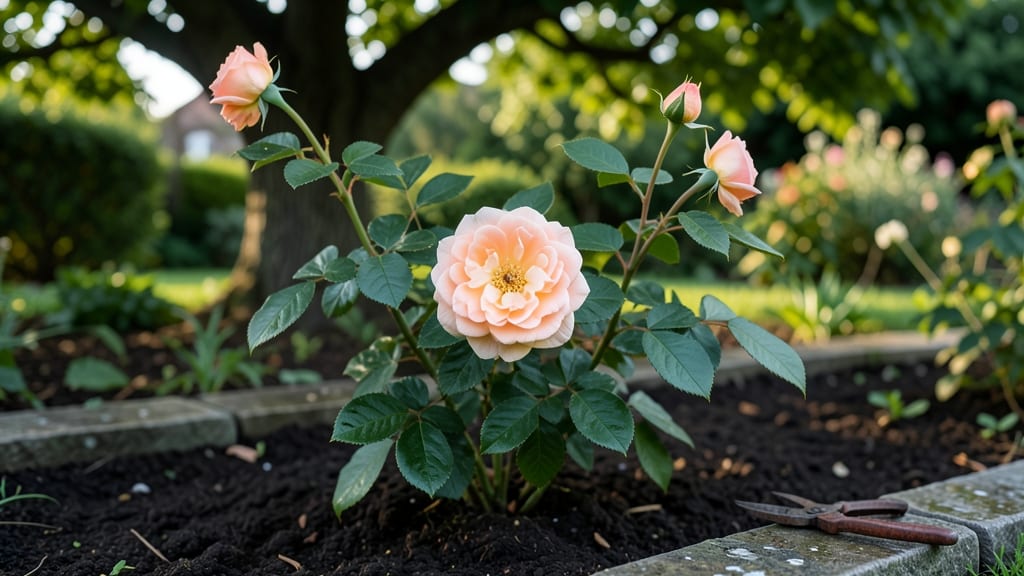
The Tiffany hybrid rose brings old-world romance to modern gardens with its velvety pink blooms and intoxicating scent. 🌹 I fell for this rose the first time I saw it—it’s not just another pretty face, but a disease-resistant powerhouse that thrives in containers, making it perfect for small spaces or urban balconies.
This rose loves full sun (6+ hours daily) and well-draining soil, but don’t stress if your yard isn’t perfect—it adapts beautifully to pots. The key is keeping it consistently moist (not soggy) and pruning spent blooms to encourage more flowers.
With the right care, you’ll enjoy continuous blooms from spring until frost, and those petals smell like a Parisian garden. What sets the Tiffany apart is its fragrance—rich, sweet, and long-lasting—plus its compact growth habit, staying under 3 feet tall.
Even in containers, it’s sturdy enough to handle summer heat and winter chills with proper protection. The payoff? A showstopper that needs less fuss than most roses. Whether you’re a first-time grower or a seasoned rosarian, this guide will help you coax out the Tiffany’s best.
Let’s get those roots settled in the right spot—your garden (and neighbors) will thank you.
📚 In This Guide
- What you need
- Instructions
- Tips and common mistakes
- Wrapping up and next steps
What you need
- ● Tiffany Hybrid Rose Bare-Root Plant or Potted Plant: Choose a healthy, disease-free specimen from a reputable nursery. Look for Rosa 'Tiffany' or hybrid tea roses labeled as such.
- ● Well-Draining Potting Soil: 5–10 gallons (depending on container size). Use a mix like 50% garden soil, 30% compost, and 20% perlite/pumice for aeration.
- ● Container: At least 15–20 gallons (18–24" diameter) with drainage holes. Plastic, ceramic, or fabric grow bags work—just ensure stability for windy areas!
- ● Organic Fertilizer: Slow-release rose-specific granules (e.g., Osmocote or Espoma Rose-Tone) or liquid feed (20-20-20 ratio).
- ● Mulch: 2–3 inches of wood chips, bark, or pine straw to retain moisture and regulate temperature.
- ● Pruning Shears: Sharp, sterilized bypass pruners (avoid anvil types—they crush stems).
- ● Support System: A 5–6 ft tall rose trellis, cage, or sturdy stakes (3–4 per plant for climbing varieties).
- ● Watering Can or Hose with Nozzle: For deep, 1–1.5 inches of water per week (adjust for heat/drought).
- ● Epsom Salt: 1 tablespoon per gallon of water monthly for magnesium boosts (especially in sandy soils).
- ● Rose Food Spikes: Time-released granules for hassle-free feeding.
- ● Drip Irrigation Kit: Automates watering and reduces fungal risks.
- ● Fungicide (Preventative): Copper-based or neem oil spray to fend off powdery mildew.
- ● Garden Gloves: Protect your hands from thorns and soil-borne pathogens.
- ● Reflective Mulch: Aluminum foil or black plastic to deter pests and retain heat.
Step-by-step guide to growing Tiffany Hybrid roses in containers
Here's how to coax those legendary pink blooms into your patio with minimal fuss.
🌱 Step 1: Select the Perfect Container and Soil Mix
Choose a container at least 18 inches deep with drainage holes—Tiffany roses need room for strong root development. I prefer terra cotta because it breathes and prevents root rot, but any unpainted ceramic or fiberglass works. Avoid plastic unless it's specifically labeled for roses—it traps too much moisture.
Fill the bottom 2 inches with gravel or expanded clay pebbles for drainage. Then mix 60% premium potting soil, 20% perlite, and 20% compost—this creates an airy, nutrient-rich medium Tiffany roses adore. The mix should feel like a damp sponge when squeezed, not a muddy brick.
🌿 Step 2: Plant Bare-Root Roses at the Right Time
Plant in early spring when soil warms to 60°F—this gives roots time to establish before summer heat. Soak bare-root roses in lukewarm water for 2-3 hours before planting to revive dormant roots. Remove any mushy or dark-colored roots immediately—they're already damaged.
Dig a hole twice as wide as the root ball but no deeper. Position the rose so the bud union (that swollen bump near the base) sits 2 inches below soil level. This prevents future suckering. Backfill with your soil mix, pressing gently to eliminate air pockets. Water deeply until it drains from the bottom holes.
☀️ Step 3: Position for Maximum Sunlight and Airflow
Tiffany roses demand full sun—place your container where it gets 6-8 hours of direct sunlight daily. A south-facing spot works best, but west-facing is fine too. If you're in a hot climate, provide afternoon shade to prevent leaf scorch—you'll notice crispy edges forming by midday.
Space containers 3-4 feet apart for airflow. Crowding invites fungal diseases like black spot. I place mine on elevated stands to improve drainage and prevent pests from nesting in the soil. Rotate the pot a quarter turn weekly so the plant grows evenly toward the light.
💧 Step 4: Water and Fertilize for Continuous Blooms
Water when the top 2 inches of soil feel dry—Tiffany roses hate soggy roots but also can't tolerate drought. I use a soaker hose for deep watering, aiming for 1 gallon per week during summer. Check drainage holes regularly; if water pools for more than 10 minutes, your container needs more pebbles at the bottom.
Feed every 2 weeks during growing season with a balanced rose fertilizer (10-10-10). After blooms fade, switch to a low-nitrogen, high-phosphorus formula to encourage next year's buds. I always follow up with a mulch layer of 2 inches of bark to retain moisture and regulate soil temperature.
✂️ Step 5: Prune for Health and More Flowers
Prune in early spring before new growth starts. Remove dead, crossing, or weak branches first—cut at a 45-degree angle just above an outward-facing bud. Then shorten remaining stems by one-third to promote bushier growth. Tiffany roses respond beautifully to this aggressive pruning.
Deadhead spent blooms weekly to redirect energy into new flowers. I also trim any suckers (shoots growing below the bud union) immediately—they drain the plant's resources. After the first frost, give your rose a light pruning to remove any remaining leaves, then reduce watering to prepare for dormancy.
Tips & tricks for growing stunning Tiffany Hybrid roses
Real talk: Tiffany Hybrid Roses are divas—they demand attention, but with these insider tricks, you’ll turn your patio into a fragrant pink paradise without the fuss.
Container Selection: While 18-inch depth is the minimum, opt for a container that’s 2-3 inches wider than the root ball for better stability. I’ve found that terra cotta containers (especially those with ribbed sides) provide extra grip for windy locations—your roses will thank you when they don’t topple over during summer storms. For urban balconies, consider lightweight fiberglass to avoid shoulder strain when moving.
Soil Mix Secrets: The 60-20-20 ratio is perfect, but here’s what nobody tells you—microwave your compost for 2 minutes before mixing to kill any lurking fungal spores. This prevents black spot from day one. Also, if your local soil is heavy clay, add 10% coconut coir to the mix for better moisture retention without compacting the roots.
Planting Precision: That 2-inch depth for the bud union isn’t just a rule—it’s a lifesaver. If planted too deep, suckers will grow like weeds; too shallow, and the plant struggles in winter. Pro tip: Use a pencil to mark the bud union before planting so you can verify depth as you backfill. And always water until it drains from the bottom—this single step prevents 90% of root rot cases.
Sunlight Strategy: The 6-8 hour sunlight rule is non-negotiable, but here’s how to work with imperfect spaces: If your balcony only gets 4 hours of direct sun, supplement with a grow light for 4 hours in the evening. Tiffany roses will still thrive, and you’ll avoid the heartbreak of leggy, weak stems. For afternoon shade in hot climates, use lacy shade cloth (not solid fabric)—it filters light while allowing airflow.
Pro Tips for Tiffany Hybrid Rose
- Real talk: Tiffany Hybrid Roses are divas—they demand attention, but with these insider tricks, you’ll turn your patio into a fragrant pink paradise without the fuss.
- Container Selection: While 18-inch depth is the minimum, opt for a container that’s 2-3 inches wider than the root ball for better stability.
- Soil Mix Secrets: The 60-20-20 ratio is perfect, but here’s what nobody tells you—microwave your compost for 2 minutes before mixing to kill any lurking fungal spores.
Frequently asked questions
Got questions about growing Tiffany Hybrid Roses?
You’re not alone! Here are answers to the most common queries to help you nurture these stunning pink beauties with confidence.
What’s the best time to plant Tiffany Hybrid Roses?
Plant them in early spring or fall—when temperatures are mild (50–70°F). Avoid extreme heat or frost, which can stress young roots. If planting in containers, spring is ideal for faster establishment.
Can Tiffany Hybrid Roses grow in containers?
These roses thrive in 5-gallon+ containers with well-draining soil and regular watering. Use a mix of potting soil, compost, and perlite. Just ensure the pot has drainage holes and repot every 2–3 years for optimal growth.
How often should I water my Tiffany Hybrid Rose?
Water deeply 2–3 times per week (more in hot/dry climates). Let the top 2 inches of soil dry out between waterings. Containers dry faster—check moisture daily in summer. Mulch helps retain moisture and protect roots.
Why aren’t my Tiffany Hybrid Rose blooms opening?
Bloom issues often stem from over-fertilizing (too much nitrogen), underwatering, or stress (like pests or heat). Prune spent blooms to encourage new growth, ensure 6+ hours of sunlight, and feed with a balanced rose fertilizer in spring/fall.
What’s a good alternative if I can’t grow Tiffany Hybrid Roses?
Try Knock Out Roses (low-maintenance, disease-resistant) or David Austin ‘Gertrude Jekyll’ (fragrant, repeat-blooming). For containers, spray roses like ‘Playboy’ or climbing roses like ‘New Dawn’ are also stunning and manageable.
Wrapping up and next steps
The Tiffany Hybrid Rose is a stunning, low-maintenance beauty that rewards gardeners with fragrant, velvety pink blooms—even in containers! With the right care, you’ll enjoy its resilience, disease resistance, and effortless charm.
Whether you’re a beginner or a seasoned grower, this rose proves that elegance and simplicity go hand in hand.
Ready to transform your space? Start by selecting your container, prepping your soil, and giving your Tiffany Hybrid a sunny spot—then sit back and watch it thrive! 🌸 For extra inspiration, explore container gardening tips or join rose-loving communities to share your progress.