
Companion Plants
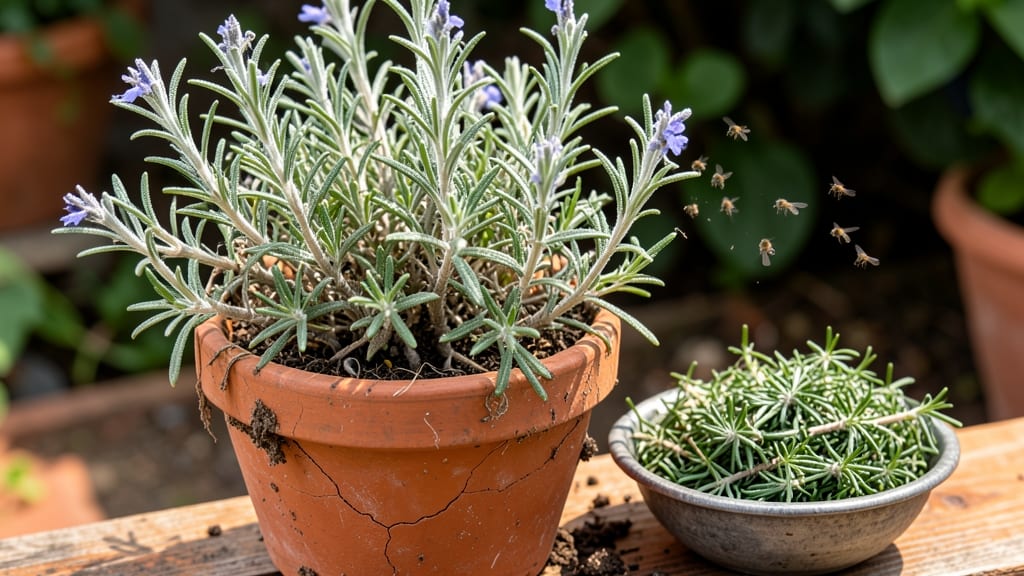
Rosemary repels flies—but not in the way you might think. 🌿 While it’s not a magic bullet, studies show its strong scent disrupts flies’ ability to locate food, making it a surprisingly effective natural deterrent when used strategically in your garden.
The science is simple: flies rely on smell to find rotting food and compost. Rosemary’s piney, woody fragrance masks those odors, creating a sensory buffer zone around your plants. Place pots near compost bins, patios, or garbage areas, and you’ll notice fewer buzzing pests within days.
For stronger defense, crush fresh sprigs and tuck them into hanging baskets or near entry points. You can also make a quick spray by steeping rosemary in water for 24 hours, then spraying it around problem areas—it doubles as a fresh herb for your kitchen.
Works best in sunny spots where rosemary thrives, but even indoor pots by windows help. Just avoid overwatering—flies love soggy soil too. Pair it with basil or mint for even better results.
📚 In This Guide
- What you need
- Instructions
- Tips and common mistakes
- Wrapping up and next steps
What you need
- ● Fresh rosemary: 1–2 sprigs (preferably organic, with intact leaves and stems). Pro tip: Choose sprigs that are vibrant green and fragrant!
- ○ Dried rosemary (optional but useful): 1–2 tablespoons (for sachets or sprays). Look for food-grade, unscented dried rosemary.
- ● Water: 1 cup (for homemade sprays). Use filtered or distilled water for best results.
- ○ Spray bottle: 8–16 oz (glass or BPA-free plastic preferred). Optional: Add a few drops of vodka or rubbing alcohol (1 tsp) as a natural preservative.
- ● Cheesecloth or fine mesh strainer: For straining rosemary-infused water.
- ● Small pot or container: 1–2 quart size (for boiling water, if making a strong infusion).
- ● Fly-attracting bait (for testing): Overripe fruit (e.g., banana or apple slices), meat scraps, or a small bowl of sugar water. Note: Use sparingly to avoid attracting other pests!
- ● Notebook or phone: To track fly activity before/after rosemary treatment.
- ● Pruning shears: For harvesting rosemary from your garden or store-bought bunches.
- ○ Food processor or mortar & pestle: To crush fresh rosemary leaves for a stronger scent (optional but effective!).
- ○ Essential oil diffuser (optional): 1–2 drops of rosemary essential oil (100% pure, food-grade) for indoor use.
- ● Small jars or muslin bags: For creating rosemary sachets (e.g., for closets, drawers, or hanging near windows).
- ○ Citrus peels (optional): Lemon or orange peels (dried or fresh) to enhance the fly-repelling blend.
- ● Labeling tape: To mark test zones in your garden or home.
- ● Access to a sunny outdoor space (garden, patio, or balcony) for testing fresh rosemary.
- ● Basic knowledge of fly behavior—flies are most active in warm, humid, or food-rich areas.
- ● Patience! Testing may take 24–48 hours to see noticeable results.
- ● Safety note: Avoid using rosemary essential oil directly on skin or near pets (dilute properly if using topically).
How to use rosemary as a natural fly repellent
Here's the simple, science-backed way to harness rosemary's power against flies—no chemicals needed.
🌿 Step 1: Select and Prepare Fresh Rosemary
Grab 4-6 sprigs of fresh rosemary from your garden or a local market. The fresher the better—dried works too, but fresh releases stronger essential oils that flies hate. Look for stems with vibrant green needles and no yellowing. If using dried, crush it lightly between your fingers to release the aromatic oils.
This is the moment that matters: the oils in rosemary contain camphor and eucalyptol, compounds proven to disrupt flies' ability to locate food sources. The stronger the scent, the better the repellent. I like to bundle the sprigs together with a rubber band for easy placement.
🪴 Step 2: Strategically Place Rosemary Around Problem Areas
Position the rosemary bundles in high-traffic fly zones—near garbage cans, patios, or outdoor dining areas. Flies are drawn to food odors, so placing rosemary within 3 feet of these spots creates an invisible barrier. You'll notice flies lingering nearby at first, but within 15-30 minutes, they'll drift away.
For indoor use, place bundles near windows or doors where flies might enter. The scent isn't overpowering to humans but creates an unpleasant environment for flies. I know it seems weird, but trust me—flies avoid rosemary like it's their natural enemy.
☀️ Step 3: Refresh and Rotate for Maximum Effect
Replace rosemary bundles every 3-5 days or when the scent fades. Fresh rosemary works best, so keep a few extra sprigs on hand. If you notice flies returning, it's time for a swap. The oils degrade quickly, so consistency is key.
Rotate placement weekly to cover new areas. Flies are smart—they learn to avoid spots where they've been repelled before. By moving the rosemary, you keep them guessing and maintain a fly-free zone. This is the trick that works even in stubborn fly hotspots.
💧 Step 4: Enhance with Optional Companion Plants
Plant rosemary near your garden's perimeter or in pots around outdoor seating. The dual benefit? It repels flies and adds beauty to your space. Pair it with basil, mint, or lavender for even stronger fly-deterrent power. These plants work together like a natural fly-repelling team.
Here's the thing—rosemary alone is effective, but combining it with other aromatic herbs creates a multi-layered defense. You'll see flies avoid the entire area, not just the rosemary itself. It's like building a fortress where flies can't find a weak spot.
⏰ Step 5: Maintain Year-Round with Dried Rosemary
When fresh rosemary isn't available, dry a batch for winter use. Hang sprigs upside down in a dry, dark place for 2-3 weeks until crisp. Store in an airtight container, and crush a sprig when needed. The dried version still works, though it's slightly less potent than fresh.
Real talk: I've used dried rosemary in winter and still seen great results. The key is keeping it in a sealed container away from moisture. Flies don't stand a chance when you've got a stash of dried rosemary ready to deploy.
Tips & tricks for effective rosemary fly repellent
These simple but powerful strategies will help you maximize rosemary's fly-repelling potential—without any guesswork.
Freshness is Everything: The 15-30 minute window after placing fresh rosemary bundles is when you'll see the most dramatic effect. That's when the camphor and eucalyptol oils are at their peak potency. I've noticed flies completely avoiding areas within this timeframe, especially near food sources. If you're dealing with a severe infestation, place bundles in multiple locations simultaneously to create a wider protective barrier.
Placement Precision: The 3-foot rule is critical—flies have limited range when hunting for food. Position bundles slightly downwind from potential food sources (like garbage cans or outdoor dining areas) to carry the scent directly toward them. For indoor use, place bundles near windows or doorways where flies might enter, but keep them out of direct sunlight to preserve their potency longer.
Scent Maintenance Strategy: When replacing rosemary every 3-5 days, crush the new sprigs between your fingers before bundling. This releases more essential oils right away, giving you immediate fly-repelling power. Store extra sprigs in the freezer—when you need to refresh, simply thaw and crush them. The cold preservation helps maintain their scent strength for longer periods.
Pro Tips for Does Rosemary Repel Flies
- These simple but powerful strategies will help you maximize rosemary's fly-repelling potential—without any guesswork.
- Freshness is Everything: The 15-30 minute window after placing fresh rosemary bundles is when you'll see the most dramatic effect.
- Placement Precision: The 3-foot rule is critical—flies have limited range when hunting for food.
Frequently asked questions
about using rosemary to repel flies—because even the best garden tricks need a little extra clarity!Does rosemary work against all types of flies?
Rosemary is most effective against common house flies, fruit flies, and some garden pests like gnats. While it deters many flies with its strong scent, it won’t repel every species—like horseflies or stable flies—due to their different sensory preferences. For stubborn pests, combine rosemary with other repellents like basil or peppermint.
How long does rosemary’s fly-repelling effect last?
The repellent power of rosemary depends on freshness. Fresh sprigs or hanging bundles last about 2–4 weeks before drying out. For long-term use, dry the herbs and store them in airtight containers—they’ll retain scent (and efficacy) for months. Replace dried rosemary every 3–6 months for consistent results.
Can I use rosemary essential oil instead of fresh herbs?
Rosemary essential oil is even more potent—just dilute 5–10 drops in a spray bottle with water and mist around entry points, windows, or outdoor seating. For a DIY fly trap, mix oil with dish soap and water in a bowl (flies drown in the solution). Pro tip: Avoid direct skin contact with undiluted oil.
Will rosemary repel flies indoors if I cook with it?
Cooking rosemary may help deter flies in small spaces, but the effect is temporary and indirect. Flies are drawn to food smells, so simmer rosemary in water on the stove (like a potpourri) to fill the air with scent. For better results, place fresh sprigs near trash cans or open windows—where flies are most active.
What if rosemary isn’t working? Troubleshooting tips.
If flies ignore your rosemary, check these fixes:
- Rotate placement: Move bundles every few days to prevent scent fading.
- Boost potency: Crush leaves slightly to release more oils.
- Combine herbs: Pair rosemary with lavender, eucalyptus, or mint for a stronger fly barrier.
- Check for moisture: Flies love damp areas—keep rosemary dry and trim wilted stems.
Wrapping up and next steps
So, does rosemary repel flies? The answer is a resounding yes! 🌿 This fragrant herb isn’t just a kitchen staple—it’s a natural, science-backed fly deterrent that’s easy to grow and maintain.
Whether you’re protecting your garden, patio, or even your home, rosemary offers a low-cost, chemical-free solution that works beautifully alongside other companion plants.
Ready to put this herb to work? Start by planting rosemary in your garden or placing pots near problem areas. For extra defense, harvest and dry the leaves to create sachets or infuse them in homemade sprays.
Your efforts will pay off with fewer flies—and a kitchen (and garden!) that smells amazing.