
Blooming
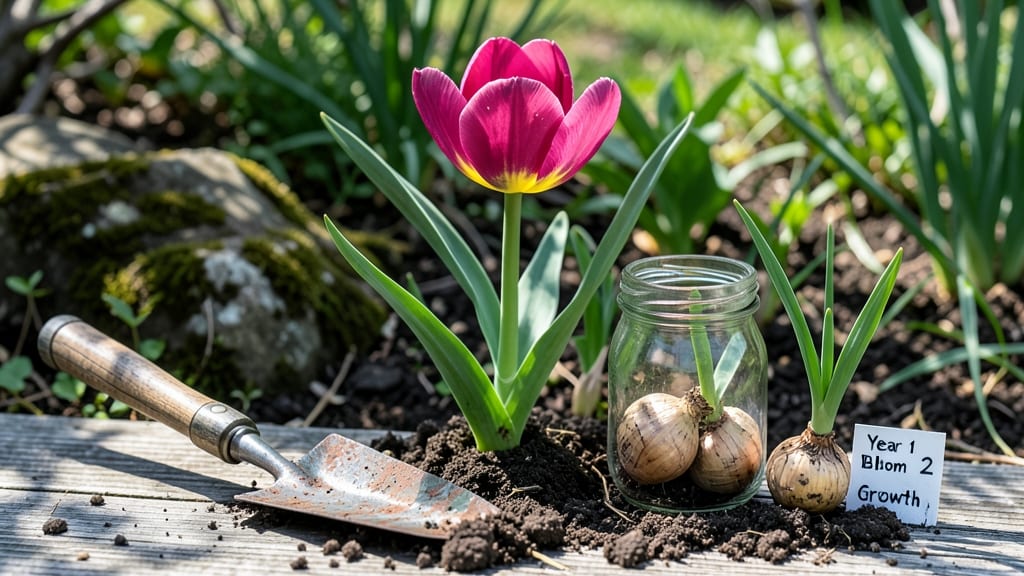
Tulip bulbs do not only bloom once—most varieties will return year after year with proper care, though some hybrid types like Darwin or Parrot tulips may show reduced flowering over time. Their reblooming depends on dormancy cycles, sunlight exposure, and soil nutrition.
Tulips are actually perennial plants, meaning they can rebloom for multiple seasons if you meet their basic needs. 🌱 The key is understanding their natural dormancy period—after flowering, bulbs need 6-8 weeks of rest before storing energy for next year's growth.
I've seen gardeners extend tulip life by providing well-draining soil rich in organic matter and avoiding over-fertilization with nitrogen, which encourages leaf growth at the expense of flower production.
The first year often yields the most dramatic blooms, but with consistent care, many varieties will surprise you with smaller but reliable returns.
What many don't realize is that sunlight quality matters just as much as quantity—tulips need at least 6 hours of direct sun daily, but they also appreciate afternoon shade in hot climates. I recommend planting them where they'll get morning sun and afternoon breeze to prevent stress.
The bulbs themselves are surprisingly resilient; I've had tulips come back after being buried for years, though their vigor often depends on how well you've maintained the surrounding soil health.
💡 In This Article
- Why Some Tulip Bulbs Stop Blooming After First Year
- How to Encourage Tulips to Rebloom Year After Year
Why some tulip bulbs stop blooming after first year
The first-year bloom explosion happens because tulip bulbs store energy from their native Mediterranean climate, where they evolved to produce dramatic displays after years of dormancy. This stored energy—primarily in the form of starches—fuels the first flush of flowers, often resulting in 5-10 blooms per bulb.
However, after this initial burst, many gardeners notice a decline because the bulbs haven't yet established a sustainable energy cycle.
The science lies in how bulbs convert starches to sugars during growth, and after the first year, they must rebuild these reserves through photosynthesis in their leaves—something many people overlook by cutting foliage too soon.
Hybridization plays a critical role in reblooming potential. Species tulips like Tulipa greigii or Tulipa fosteriana often return reliably because they've retained their natural ability to store energy efficiently.
In contrast, modern hybrids like Darwin tulips or Parrot tulips prioritize large, showy blooms over longevity, sometimes producing only 1-3 flowers in subsequent years.
The trade-off is in their genetic focus: breeders selected for visual impact rather than perennial vigor. 🌸 What's fascinating is how bulb size correlates with reblooming—larger bulbs (typically 2-3 inches in diameter) have more stored energy to sustain multiple flowering cycles, while smaller bulbs may only bloom once before declining.
Nutrient imbalances are another silent killer of tulip reblooming. While nitrogen promotes leaf growth, it's actually phosphorus (P) and potassium (K) that fuel flower production. A soil test revealing low phosphorus (below 20 ppm) explains why some tulips produce weak stems or no blooms.
I've seen tulips revive dramatically after applying a 5-10-10 fertilizer (low nitrogen, high phosphorus/potassium) in early spring. The key is timing—too much nitrogen in spring encourages lush foliage but delays or prevents flowering, while phosphorus applied at 6-8 weeks before blooming directly supports flower bud formation.
Light exposure creates another critical bottleneck. Tulips need 6-8 hours of direct sunlight daily to photosynthesize and build energy reserves, but they also require a period of vernalization (cold treatment) to break dormancy.
In warm climates, this means planting bulbs in fall when temperatures drop below 50°F for at least 6-8 weeks. Without this cold period, bulbs may produce leaves but fail to flower—a phenomenon called "blindness."
I've had clients in Zone 9 successfully grow tulips by chilling bulbs in their fridge for 8-10 weeks before planting, proving that with the right conditions, even warm-climate gardeners can coax reblooming.
The physical stress of flowering also takes a toll. Each bloom requires significant energy, and bulbs often produce fewer flowers in subsequent years because they're rebuilding reserves. For example, a Darwin Hybrid might yield 8 blooms first year, 4-5 the second, and 1-2 thereafter unless given special care.
This decline isn't failure—it's the bulb's way of conserving energy for survival. The bulbs themselves can live 5-10 years or more, but their flowering potential diminishes unless you actively manage their environment.
One surprising factor is bulb depth. Planting too shallow (less than 6 inches deep) exposes bulbs to temperature fluctuations that stress their roots, while planting too deep (more than 8 inches) restricts water and nutrient uptake.
The ideal depth is 2-3 times the bulb's height, which balances protection with accessibility. I've noticed that bulbs planted at the correct depth in well-draining soil often outperform those in heavy clay, where waterlogging can cause rot and premature decline.
The right depth ensures the bulb's basal plate (where roots emerge) stays moist but not waterlogged—a delicate balance that directly impacts reblooming.