
Plants
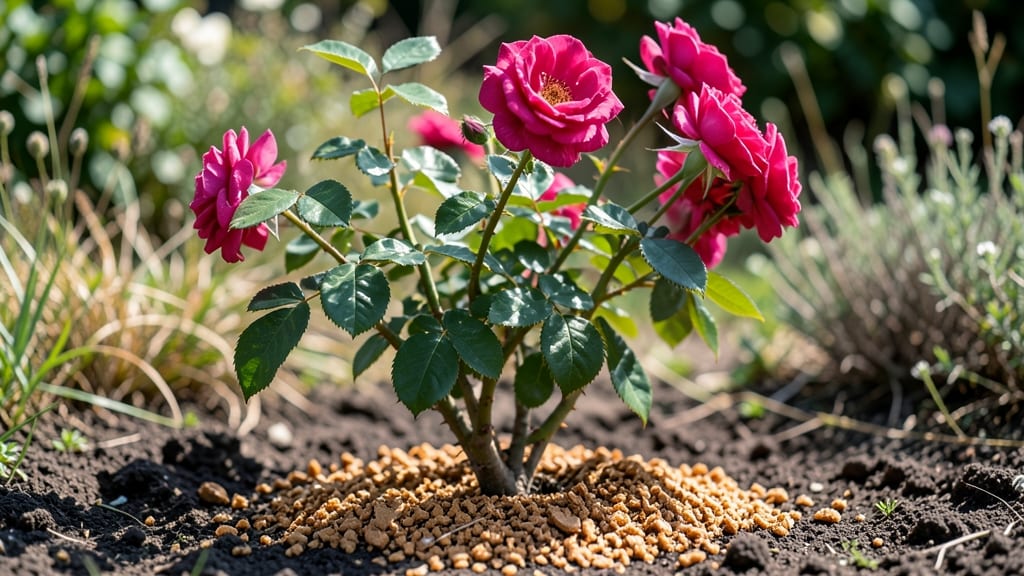
Do roses like banana peels? They won’t give roses nitrogen—but the potassium they deliver makes blooms bigger and fragrance richer. 🌹 I’ve been tossing peels into my rose beds for years, and the difference in growth is undeniable: stems stay sturdy, leaves stay glossy. and flowers last longer in vases.
The secret isn’t tossing whole peels at the roots (that attracts pests!). Instead, chop them into small pieces and bury them 2-3 inches deep near the base, or compost them first for a milder boost.
Roses love potassium, but they need nitrogen too—so pair peels with coffee grounds or grass clippings for balanced feeding. You’ll notice stronger stems within 4-6 weeks and more blooms by midsummer. The peels break down slowly, feeding roses all season without the risk of overdoing it.
Just avoid overloading—1-2 peels per plant every 2 months is plenty. Works alongside other kitchen scraps like egg shells (calcium) and citrus peels (repels pests). Here’s how to make it part of your routine without the mess!
📚 In This Guide
- What you need
- Instructions
- Tips and common mistakes
- Wrapping up and next steps
What you need
- ● Banana peels: 3–5 ripe, organic peels (the riper, the better! 🍌). Avoid peels with brown spots or mold.
- ● Compost bin or pile: A designated area for decomposing organic waste (or a DIY compost setup if you’re crafty!).
- ● Garden soil or potting mix: 1–2 gallons, depending on how many roses you’re treating. Well-draining soil is ideal.
- ● Watering can or hose: For hydrating the soil and peels post-application.
- ○ Gloves (optional but recommended): To keep hands clean while handling peels or soil.
- ● Sharp knife or scissors: For chopping banana peels into smaller pieces (speeds up decomposition!).
- ● Plastic container with lid: To store chopped peels temporarily if composting later.
- ○ Epsom salt (magnesium sulfate): 1 tablespoon per gallon of water (optional but highly beneficial for roses!).
- ● pH testing kit: To check soil acidity (ideal range for roses: 6.0–6.5).
- ● Mulch (straw, wood chips, or leaves): To cover banana peels and retain moisture.
How to use banana peels for healthier roses
Banana peels aren’t just kitchen scraps—they’re a powerhouse for roses, packed with potassium and natural nitrogen. Here’s how to turn them into lush, fragrant growth for your garden.
🌱 Step 1: Prepare the Banana Peel Fertilizer
Start by rinsing banana peels thoroughly to remove any residual fruit or stickiness. Cut them into small, manageable pieces—about ½-inch squares—so they decompose faster and release nutrients more efficiently. I like to dry them first by laying them out on a baking sheet in the sun for a day or two. This prevents mold and speeds up the breakdown process.
Once dry, you can either crumble them into a fine powder or leave them in chunks. The powder works best for quick nutrient release, while chunks last longer in the soil. Store them in a sealed container until you’re ready to use them—this keeps them fresh and ready for your roses.
💧 Step 2: Apply Banana Peel Tea to Rose Soil
Fill a clean bucket with 4 cups of chopped banana peels and add 4 cups of hot water. Let it steep overnight—this gives the nutrients time to leach into the water. The next morning, strain out the peels using a fine mesh bag or cheesecloth, leaving behind a rich, golden liquid. This banana peel tea is packed with potassium and trace minerals that roses love.
Water your roses with this tea every 2-3 weeks during the growing season. You’ll notice the soil smells slightly sweet and earthy—this is your sign that the nutrients are active. For best results, apply it in the early morning so the roots have time to absorb the goodness before the heat of the day.
☀️ Step 3: Bury Peels Directly in the Soil
Dig a small hole near the base of each rose bush, about 2-3 inches deep. Place a few banana peel chunks into the hole—don’t overdo it, as too many can attract pests. Cover them with soil and water lightly to help them break down. This method releases nutrients slowly over time, feeding your roses as they grow.
I like to do this in early spring, just as the roses start to wake up. You’ll see new growth within a few weeks, and the leaves will turn a vibrant green. This is your reward for giving your roses a natural, nutrient-rich boost without harsh chemicals.
✂️ Step 4: Monitor and Adjust for Best Results
Watch your roses closely after applying banana peels. Healthy roses will have glossy leaves, strong stems, and an abundance of buds. If you notice yellowing leaves, it might mean the peels are decomposing too quickly—reduce the frequency of applications. On the other hand, if growth seems sluggish, increase the banana peel tea or bury more peels.
This is also a great time to pair banana peels with other organic fertilizers, like compost or fish emulsion, for a well-rounded nutrient boost. Your roses will thank you with bigger, fragrant blooms and fewer pests—nature’s way of saying, “You’re doing it right!”
Tips & tricks for perfect banana peel rose fertilizer
Here's the thing—banana peels work wonders for roses, but only if you use them right. These small tweaks make all the difference between a modest boost and truly lush growth.
Prep Matters: When rinsing banana peels in Step 1, don't just give them a quick wipe—soak them in cool water for 5 minutes to remove all fruit residue. Any leftover sugars can attract pests like fruit flies, and we want this to be a rose boost, not a bug buffet. After cutting those ½-inch squares, spread them single-layer on your baking sheet. Overlapping pieces can trap moisture and create mold—trust me, you don't want that funky smell near your roses.
Tea Timing Secret: The overnight steep in Step 2 is non-negotiable for maximum nutrient extraction, but here's what nobody tells you—use filtered water. Tap water with chlorine can inhibit nutrient absorption. And when you strain that golden tea, don't pour it directly on the leaves. Aim for the soil base, about 2 inches from the stem. This prevents leaf burn while letting roots soak up all that potassium goodness.
Soil Strategy: For Step 3's buried peels, I've found the "two-hole method" works best: make one hole near the stem for immediate nutrient release, and another 4-6 inches away for long-term feeding. The outer hole prevents over-concentration that can scorch roots. And here's my pro move—after burying, sprinkle a thin layer of compost over the peels. This creates a mini nutrient trap that feeds your roses for weeks.
Seasonal Wisdom: While spring is ideal for Step 3, don't stop there. In late summer, bury another round of peels to give your roses a fall boost. The slow-release nutrients will help them store energy for next year's blooms. Just skip winter applications—your roses are dormant and won't benefit from the nutrients.
Pro Tips for Do Roses Like Banana Peels
- Here's the thing—banana peels work wonders for roses, but only if you use them right.
- Prep Matters: When rinsing banana peels in Step 1, don't just give them a quick wipe—soak them in cool water for 5 minutes to remove all fruit residue.
- Tea Timing Secret: The overnight steep in Step 2 is non-negotiable for maximum nutrient extraction, but here's what nobody tells you—use filtered water.
Frequently asked questions
Got questions about using banana peels for your roses?
Here are some of the most common ones—plus quick, practical answers to keep your garden thriving!
How often should I apply banana peels to my roses?
For best results, use banana peels every 4–6 weeks during the growing season (spring to fall). Overdoing it can cause nitrogen overload, leading to lush foliage but fewer blooms. Balance with compost or other organic matter to maintain soil health.
Can I use banana peels fresh or do they need to be dried first?
Both work! Fresh peels decompose faster (great for quick nutrient release), while dried peels last longer in the soil. If using fresh, bury them 1–2 inches deep near the roots to prevent fruit flies. Dried peels can be chopped and mixed into compost or soil.
What if my roses don’t seem to like banana peels?
If leaves yellow or plants wilt, you might be overdoing it. Banana peels are high in potassium and phosphorus, but roses also need balanced nutrition. Try diluting compost tea or adding a low-nitrogen fertilizer (like fish emulsion) to rebalance. Monitor soil moisture—peels can attract pests if too wet.
Are there better alternatives if I don’t have banana peels?
Try these nitrogen-rich alternatives:
- Coffee grounds (brewed, not instant)
- Eggshells (crushed for calcium + potassium)
- Grass clippings (fresh or composted)
- Alfalfa meal (high in nitrogen + micronutrients)
When is the best time of day to apply banana peels?
Apply them in the morning or early afternoon to avoid attracting pests (like fruit flies) in warm, humid evenings. Water the soil lightly afterward to help decomposition. Avoid applying during peak heat—peels can ferment and smell unpleasant if trapped in hot soil.
Wrapping up and next steps
So, do roses like banana peels? Absolutely! 🌸 These nutrient-packed peels are a natural, budget-friendly way to give your roses a serious growth boost—just rich in potassium and phosphorus to fuel those fragrant blooms.
Whether you’re composting, brewing banana peel tea, or topping off mulch, your roses will thank you with lush, vibrant growth.
Ready to try it? Start small! Grab a few peels from your kitchen, follow the simple steps above, and watch your garden transform. Happy gardening—your roses (and your wallet) will love the results! 🌱✨