
Pruning
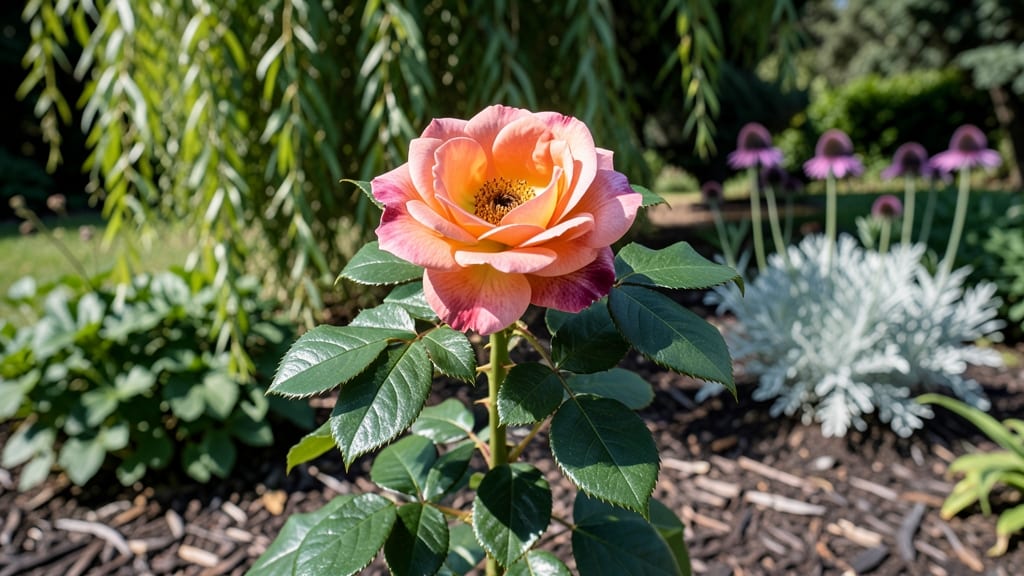
Your garden just got its most striking centerpiece—a Frida Kahlo rose bush with blooms as bold as her brushstrokes. 🌹 This isn’t just a plant; it’s a living tribute to resilience, color, and Mexican heritage that transforms any space into an art gallery.
The deep reds, fiery oranges, and velvety blacks echo her iconic self-portraits, making every pruning session a creative act. Pair it with dahlias in cobalt blue and salvias in emerald green for a palette straight from her paintings.
The contrast creates drama while keeping the look cohesive—think of it as a garden that tells a story. Even in winter, the thorny stems add architectural interest, proving beauty isn’t seasonal. You’ll spend less time pruning and more time admiring the results.
The key? Light shaping—just enough to encourage dense, vibrant blooms without sacrificing the bush’s natural form. It’s the perfect blend of structure and wild artistry, turning your yard into an open-air exhibition. Works in containers for patios or as a border for artistic pathways.
Here’s how to make it the star of your outdoor canvas—no green thumb required.
📚 In This Guide
- What you need
- Instructions
- Tips and common mistakes
- Wrapping up and next steps
What you need
- ● Rose Bush: A healthy, disease-resistant climbing or hybrid tea rose (e.g., 'Double Delight' or 'Julia Child' for bold blooms). Quantity: 1
- ● Pruning Shears: Sharp, bypass-pruning shears (3.5–5 inches) for clean cuts. Quantity: 1 pair
- ● Gloves: Heavy-duty gardening gloves (to protect from thorns and sap). Quantity: 1 pair
- ● Disinfectant: 70% isopropyl alcohol or a 10% bleach solution (to sterilize tools between cuts). Quantity: Small bottle
- ○ Pruning Sealer: Optional but recommended (e.g., tree wound paint) to prevent infection. Quantity: Small jar
- ● Stakes or Trellis: Sturdy supports (4–6 feet tall) for climbing roses. Quantity: 2–4 stakes
- ● Rose Food: Slow-release fertilizer (10-10-10 or organic options like composted manure). Quantity: 1 bag
- ● Mulch: Organic mulch (wood chips or straw) to retain moisture. Quantity: 2–3 inches
- ● Frida-Inspired Paint: Non-toxic acrylic paint (for adding artistic touches to the trellis or pot). Colors: Deep reds, greens, and golds
- ● Decorative Pot: A vibrant, oversized planter (e.g., terracotta or colorful ceramic) to match Frida’s bold aesthetic.
- ● Birdhouse or Wind Chimes: To add whimsy and encourage garden life. Quantity: 1–2
- ● Camera or Sketchbook: To document your masterpiece! 📸✏️
How to prune a Frida Kahlo-inspired rose bush for stunning year-round blooms
Here's the method I use to keep roses vibrant, healthy, and full of Frida Kahlo's signature bold beauty.
✂️ Step 1: Prepare Your Tools and Timing
Grab your sharp pruning shears and clean them with rubbing alcohol to prevent spreading disease. I always prune on a clear, dry day—never when rain is forecasted. The best time for major pruning is late winter or early spring, just as new growth begins. For year-round blooms, do a light trim every 6-8 weeks to encourage continuous flowering.
Wear gloves to protect your hands from thorns and bacteria. I like to sanitize my shears after each cut to keep my roses healthy. If you notice any dead or diseased wood, set those aside for disposal—never compost them.
☀️ Step 2: Prune for Shape and Airflow
Start by removing any dead, damaged, or crossing branches. I always work from the inside out, opening up the center of the bush to allow sunlight and air to reach all parts. Aim for an open, vase-like shape—this mimics the dramatic, flowing forms in Frida Kahlo's paintings.
Cut just above an outward-facing bud or leaf junction at a 45-degree angle. This encourages new growth to spread outward rather than inward. If a branch is too thick to cut with shears, use a saw and make the cut at the same angle. Avoid leaving stubs—always cut cleanly.
🌿 Step 3: Encourage Continuous Blooming
For year-round blooms, trim back one-third of the oldest wood in late winter to stimulate fresh growth. Then, every 6-8 weeks, cut back the faded blooms just above the next set of leaves. This keeps the bush producing new flowers instead of focusing energy on seed development.
Watch for new growth emerging from the base of the plant—this is your signal that the pruning is working. If you see leggy stems reaching for light, your rose needs more sunlight or a lighter trim next time. I like to step back every few cuts to check the overall shape and balance.
💧 Step 4: Post-Pruning Care for Recovery
After pruning, water deeply to help the plant recover. I give my roses a slow, thorough soak to encourage root growth. Avoid fertilizing immediately after pruning—wait until new growth appears, usually within 2-3 weeks. A balanced rose fertilizer will keep your bush thriving and blooming.
Keep an eye out for pests like aphids or spider mites, which love fresh new growth. A strong spray of water can often dislodge them, but if they persist, use an organic insecticidal soap. Mulch around the base of the plant to retain moisture and protect roots from temperature swings.
Tips & tricks for perfect Frida Kahlo-inspired rose pruning
Here's what I've learned after years of shaping roses to channel Frida Kahlo's bold, artistic spirit.
Timing Secret: The 6-8 week maintenance trims in Step 1 are non-negotiable for continuous blooms. I mark my calendar with Frida's birthday (July 6) as a reminder—her vibrant spirit inspires my pruning schedule. Early morning is ideal for cutting when stems are firm and diseases are less active. Never prune in wet conditions or you risk fungal infections that can ruin your artistic vision.
The Technique That Changed Everything: When cutting at the 45-degree angle in Step 2, visualize Frida's dramatic brushstrokes—each cut should flow outward like her iconic self-portraits. I use the "third bud" rule: count three buds from the base before making your cut. This creates the perfect balance between artistic form and botanical function. For thick branches, I make two cuts: the first shallow to prevent tearing, then the final clean cut at the right angle.
Artistic Pruning Wisdom: Frida's work often featured roses in bold, open compositions. Mimic this by removing any branches growing inward or crossing others in Step 2. Think of your rose bush as a living canvas—every cut should enhance the overall shape. I like to step back every few minutes to check the balance, just as Frida would step back from her easel to assess her work.
Post-Pruning Care: After your deep watering in Step 4, I swear by a light application of compost around the base—this mimics the rich earth tones Frida loved in her Mexican landscapes. The 2-3 week wait before fertilizing is crucial; new growth needs time to establish before receiving extra nutrients. I also keep a spray bottle of neem oil handy for those pesky aphids that seem to appear right after pruning, just like the challenges Frida faced in her life's journey.
Pro Tips for Frida Kahlo Rose Bush
- Here's what I've learned after years of shaping roses to channel Frida Kahlo's bold, artistic spirit.
- Timing Secret: The 6-8 week maintenance trims in Step 1 are non-negotiable for continuous blooms.
- The Technique That Changed Everything: When cutting at the 45-degree angle in Step 2, visualize Frida's dramatic brushstrokes—each cut should flow outward like her iconic self-portraits.
Frequently asked questions
about growing a Frida Kahlo rose bush—your vibrant, art-inspired garden staple!What’s the best time to prune my Frida Kahlo rose bush for blooms?
Prune your Frida Kahlo rose bush late winter or early spring (before new growth starts) to shape it and encourage blooms. A light summer trim (after flowering) keeps it tidy. Avoid heavy pruning in fall—it stresses the plant before winter. Think of it like giving your rose a fresh canvas for spring’s masterpiece!
How do I prune for that iconic Frida Kahlo “painting” look?
For a bold, artistic shape, prune selectively—cut back one-third of the oldest canes to the ground to reveal new growth. Leave some uneven layers (like Frida’s layered self-portraits) by trimming branches at different heights. Use sterilized shears for clean cuts, and step back often to assess symmetry.
Should I prune my rose bush in winter?
No! Winter pruning hurts your rose—it’s dormant and vulnerable to cold damage. Wait until late winter (when temps rise above freezing) or early spring (when buds swell). If you must act in winter, just remove dead/diseased wood gently. Patience pays off for a Frida Kahlo rose that blooms like a masterpiece!
What if my rose bush isn’t blooming as much as I’d like?
Check these fixes:
- Light: Ensure 6+ hours of sun daily—roses crave sunlight like Frida craved color!
- Water: Keep soil consistently moist (not soggy) during growing seasons.
- Fertilizer: Use a rose-specific feed in spring/summer for nutrients.
- Pruning: Over-pruning = fewer blooms. Aim for 25-30% of old wood removal max.
Can I grow a Frida Kahlo rose bush in a container?
Choose a large pot (15+ gallons) with drainage holes and use well-draining potting mix. Prune more aggressively (containers limit root growth) and water frequently (containers dry out faster). Move indoors in winter if temps drop below 20°F. Just like Frida’s bold self-expression, containers let you take your art anywhere!
Wrapping up and next steps
Frida Kahlo’s iconic roses aren’t just a symbol of resilience—they’re a masterclass in art-inspired pruning that brings vibrant blooms year-round. By embracing her bold techniques—like strategic cuts, seasonal shaping, and a touch of whimsy—you can transform your garden into a living tribute to her legacy. 🌹✨
Ready to bloom like Frida? Start small: pick one bush, gather your tools, and prune with confidence. Every snip is a stroke of creativity—so let your garden tell your story, one petal at a time.
- Next step: Sketch your pruning plan on paper (yes, like Frida’s sketches!) and schedule your first session.