
Blooming
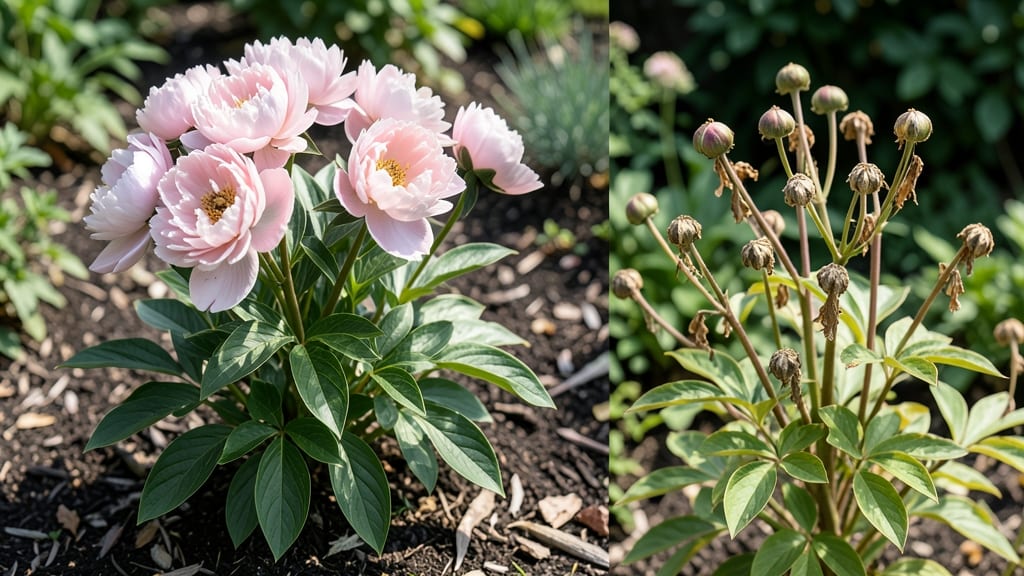
Peonies do bloom only once a year, typically in late spring, because their flowers develop from buds created the previous summer. This single bloom cycle is genetically programmed, ensuring vibrant displays during their peak seasonal window.
This annual blooming pattern isn't just about timing—it's a survival strategy. 🌸 Peonies store energy in their thick roots during winter, then channel it into a spectacular spring show. The trade-off? After their single burst of color, they enter a dormant phase until next year.
What's fascinating is how gardeners can work with this cycle: by choosing early- or late-blooming varieties, you can stretch your peony season from May through July. The key is understanding their biological rhythm rather than trying to force extra blooms.
For those eager to maximize their display, proper care makes all the difference. Well-draining soil rich in organic matter gives peonies the nutrients they need to produce robust buds, while strategic pruning after blooming removes spent flowers without damaging next year's growth.
The result? Healthier plants that reward you with even more dramatic blooms when their time comes.
💡 In This Article
- The Biology Behind Peony’s Single Annual Bloom
- Extending Peony Bloom Time with Gardening Strategies
The biology behind peony’s single annual bloom
Peonies follow this strict once-a-year blooming pattern because their flowers develop from buds formed the previous summer, a process tied to their deep dormancy cycle. During winter, peony roots store energy in the form of starches, creating a biological "battery" that fuels spring growth.
This energy reservoir is critical—without it, the plant wouldn't have the resources to produce its iconic, lush blooms. The timing is precise: buds begin forming in late summer when day lengths shorten, and they remain dormant until temperature cues trigger growth in spring.
The hormonal trigger for blooming comes from a protein called florigen, produced in leaves when exposed to 12-14 hours of daylight (a process called photoperiodism). Once florigen reaches the buds, it activates flowering genes, but peonies only have one major bloom cycle because their energy budget is finite.
After blooming, they redirect resources to root and foliage growth, preparing for next year's buds. This is why you'll never see peonies rebloom in the same season—they've already spent their "energy budget" on that single spectacular display.
Temperature plays a crucial role in regulating this cycle. Peonies require chilling hours (300-900 hours below 45°F) during winter to break dormancy, which explains why they thrive in temperate climates. Without adequate cold exposure, buds may fail to develop properly.
The interplay between temperature and daylight creates a biological clock that ensures peonies bloom at their optimal time—typically late April to June, depending on variety and location. This precision is what makes peonies so reliable for gardeners seeking predictable seasonal color.
What makes this even more fascinating is how peonies balance bloom time with longevity. While they only flower once yearly, their roots can live for decades, continuously producing new buds each summer. This dual strategy—short-term spectacle with long-term survival—is why peonies are considered "the queen of perennials."
Their single annual bloom isn't a limitation but rather a carefully evolved strategy to maximize impact when conditions are perfect.
For gardeners, understanding this biology explains why forcing extra blooms is impossible—it's not about "making" peonies flower more, but about working with their natural rhythm.
The key to success lies in creating ideal growing conditions that help them store more energy in their roots, which translates to larger, more vibrant blooms when their time comes. This is why soil quality, sunlight exposure, and proper nutrition become so critical in peony cultivation.
Consider this: A single peony plant might produce 50-100 buds over its lifetime, but only one bloom cycle per year. Each bud represents years of energy storage, making that single spring display all the more spectacular.
The trade-off between frequency and extravagance is what gives peonies their legendary status in gardens worldwide. 🌸