
Blooming
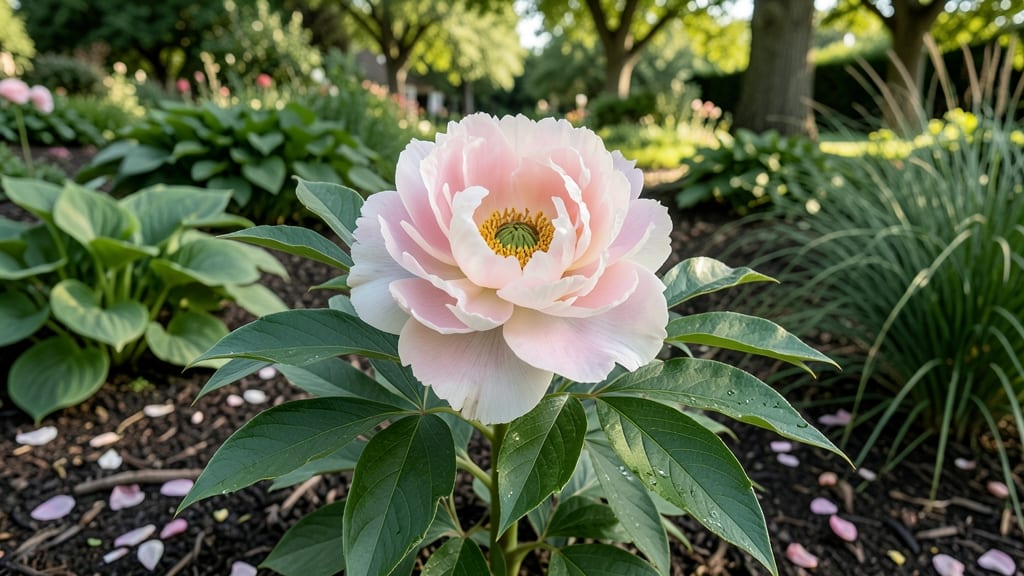
Peonies bloom every year once established, producing their most vibrant flowers between ages 3-5, though some heritage varieties may take longer. Proper deadheading and winter care ensure consistent annual blooms for decades with minimal effort.
Once peonies establish their root systems, they develop a remarkable consistency in blooming patterns, creating stunning displays year after year.
The key to this reliability lies in their root structure—once fully developed, these perennials store enough energy to fuel robust growth and flowering. 🌸 However, not all varieties follow the same timeline; while modern hybrids often bloom annually within 3-5 years, some antique cultivars may require patience, sometimes taking up to 7 years to reach their full flowering potential.
This variance is why gardeners often choose specific varieties based on their desired bloom timeline.
What truly sets peonies apart is their ability to reward long-term care with decades of blooms. Unlike many perennials that decline after a few years, peonies continue thriving when given proper attention to their post-bloom care and seasonal maintenance.
This makes them one of the most rewarding plants for patient gardeners who appreciate low-maintenance yet spectacular results.
💡 In This Article
- Why Some Peony Varieties Bloom Faster Than Others
- Deadheading and Winter Care for Year-Round Peony Blooms
Why some peony varieties bloom faster than others
Peonies belong to two distinct botanical categories—herbaceous and tree peonies—each with unique growth patterns. Herbaceous types die back to the ground each winter but emerge with vigor in spring, typically blooming their first year in 2-3 years after planting.
Their roots develop quickly in the first 1-2 years, storing carbohydrates that fuel early flowering. Tree peonies, however, have woody stems that persist year-round, often taking 3-5 years or longer to establish enough energy reserves for their first substantial bloom.
The timing difference comes down to root mass and energy storage. Herbaceous varieties like 'Bowl of Beauty' can produce 30-50 buds per plant by year 3, while tree peonies like 'Sarah Bernhardt' may only develop 5-10 buds annually until their root systems mature.
The root crown—where stems meet roots—must reach a diameter of at least 2-3 inches for optimal blooming potential. This is why some antique varieties appear slow to bloom: their genetic makeup prioritizes root expansion over early flowering.
Light exposure plays a crucial role too. Peonies need 6-8 hours of full sun daily to trigger blooming hormones called florigen. In shaded conditions, plants may produce fewer buds or delay flowering entirely.
The 10-14°F winter chill period also acts as a biological trigger—without adequate cold exposure, some varieties may skip blooming altogether. This is why gardeners in warmer climates sometimes see delayed or inconsistent flowering patterns.
Color and flower form also influence blooming speed. Double-flowered varieties like 'Duchesse de Nemours' often take 1-2 extra years to reach peak bloom compared to single-flowered types because their complex flower structures require more energy to develop.
The flower's weight matters too—heavy blooms like 'Coral Charm' may need stronger stems, which take additional growing seasons to strengthen.
What most gardeners don't realize is that peony blooming patterns can shift dramatically after 10 years of establishment. Many varieties that took 5 years to bloom may then produce 20-30% more flowers annually as their root systems expand.
This delayed gratification is why peonies are often called "the queen of perennials"—their patience pays off with decades of spectacular displays.
For those eager to see blooms sooner, selecting first-year blooming varieties like 'Krinkled White' can provide flowers within 1-2 years of planting, though these typically produce smaller blooms. The trade-off between speed and abundance is a key consideration when choosing peony varieties for your garden.