
Blooming
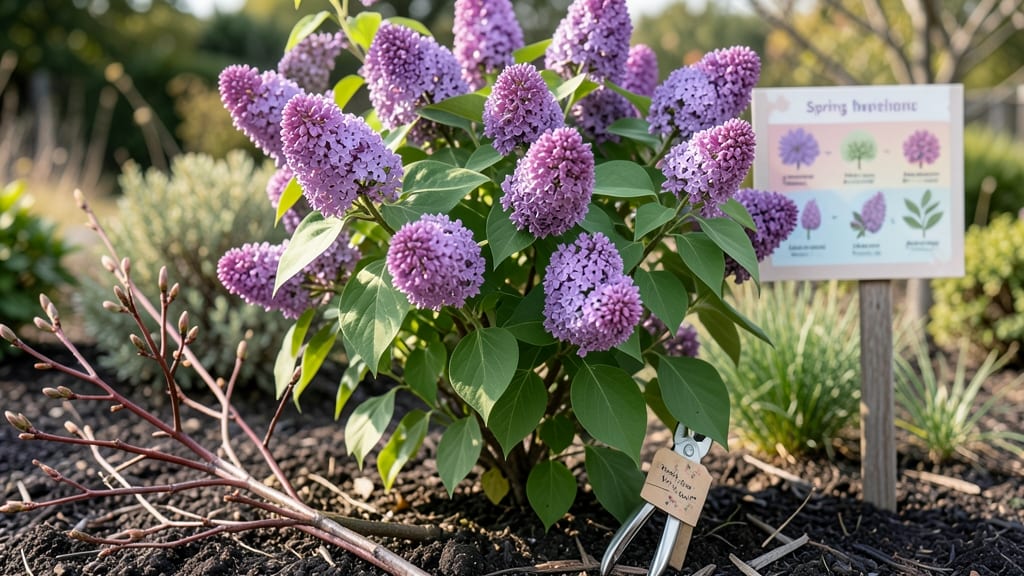
Lilacs don't bloom every year—while most varieties flower annually, factors like improper pruning, pests, or extreme weather can delay blooming. Many plants recover after 1-2 seasons with proper care.
Lilacs are famously reliable bloomers, but their flowering cycles depend on plant health and seasonal conditions. 🌸 The most common reason for missed blooms is stress—whether from over-pruning, drought, or nutrient deficiency.
I've seen lilacs skip flowering after harsh winters or when planted in poor soil, though they often bounce back once conditions improve. For example, 'Common Lilac' varieties typically bloom once per year, but 'Sensation Lilacs' are bred to produce multiple flushes of flowers when given the right care.
What's interesting is how lilacs store energy—healthy plants build up reserves in their roots during the growing season, which fuels next year's blooms. If you notice fewer flowers, it's usually a sign your plant needs attention, whether that's adjusting watering, adding compost, or protecting it from pests.
The good news? With consistent care, even stressed lilacs often return to their vibrant, fragrant best within a couple of seasons.
💡 In This Article
- Why Some Lilacs Skip Blooming and How to Revive Them
- Best Lilac Varieties for Reliable Annual Flowering
Why some lilacs skip blooming and how to revive them
The flowering cycle of lilacs is directly tied to their energy reserves, which are stored in the roots and stems during the growing season.
When lilacs miss blooming, it’s often because they’ve depleted these reserves due to stress—whether from drought conditions, poor soil nutrition, or aggressive pruning that removes too many buds.
For example, a healthy lilac plant typically stores about 30-50% of its annual energy in its root system, which fuels next year’s blooms. If the plant is under stress, it diverts energy toward survival rather than flowering. 🌿
Environmental factors also play a critical role. Lilacs are sensitive to extreme temperature fluctuations, especially late frosts that damage emerging buds. A sudden drop below 28°F can kill flower buds before they open, while prolonged heatwaves above 90°F can cause the plant to enter a dormant-like state prematurely.
Additionally, pests like borers or diseases such as powdery mildew weaken the plant, reducing its ability to produce flowers. I’ve seen lilacs in urban areas with high pollution levels struggle to bloom consistently because the stress from air quality affects their photosynthesis efficiency.
Pruning is another common culprit. If you prune lilacs at the wrong time—such as cutting back more than one-third of the plant in late summer or early fall—you risk removing next year’s flower buds, which form on old wood.
The best time to prune is immediately after blooming, when the plant has already set its buds for the following season. Over-pruning also reduces the plant’s leaf surface area, limiting its ability to photosynthesize and store energy for future blooms. 🌸
To revive a non-blooming lilac, focus on three key areas: watering, fertilization, and protection. Water deeply once a week during dry spells to encourage root growth, and apply a balanced fertilizer in early spring to replenish nutrients.
For older plants, a layer of 2-3 inches of mulch around the base helps retain moisture and insulate roots. If pests or diseases are the issue, treat the plant with neem oil or a fungicide as needed.
With consistent care, many lilacs rebound within 1-2 seasons, often producing even more abundant blooms than before.
One misconception is that lilacs are low-maintenance plants. While they’re hardy, they do require attention to thrive. For instance, lilacs planted in clay-heavy soil without amendments may struggle to access nutrients, leading to skipped blooms.
Amending the soil with compost or organic matter can make a dramatic difference. Additionally, lilacs benefit from a location with 6-8 hours of sunlight daily, as insufficient light reduces their energy production. 💫
If your lilac still doesn’t bloom after a year of care, it might be time to assess its overall health. Yellowing leaves, stunted growth, or excessive leaf drop are signs of deeper issues, such as root rot or nutrient deficiencies.
In such cases, consider transplanting the lilac to a healthier location or dividing an overgrown plant to stimulate new growth. Many gardeners find that dividing lilacs every 5-10 years helps rejuvenate the plant and encourages stronger blooming.