Blooming
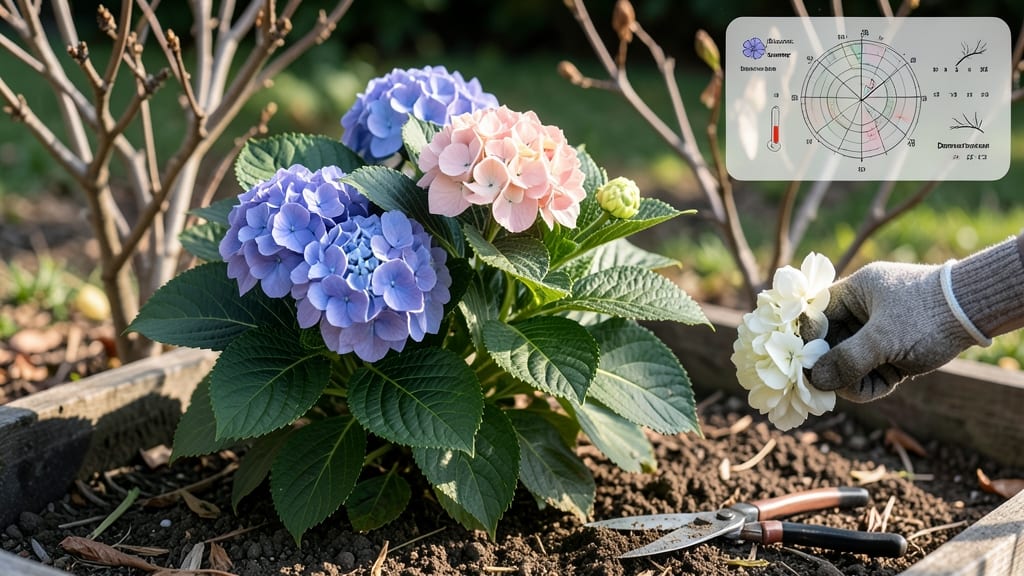
Hydrangeas don't bloom all year naturally—most varieties flower seasonally, typically from spring through summer, with some reblooming types lasting into fall. Their bloom cycles depend heavily on climate, pruning practices, and the specific species.
Hydrangeas follow natural growth cycles tied to seasonal changes, which is why they rarely produce flowers year-round. 🌸 Most varieties enter dormancy in winter, conserving energy for spring blooms, though some like 'Endless Summer' can rebloom with proper care.
The key factors—temperature shifts, daylight hours, and soil conditions—trigger these cycles, making consistent blooms challenging without intervention.
What sets certain hydrangeas apart is their ability to produce two bloom cycles per year: one on old wood (early spring) and another on new growth (late summer).
This dual-flowering trait, common in bigleaf varieties, explains why some gardeners see blooms stretching into fall—but it still requires strategic pruning and optimal growing conditions to maximize results.
💡 In This Article
- Hydrangea Bloom Cycles by Variety and Climate
- Extending Hydrangea Blooms: Pruning and Care Tips
Hydrangea bloom cycles by variety and climate
Hydrangeas follow a biological rhythm tied to temperature and daylight, which explains why they don't bloom year-round. The most common types—like bigleaf hydrangeas—produce flowers on old wood (last year's growth) that bloom in late spring to early summer.
Once those flowers fade, they enter a dormant phase until the next growing season. This cycle is hardwired into their genetics, triggered by chilling hours (typically 500-1,000 hours below 45°F) during winter.
Climate plays a massive role in bloom timing. In USDA zones 4-6, hydrangeas often bloom earlier (May-June) due to colder winters, while in zones 7-9, blooms may stretch into July-August.
Oakleaf hydrangeas, for example, naturally bloom on old wood in late spring but produce a second flush of flowers on new wood in early fall—a trait that gives them their extended season.
Panicle hydrangeas, like 'Little Lime,' are different: they bloom exclusively on new growth, making them more adaptable to pruning for reblooming.
The science behind this involves photoperiodism—how plants respond to daylight length. Hydrangeas need 12-14 hours of daylight to trigger flowering, which is why summer blooms peak during long daylight months.
In regions with mild winters (like zone 9), some varieties may attempt to bloom year-round, but the flowers often appear smaller or less vibrant due to inconsistent chilling. This is why gardeners in warm climates need to simulate winter conditions with shade or cooler microclimates.
Here's how varieties differ in their bloom windows:
- Bigleaf hydrangeas: Primarily bloom on old wood (spring), but reblooming cultivars like 'Endless Summer' produce a second flush on new wood (late summer).
- Oakleaf hydrangeas: Bloom on old wood (late spring) and new wood (early fall), with stunning foliage that turns fiery red in autumn.
- Panicle hydrangeas: Bloom exclusively on new wood, allowing for more flexible pruning to encourage reblooming.
Temperature extremes also impact blooms. A late frost can damage early flowers, while summer heatwaves (above 90°F) can cause buds to drop. This is why hydrangeas in zone 8 often need afternoon shade to maintain consistent blooming.
The key takeaway? Hydrangeas are seasonal plants by nature, but with the right variety and care, you can extend their bloom time by 2-3 months beyond their natural cycle. 🌿
What most gardeners don't realize is that hydrangeas prioritize energy conservation. If they bloom too late in the season, they may not have enough stored nutrients to produce strong flowers the following year.
This is why over-fertilizing in late summer can backfire—it encourages leafy growth at the expense of flower buds. The balance between growth and bloom is delicate, and understanding your specific hydrangea's needs is the first step to maximizing its seasonal display.