
Blooming
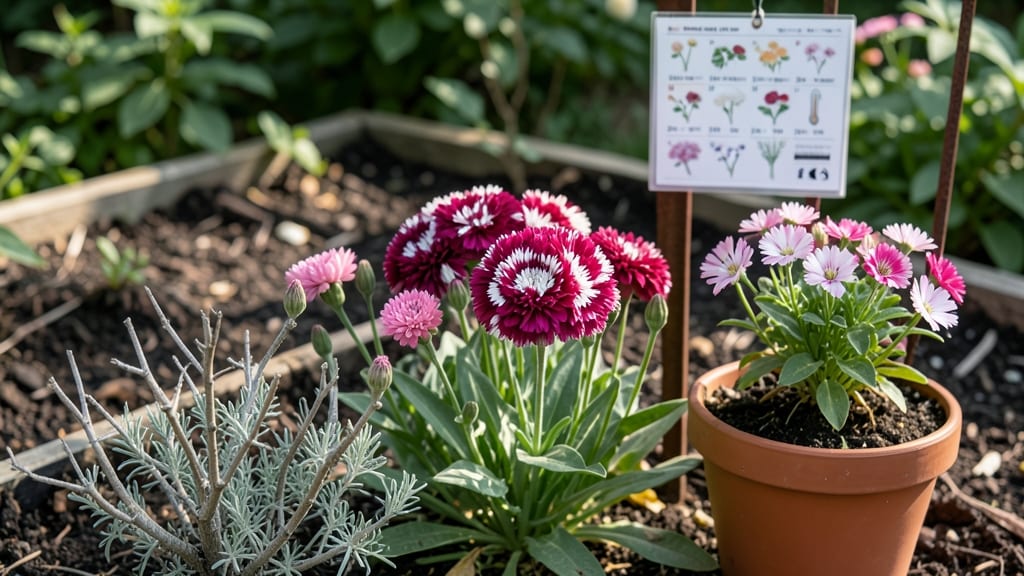
Dianthus do not bloom all year naturally—they follow seasonal cycles, typically flowering from spring through summer, with some varieties reblooming in fall. Their blooming patterns depend heavily on climate and hardiness, with cold-hardy types often entering dormancy in winter.
Dianthus are seasonal bloomers, triggered by environmental cues like temperature shifts and daylight changes. 🌸 Many varieties need a period of cooler weather to reset their growth cycle, which is why you'll see bursts of color in spring and summer.
Some ever-blooming hybrids exist, but even they need proper care to maintain consistent flowering. The key is understanding your specific variety's needs—whether it's cold-hardy or thrives in warmer climates.
What most gardeners don't realize is that proper pruning and fertilizing can actually extend the blooming window. For example, deadheading spent flowers regularly encourages new blooms, while a balanced fertilizer in early spring gives plants the energy they need.
In colder regions, providing winter protection can help some varieties break dormancy earlier in spring, giving you that coveted extended display.
💡 In This Article
- Dianthus Blooming Seasons by Climate Zone
- Extending Dianthus Blooms with Pruning and Care
Dianthus blooming seasons by climate zone
Dianthus blooming cycles are primarily controlled by two key environmental factors: chilling requirements and photoperiod sensitivity. Most varieties need 6-8 weeks of temperatures below 50°F (10°C) to trigger spring flowering, a process called vernalization. This explains why you'll see peak blooms in spring—after winter's natural chilling period.
In warmer climates (USDA zones 8-11), where winter temperatures rarely drop below 50°F, many dianthus varieties may only bloom sporadically or not at all without artificial chilling.
The daylight hours also play a crucial role. Most dianthus are short-day plants, meaning they flower when daylight decreases—typically in late spring and summer. However, some modern hybrids like 'Firewitch' series are day-neutral, producing blooms regardless of daylight length.
This is why you'll find these varieties flowering more consistently in containers or garden beds throughout the growing season. In northern climates (USDA zones 3-6), the natural shortening days of fall can trigger a second flush of blooms in hardy varieties like Dianthus barbatus (sweet william).
Climate zones dramatically affect blooming patterns. In cold-hardy zones (3-7), dianthus often enter dormancy in winter, with new growth emerging in early spring after soil temperatures reach 55°F (13°C). The blooming season typically lasts 6-8 weeks from spring through early summer.
Meanwhile, in warmer zones (8-11), tender varieties like Dianthus chinensis may bloom continuously if given proper care, though they often need protection from intense summer heat which can cause flower buds to drop. 🌡️
There's an important distinction between perennial and annual dianthus varieties. Perennials like Dianthus gratianopolitanus (carnation dianthus) establish strong root systems and may rebloom in fall if given proper care, while annual varieties like Dianthus barbatus complete their life cycle in one season.
This is why gardeners in zone 10 might see their dianthus bloom from spring through fall, while those in zone 5 get just one seasonal display unless they take special measures to extend the blooming period.
One fascinating exception is the ever-blooming hybrids developed for container gardening. These varieties have been bred to minimize chilling requirements and respond to consistent care rather than seasonal cues. For example, 'Rainbow' series dianthus can produce blooms every 6-8 weeks throughout the growing season if deadheaded regularly and fertilized properly.
However, even these hybrids typically need a 2-4 week rest period every 3 months to prevent exhaustion and maintain vigor. 🌸
Understanding your specific dianthus variety's origin helps predict its behavior. Many commercial varieties originate from Mediterranean climates where winters are mild and summers are hot—these types often bloom continuously in zone 10 but may need winter protection in zone 7.
Meanwhile, alpine varieties from higher elevations (like Dianthus alpinus) thrive in cooler conditions and may bloom only in spring and fall. The key is matching your growing conditions to the plant's natural habitat patterns.