
Blooming
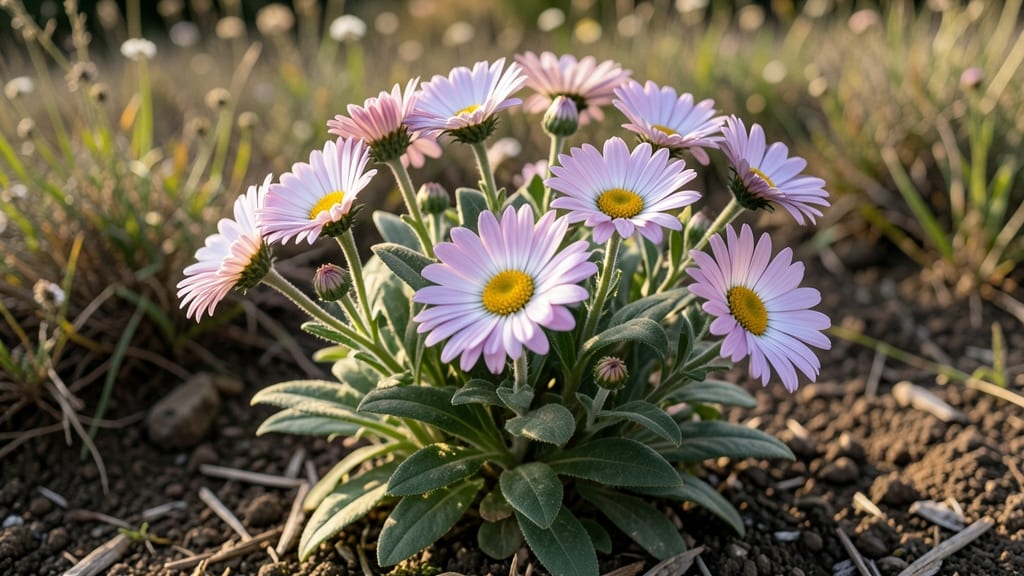
African daisies (Osteospermum) bloom all summer when given proper care, producing vibrant flowers from early summer until frost. Removing faded blooms and ensuring full sun exposure encourages continuous reblooming and extends the flowering period.
African daisies thrive in summer conditions but need consistent attention to maintain their nonstop bloom cycle. 🌞 The key lies in their love for sunlight—at least 6-8 hours daily—and regular deadheading, which redirects energy from spent flowers to new buds.
I’ve found that mulching around the base helps retain moisture while preventing weeds, which can compete for nutrients. What’s interesting is how these plants adapt: in cooler climates, they may slow down but rarely stop completely if protected from frost.
For container growers, choosing dwarf varieties ensures they fit well in small spaces while still delivering that summer-long color show.
Another pro tip is to fertilize lightly every 4-6 weeks with a balanced formula during the growing season. Over-fertilizing can lead to lush foliage but fewer blooms, so moderation is key.
I always recommend testing soil pH—African daisies prefer slightly acidic to neutral soil (pH 6.0-7.0)—as this directly impacts nutrient uptake and flowering intensity. The result? A garden that stays vibrant from June through September, even in heatwaves.
💡 In This Article
- African Daisy Flowering Seasons and Climate Factors
- Deadheading and Care Tips for Longer African Daisy Blooms
African daisy flowering seasons and climate factors
African daisies (Osteospermum) thrive in summer because their blooming cycle is directly tied to daylight length and temperature. These plants are native to South Africa, where they experience long, sunny days and warm temperatures—ideal conditions for continuous flowering.
When daylight exceeds 12-14 hours, they enter their peak blooming phase, producing vibrant flowers in shades of purple, pink, yellow, and white.
The key trigger is daylight duration: shorter days in fall signal the plant to slow down, while consistent 6-8 hours of direct sunlight daily keeps the blooms coming.
The temperature sweet spot for African daisies is between 65-80°F. Below 55°F, growth slows dramatically, and frost will kill the plant outright. In cooler climates, gardeners often treat them as annuals, but with proper care—like moving potted plants indoors before frost—they can rebloom the following spring.
Heatwaves above 90°F can cause wilting, so afternoon shade helps maintain moisture levels and prevents stress. The plant's natural mechanism is fascinating: when temperatures drop, it conserves energy by reducing flower production, which is why deadheading becomes even more critical in marginal climates.
What most people don't realize is how African daisies adapt to seasonal changes through their growth habit. Unlike perennials that go dormant, these plants focus energy on foliage when conditions aren't ideal, then quickly rebound when warmth returns.
This resilience makes them perfect for containers, where you can easily relocate them to sunnier spots or bring them inside during cold snaps. The trade-off? They may produce fewer blooms in less-than-ideal conditions, but with consistent care, you'll still see flowers well into fall.
Humidity also plays a subtle but important role. African daisies prefer moderate humidity (40-60%)—too much can lead to fungal issues like powdery mildew, while too little causes buds to dry out before opening.
In arid climates, mulching with 2-3 inches of organic matter helps retain soil moisture and regulate temperature fluctuations. The result? A plant that stays healthy and keeps producing blooms even when summer heat intensifies. This adaptability is why they're such a favorite for gardeners in diverse regions.
For those in warmer zones, the challenge isn't cold but rather preventing heat stress. Here's what actually works: watering deeply 2-3 times per week (more in extreme heat) while avoiding overhead watering to prevent fungal spores from settling on petals.
The roots need good drainage, so amending heavy soil with perlite or sand creates the ideal aerated environment. When you combine these factors—proper sunlight, temperature management, and moisture control—you create the perfect conditions for summer-long blooms that many gardeners dream of achieving.
One final insight: African daisies are surprisingly drought-tolerant once established, but this doesn't mean neglect. They'll still perform best with consistent care. The plants I've grown in USDA zones 8-10 continue flowering until frost if given these conditions, while those in cooler zones may need winter protection.
The bottom line? With the right climate accommodations, these daisies will reward you with nonstop color from June through September or even October in ideal settings. 🌸