
Plants
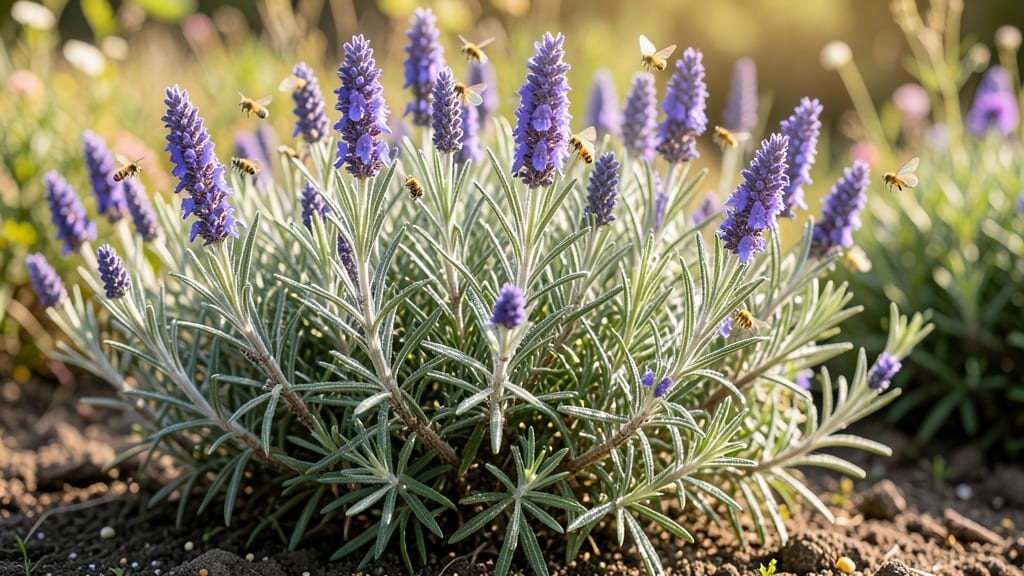
Rosemary isn’t just one plant—it’s a versatile herb with dozens of varieties perfect for cooking, landscaping, or pollinator gardens. Discover these 10 distinct rosemary types, each offering unique flavors, growth habits, and ornamental appeal for every gardener’s needs.
Tuscan Blue Rosemary for Classic Cooking
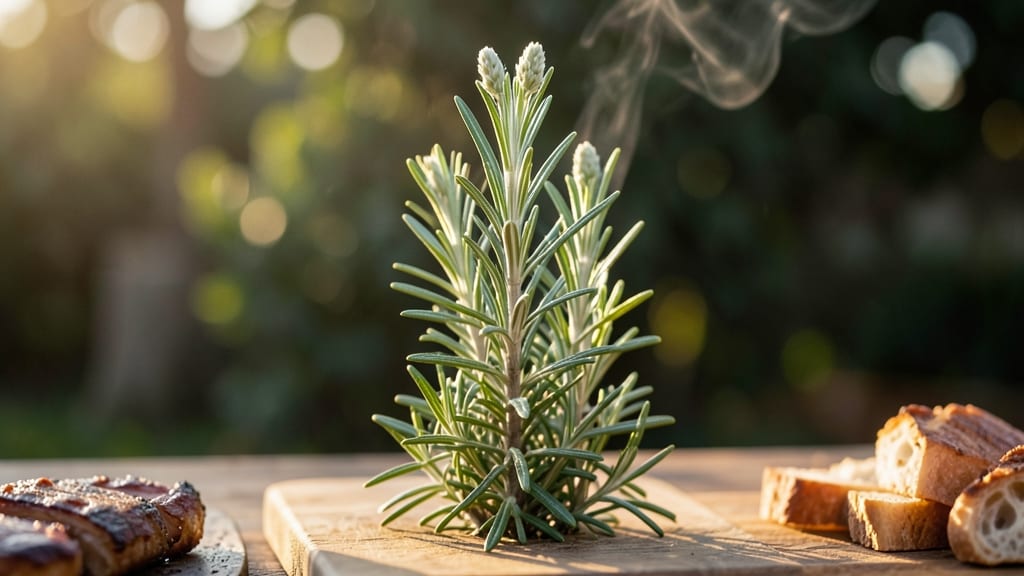
If you're looking for the gold standard of culinary rosemary, Tuscan Blue delivers bold flavor and striking beauty. This upright variety stands out with its vibrant blue-green needles and strong pine scent that elevates Mediterranean dishes from roasted lamb to homemade bread.
Growing Tuscan Blue is simple: plant it in well-draining soil with full sun exposure (6+ hours daily) and water sparingly—this drought-tolerant variety thrives on neglect. Prune lightly after flowering to maintain its compact shape, and harvest sprigs throughout the growing season for fresh garnishes. The upright growth habit makes it perfect for herb gardens or as a focal point in containers.
Home cooks and gardeners alike love Tuscan Blue for its versatility—use it fresh in salads, dried in seasoning blends, or even as a fragrant addition to potpourri. Whether you're a beginner or seasoned gardener, this variety brings both flavor and elegance to your garden. 🌿
Prostratus Rosemary for Ground Cover
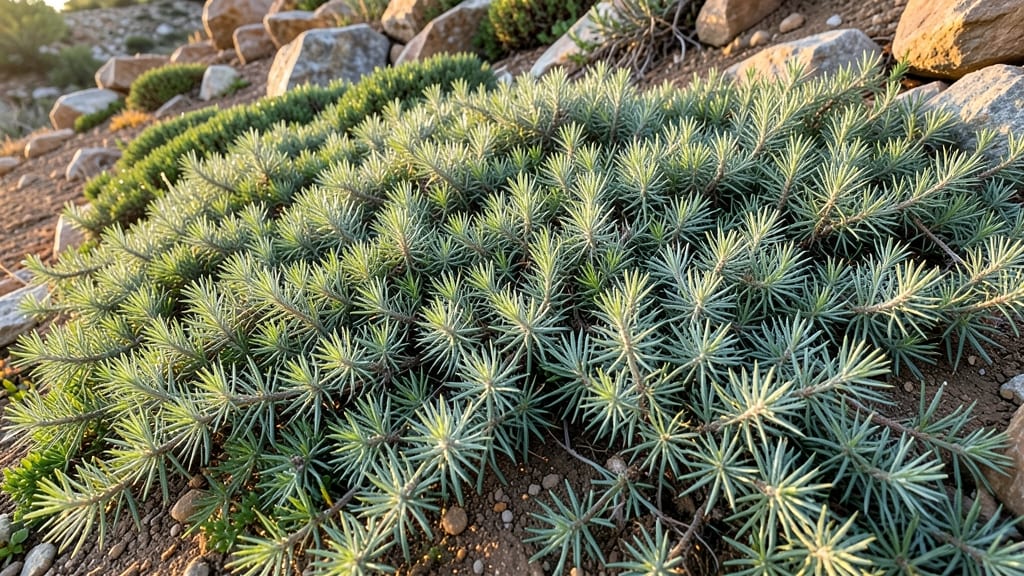
Tired of battling erosion or needing a low-maintenance border that thrives in tough conditions? Prostratus rosemary is your solution—a sprawling, evergreen ground cover that turns problem areas into lush, fragrant landscapes.
This creeping variety spreads gracefully along slopes, rocky beds, or between stepping stones, reaching just 6 inches tall while stretching up to 6 feet wide. Its drought-tolerant nature makes it perfect for water-wise gardens, and the delicate purple flowers in spring attract pollinators. Simply plant cuttings 12 inches apart in full sun and watch it fill gaps effortlessly.
Ideal for gardeners with sloped terrain or those who want a living mulch that suppresses weeds, Prostratus rosemary adds texture and fragrance without the upkeep of traditional ground covers. 🌿
Arp Rosemary for Compact Gardens
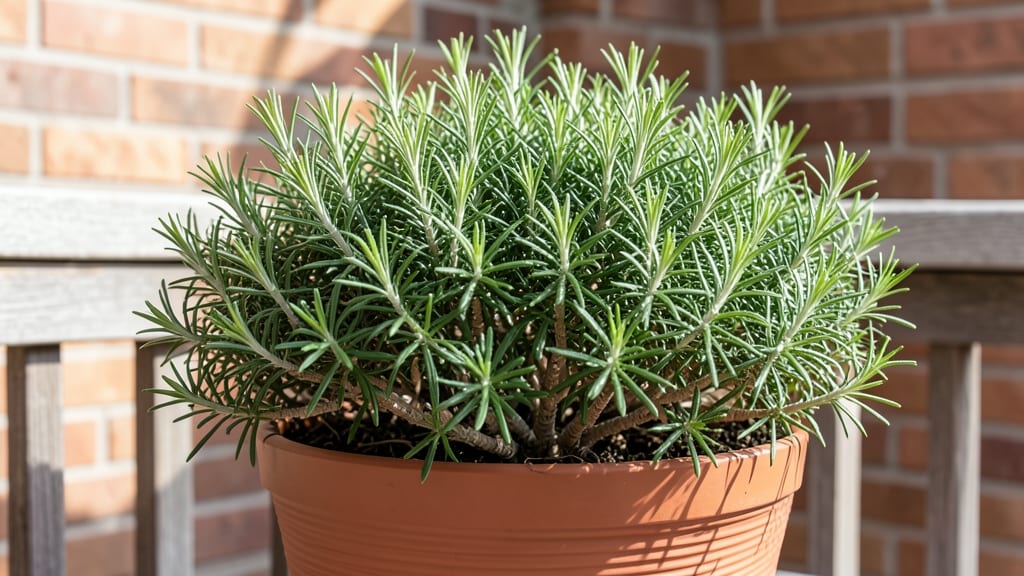
When your garden space is limited but your love for rosemary isn’t, Arp rosemary delivers a perfect solution. This dwarf variety stays compact—reaching just 12-18 inches tall—while packing the same bold flavor as its larger cousins, making it ideal for containers, window boxes, or urban balconies.
Unlike sprawling varieties, Arp’s dense, rounded growth stays neatly contained, even in small pots, and thrives in full sun to partial shade. Prune lightly after flowering to maintain its shape, and harvest sprigs regularly to encourage bushier growth. The fragrant foliage remains tender and flavorful year-round in USDA Zones 7-10, though it can be overwintered indoors in colder climates.
This variety is a game-changer for apartment gardeners, patio chefs, or anyone short on space—it’s the only rosemary you’ll need for both culinary and ornamental use without compromising on flavor or form. 🌱
Roseus Rosemary for Floral Beauty
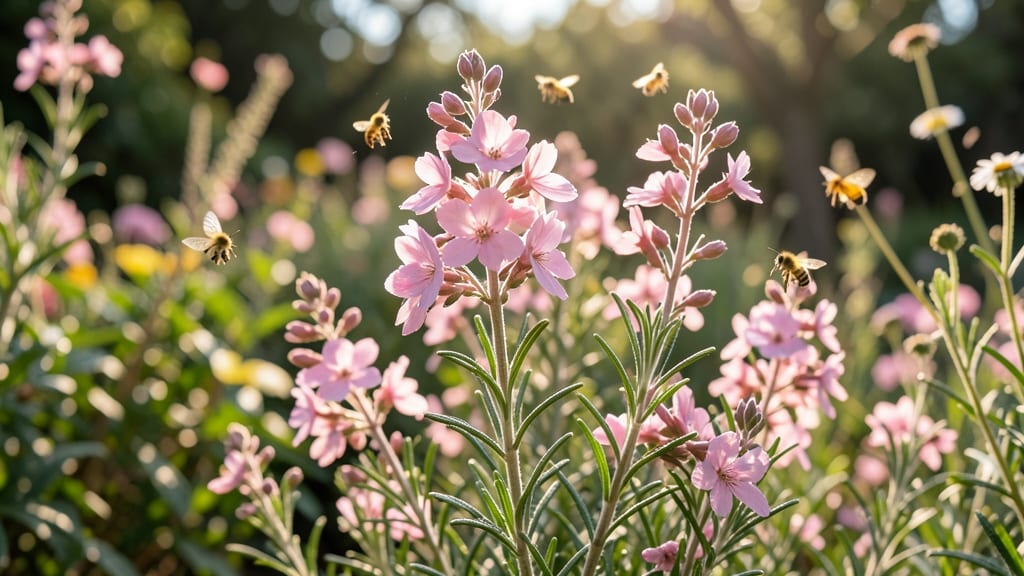
Transform your cottage garden into a pollinator paradise with Roseus rosemary—a stunning variety that blooms with delicate pink flowers from late spring through summer. Unlike traditional rosemary, this ornamental standout prioritizes beauty over foliage, making it a must-have for gardeners who love color and wildlife.
This variety thrives in full sun and well-drained soil, reaching 3-4 feet tall with a slightly sprawling habit. The fragrant pink blooms attract bees and butterflies, while its blue-green needles provide year-round structure. Prune lightly after flowering to encourage bushier growth, and pair it with lavender or salvias for a cohesive cottage-garden look.
Perfect for gardeners who want both ornamental flair and functional pollinator support, Roseus rosemary adds a romantic touch to borders or mixed herb beds. 🌷
Hill Hardy Rosemary for Cold Climates
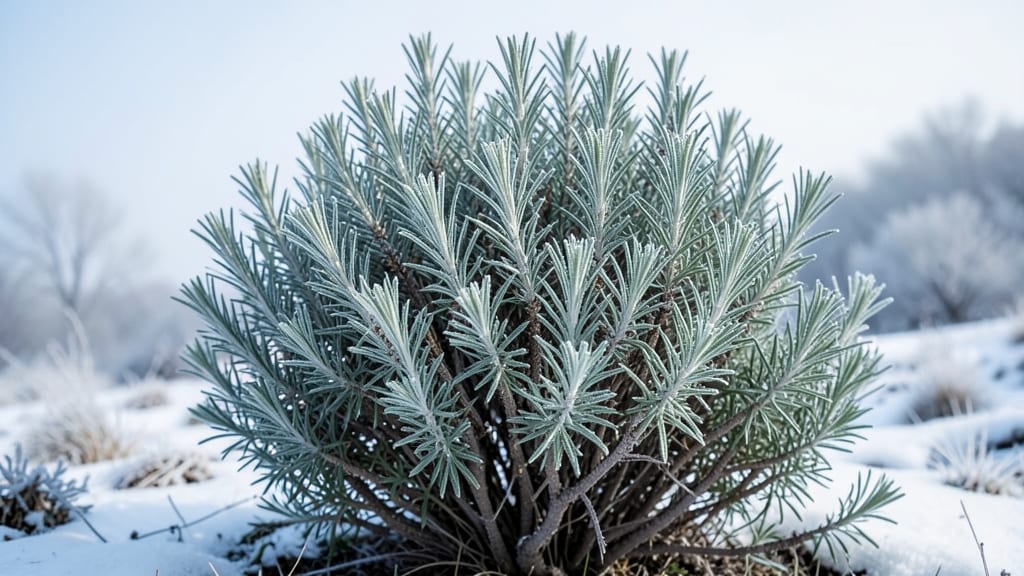
Cold winters shouldn’t mean giving up on rosemary—Hill Hardy Rosemary is the cold-climate hero you’ve been waiting for. Unlike most rosemary varieties that struggle below USDA Zone 7, this hardy cultivar thrives in Zone 5, surviving temperatures as low as -20°F without protection. It’s the perfect choice for northern gardeners who refuse to compromise on flavor or aesthetics.
This variety maintains the classic pine-scented aroma and robust flavor of traditional rosemary while boasting evergreen foliage that stays lush even under snow. Plant it in well-drained soil with full sun exposure (6+ hours daily) and water sparingly—its drought tolerance makes it low-maintenance once established. Prune lightly in early spring to encourage bushier growth and prevent woody stems.
Ideal for gardeners in Minnesota, Maine, or the Canadian Maritimes, Hill Hardy Rosemary delivers year-round greenery and reliable harvests. Whether you’re drying sprigs for winter cooking or simply love the scent of fresh herbs, this variety proves cold climates can still grow exceptional rosemary. 🌱
Spice Islands Rosemary for Strong Aroma
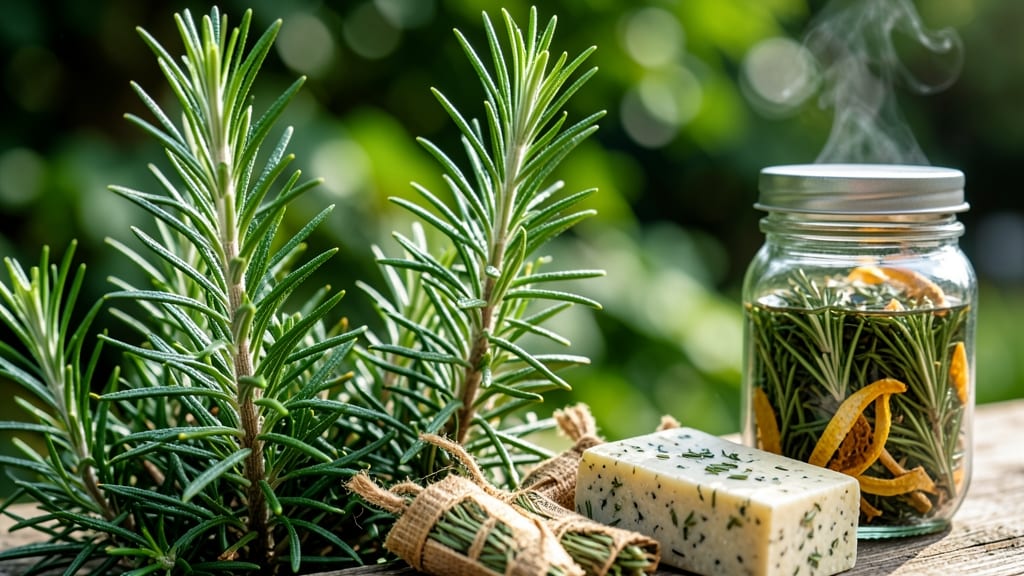
If you love the scent of rosemary but crave an even more intense, spicy aroma, Spice Islands Rosemary delivers a sensory punch. This variety isn’t just for cooking—its bold fragrance makes it perfect for potpourri, homemade soaps, or natural air fresheners. The leaves release a rich, almost woody scent when crushed, filling your space with an inviting, earthy aroma.
Grow this variety in full sun (at least 6 hours daily) with well-draining soil to maximize its fragrance. Unlike some rosemary types, it thrives in containers, making it ideal for patios or balconies. Prune lightly after flowering to encourage bushier growth and stronger scent production. The spicy, pine-like notes make it a standout for sensory gardens or crafting projects.
Perfect for gardeners who want multi-functional plants—this rosemary works as both a culinary herb and a fragrant decorative element. Try bundling sprigs in dried flower arrangements or using chopped leaves in homemade candles. 🌿
Golden Rosemary for Variegated Foliage
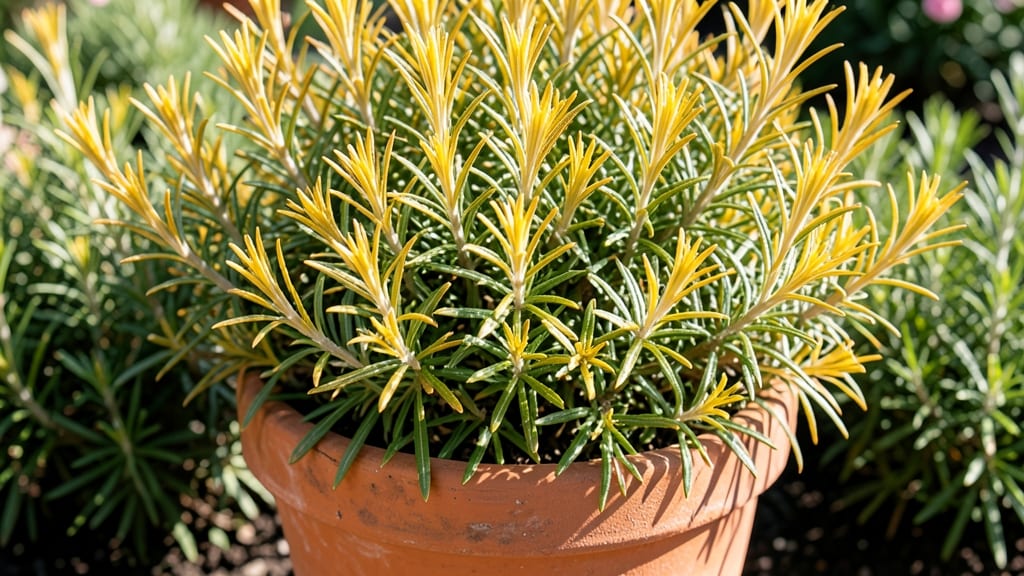
Want to add a pop of color to your herb garden without sacrificing flavor? Golden Rosemary brings sunshine to your landscape with its striking yellow-tipped leaves, creating a stunning contrast against traditional green varieties. This variegated beauty thrives in full sun and maintains the same robust pine-scented foliage you’d expect from classic rosemary.
Perfect for borders, containers, or mixed herb beds, Golden Rosemary grows 3-4 feet tall and wide, making it an eye-catching focal point. It’s just as culinary versatile as other varieties—use the leaves fresh in salads, roasted meats, or infused oils. For best results, plant in well-draining soil and water moderately, allowing the soil to dry slightly between waterings.
This variety is ideal for gardeners who love visual impact but still want functional herbs. It’s especially popular in Mediterranean-style gardens where its golden hues complement lavender and other silver-foliaged plants. 🌻
Barbecue Rosemary for Smoking Meats
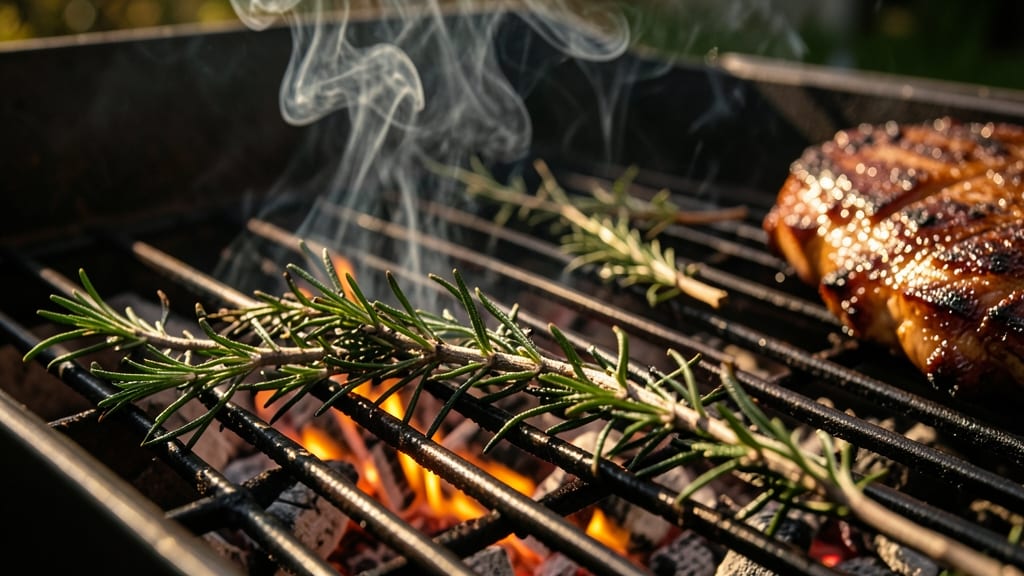
Transform your grill into a flavor powerhouse with Barbecue Rosemary, a variety bred specifically for smoking meats. Unlike traditional rosemary, this type releases an intense, smoky aroma when burned, infusing your brisket, ribs, or chicken with layers of deep, woody complexity that pairs perfectly with hickory or cherry wood chips.
Plant it near your smoker or in a dedicated container for easy access during cookouts. This variety thrives in full sun and well-draining soil, making it ideal for both in-ground beds and containers. Prune regularly to maintain bushy growth, and harvest sprigs as needed—just avoid cutting back more than one-third of the plant at a time to prevent stress. The aromatic oils intensify when the plant is mature, so give it at least a year to establish before using it for smoking.
Grilling enthusiasts and backyard chefs will love this variety for its unique purpose, while container gardeners can enjoy its compact growth habit. It’s the secret weapon for that restaurant-quality smoke flavor you’ve been craving. ✨
Irene Rosemary for Heat Tolerance
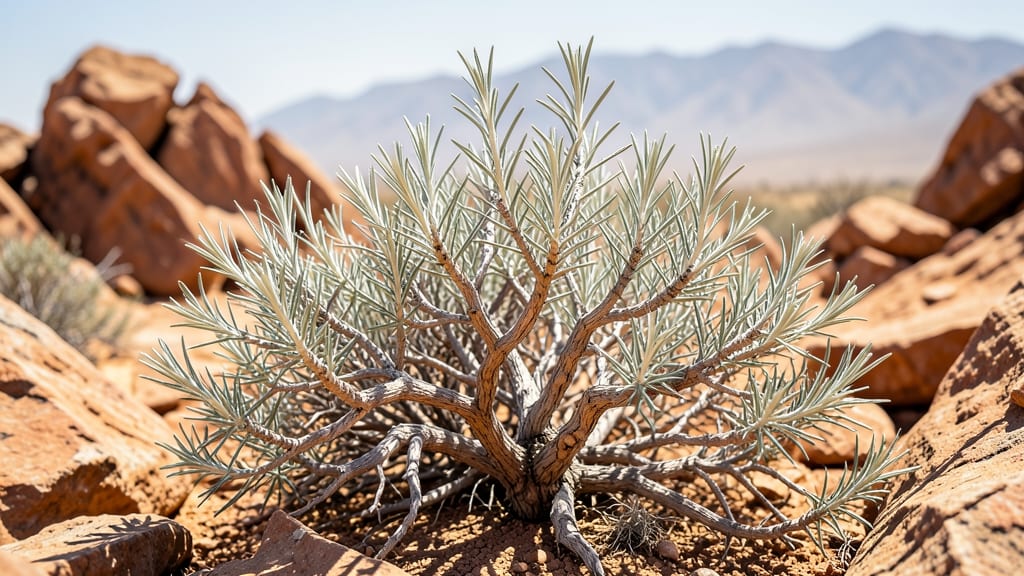
If you live in a hot, dry climate or struggle with poor soil drainage, Irene rosemary is your hardy hero. This variety thrives where others wilt, making it perfect for desert landscapes, rocky gardens, or even containers with minimal watering.
Unlike traditional rosemary, Irene rosemary develops a woody base that stores moisture, helping it survive prolonged droughts. Its upright, bushy growth reaches 3-4 feet tall, providing both culinary leaves and ornamental structure. For best results, plant in well-draining soil (even sandy or gravelly mixes) and water only when the top inch feels dry.
This variety is ideal for urban gardeners in arid zones or anyone seeking low-maintenance plants that still deliver flavor. Plus, its silver-blue foliage adds a striking contrast to drought-tolerant gardens. 💚
Madeline Hill Rosemary for Pollinators

If you want to turn your garden into a buzzing hub for pollinators without sacrificing flavor, Madeline Hill rosemary is your secret weapon. This variety stands out with its vibrant purple-blue flowers that bees and butterflies can't resist, while still delivering that classic rosemary taste in your kitchen.
Plant it in full sun with well-draining soil, and you'll get both culinary benefits and wildlife support. The upright growth habit makes it perfect for borders or herb gardens, where it can reach 3-4 feet tall. Prune lightly after flowering to encourage more blooms and maintain shape.
Eco-conscious gardeners and pollinator advocates will love this dual-purpose plant—it's the perfect way to grow something delicious while supporting local ecosystems. 🌻