
Pests
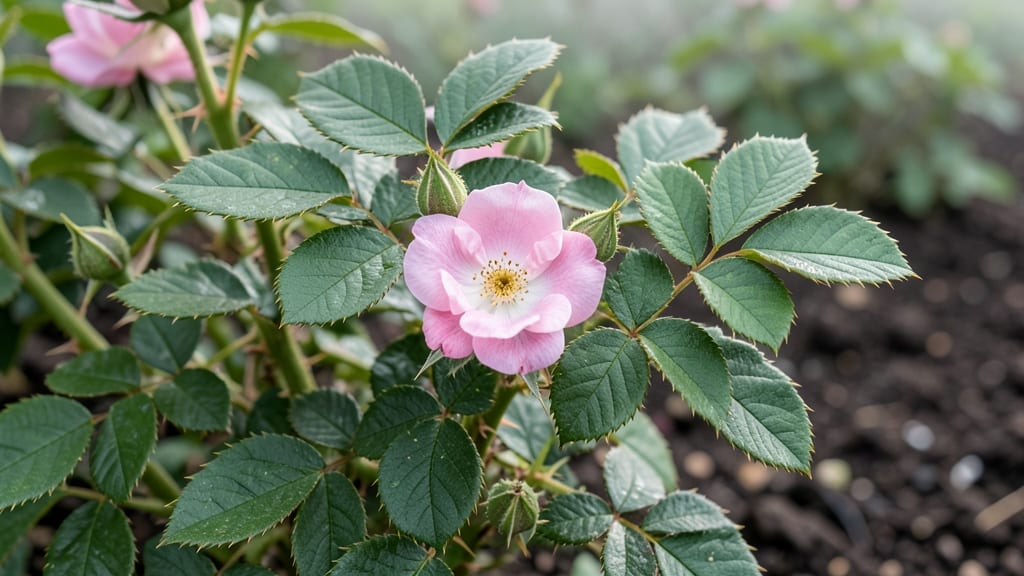
These deer-resistant rose bushes saved my garden—thick thorns and intoxicating blooms finally kept the deer away. 🌹 I’ve lost count of how many roses they devoured before I switched to varieties they avoid—like Knock Out roses and Rugosas.
These plants aren’t just pretty; they’re armed with natural defenses that work better than fences or sprays. The key is choosing the right mix of thorny varieties and fragrant oils deer dislike. Plant them in clusters near high-traffic areas where deer are most likely to browse.
A little extra mulch around the base adds another layer of protection by making the soil less appealing. Within a season, you’ll see lush, healthy growth that deer ignore—no more chewed leaves or stripped stems. The blooms stay vibrant, and the scent keeps pests at bay.
It’s not just about survival; it’s about creating a garden that thrives without constant battle. Works for any yard size, from small urban gardens to sprawling rural landscapes. Here’s how to pick the right roses and keep them deer-free for years.
📚 In This Guide
- What you need
- Instructions
- Tips and common mistakes
- Wrapping up and next steps
What you need
- ● Deer-resistant rose bushes: Choose varieties like Rosa rugosa, Knock Out® roses, or Dr. Huey (3–5 plants, depending on your garden size).
- ● High-quality potting soil: 5–10 gallons (look for well-draining, organic mix).
- ● Organic mulch: 3–5 bags (pine straw, wood chips, or shredded bark to retain moisture).
- ● Slow-release fertilizer: 10–20 lbs (balanced 10-10-10 or rose-specific formula).
- ● Pruning shears: 1 pair (bypass pruners, sharp and sterilized).
- ● Garden gloves: 1 pair (heavy-duty for thorns!).
- ● Trowel or spade: 1 (for digging holes, 8–12" deep).
- ● Watering can or hose: With a gentle spray nozzle.
- ● Deer repellent spray: Natural options like garlic-based or predator urine (reapply after rain).
- ● Rose food: Liquid feed for a mid-season boost (follow package rates).
- ● Fencing or netting: Temporary barriers (e.g., 8-ft tall chicken wire) for high-risk areas.
- ● Soil pH tester: To ensure your roses thrive (ideal pH: 6.0–6.5).
- ● Compost: 1–2 bags to enrich soil before planting.
How to plant deer-resistant rose bushes that thrive
Here's the straightforward approach I've used for years to keep deer out while growing showstopping roses.
🌱 Step 1: Choose the Right Deer-Resistant Varieties
Start with proven deer-resistant roses like 'Knock Out,' 'Dr. Huey,' or 'The Fairy'—these varieties pack thick thorns and strong fragrances that deer find unappealing. I always pick bare-root plants in late winter or early spring when they're dormant, giving them the best chance to establish strong roots before summer browsing begins.
Check the plant tags for disease resistance too—you want varieties marked 'black spot resistant' or 'powdery mildew resistant.' These tough roses handle both deer pressure and common fungal issues better than delicate hybrids. I like to plant at least 4 bushes in clusters since roses planted in groups naturally repel deer better than solitary plants.
🪴 Step 2: Prepare the Planting Site with Deer Deterrents
Select a sunny location with 6+ hours of direct sun daily—deer-resistant roses still need full sun to thrive. Before planting, mix 2-3 inches of compost into the native soil to improve drainage, which helps roots establish faster. I add a handful of bone meal fertilizer at the bottom of each hole too—this gives new roots an immediate phosphorus boost for strong growth.
Here's the thing—deer learn patterns, so I plant my roses near other thorny plants like barberries or cotoneasters. The combined thorn barrier creates a natural perimeter that deer avoid. Space bushes 3-4 feet apart to allow airflow and room for canes to thicken over time.
🌿 Step 3: Plant Using the Hole-and-Mound Method
Dig a hole twice as wide as the root ball but only as deep as the roots themselves. The top of the root ball should sit 2 inches above ground level—this prevents soil from settling and burying the graft union. I always check the graft union is clearly visible after planting.
Place the rose in the hole and spread the roots outward gently, making sure none are curled or folded. Fill the hole halfway with soil, then water deeply to settle it. This initial watering removes air pockets and helps roots make immediate contact with moisture. After watering, top with more soil and firm gently around the base.
✂️ Step 4: Prune and Protect New Growth
After planting, cut back all canes by one-third to encourage bushier growth. Remove any dead or crossing branches first—they compete with new growth for energy. I like to make cuts just above an outward-facing bud to promote outward growth rather than inward.
Here's where it gets smart: Install a 4-foot tall wire cage around each bush immediately after planting. Deer can jump higher than you'd think, but the cage gives roots time to establish before summer browsing begins. Water deeply once weekly until new growth appears, then taper to every 10 days once established.
🌱 Step 5: Maintain Through the Growing Season
Feed roses with a balanced rose fertilizer every 6-8 weeks starting in early spring. I use a slow-release formula to avoid nitrogen burns that make roses more palatable to deer. Mulch with 2 inches of wood chips around the base to retain moisture and suppress weeds—just keep mulch 3 inches away from the stem to prevent rot.
Watch for new canes developing from the base—these are called "suckers" and should be removed immediately. Strong, established canes with thorns form the best natural deer deterrent. If you notice deer browsing despite your precautions, try spraying the foliage with a deer repellent spray containing garlic or rotten eggs—it's a last resort but works in a pinch.
Tips & tricks for planting deer-resistant rose bushes that thrive
Here's what nobody tells you about giving your roses the best shot against hungry deer.
Variety Selection: When choosing your deer-resistant roses, prioritize varieties with both thick thorns AND strong fragrance—deer dislike both. 'Knock Out' roses are my go-to because their dense thorns and continuous blooms create a natural barrier. Look for plants labeled "disease-resistant" too—this double protection ensures your roses survive both deer and common fungal threats. Planting in clusters of 4-6 bushes creates a more effective deterrent than solitary plants.
Soil Preparation: The 2-3 inches of compost you mix into the soil isn't just about drainage—it's about creating an environment where roots can establish quickly. I like to add a handful of bone meal fertilizer at the bottom of each hole to give roots an immediate phosphorus boost. This helps them grow strong enough to withstand deer browsing before summer arrives. Think of it as giving your roses a head start in the race against hungry deer.
Planting Depth: That 2-inch elevation above ground level for the root ball is critical—it prevents soil from settling and burying the graft union. After planting, give the soil a gentle firming around the base to eliminate air pockets. This ensures roots make immediate contact with moisture, which is especially important in dry climates where deer are more likely to browse thirsty plants.
Protection Strategy: The 4-foot tall wire cage might seem extreme, but deer can jump surprisingly high when motivated by hunger. Installing cages immediately after planting gives roots time to establish before deer become a threat. For extra protection, I plant my roses near other thorny plants like barberries or cotoneasters—this creates a natural perimeter that deer avoid even when they're desperate for food.
Pro Tips for Deer Resistant Rose Bushes
- Here's what nobody tells you about giving your roses the best shot against hungry deer.
- Variety Selection: When choosing your deer-resistant roses, prioritize varieties with both thick thorns AND strong fragrance—deer dislike both.
- Soil Preparation: The 2-3 inches of compost you mix into the soil isn't just about drainage—it's about creating an environment where roots can establish quickly.
Frequently asked questions
Got questions about keeping deer away from your roses? You’re not alone! Here are some of the most common concerns—and their answers—to help you grow a thriving, deer-resistant garden with confidence.
What makes a rose bush deer-resistant?
Deer-resistant roses typically have thick, sharp thorns and strong fragrances that deer dislike. Varieties like 'Knock Out' roses or 'Dr. Huey' are bred to be less appealing due to their tough foliage and intense scent. However, no rose is 100% deer-proof—just less tempting!
When is the best time to plant deer-resistant roses?
Plant in early spring or fall when the soil is workable but not frozen. This gives roots time to establish before harsh weather. Avoid planting in summer heat or winter frost, as stress makes young roses more vulnerable to deer browsing.
Are there alternatives if deer keep eating my roses?
Yes! Try deer-resistant plants like lavender, barberry, or Russian sage as companions. You can also use physical barriers (like fences or thorny plants) or repellents (spray-on hot pepper solutions). Rotating plants yearly can also confuse deer!
Why do deer sometimes ignore deer-resistant roses?
Deer may still nibble if they’re desperate for food (e.g., during drought or winter). Stress, hunger, or unfamiliarity with the scent can override resistance. Monitor your garden and reinforce defenses if needed—like adding more thorny varieties or repellents.
Do I need to prune deer-resistant roses differently?
Prune in late winter or early spring to shape the bush and encourage new growth. Focus on removing dead or damaged branches first. Since these roses are thorny, wear gloves and long sleeves—and avoid over-pruning, which can stress the plant and make it more appealing to deer.
Wrapping up and next steps
Choosing deer-resistant rose bushes with thick thorns and fragrant blooms is a game-changer for gardeners tired of nibbled plants! 🌹 These beauties not only deter hungry critters but also add stunning color and scent to your outdoor space.
Whether you opt for classic varieties like Knock Out® roses or bold hybrids, you’re investing in low-maintenance, resilient gardening.
Ready to transform your garden? Start by selecting the perfect variety for your climate and soil, then plant with confidence. Your deer-free oasis awaits—happy gardening! 🌿