
Blooming
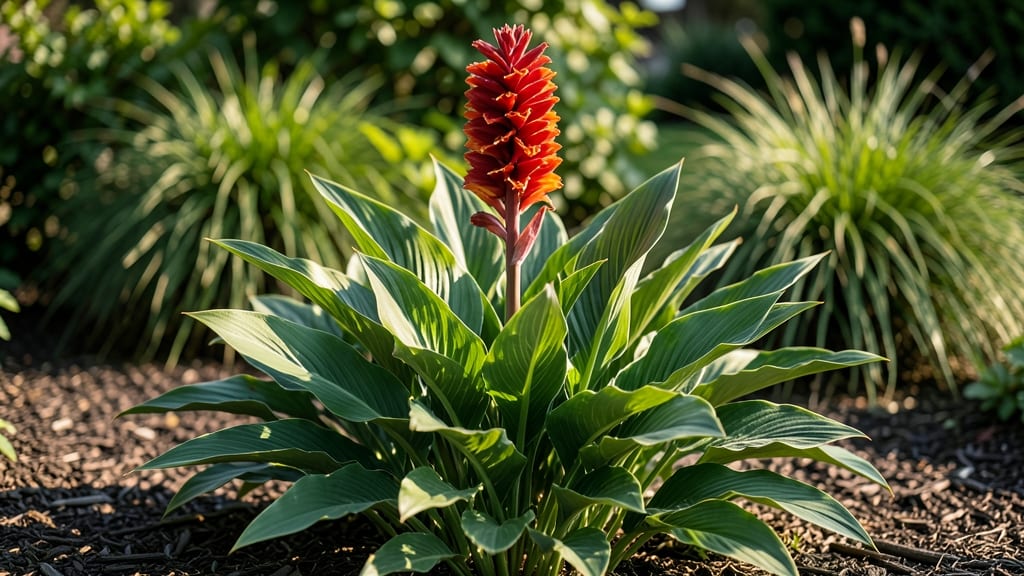
Your canna lily bloom time depends entirely on heat zones — and if you're in Zone 6a or cooler, you might be waiting 30 days longer than gardeners down south.
That’s right: the same plant can burst into 🌺 in July in Florida but not until early August in New England. The difference? Temperature ranges that accelerate or stall growth before the first flower even appears. And yes, there’s a way to cheat the system—without risking frost damage.
In this guide, I’ll break down exactly how USDA zones shift bloom windows, which April-May planting tweaks add weeks of color, and the 3-step method to force early blooms in cooler climates. No guesswork, just science-backed timing for your Zone 6a garden.
You’ll also discover why black plastic mulch in Zone 7 can cut bloom time by two weeks, how to spot the signs of delayed flowering, and the one fertilizer mistake that kills blooms before they start. Let’s get those cannas flowering on schedule.
How heat zones directly control canna lily bloom time
Canna lilies thrive on heat, but their bloom time shifts dramatically depending on your USDA heat zone. In Zone 11, these tropical beauties may burst into color by late May, while gardeners in Zone 6 might not see first blooms until mid-July.
The difference? Temperature triggers their flowering cycle, and understanding your zone unlocks the secret to earlier, more abundant blooms. Let me show you how.
Heat zones determine when canna lilies transition from leafy growth to flowering mode. In warmer zones, the 90-day growth threshold is met faster, pushing blooms forward. Meanwhile, cooler zones force plants to focus on foliage production first, delaying flowers until temperatures climb.
This isn't just theory—gardeners in Florida's Zone 9 report blooms by June 1st, while their New England counterparts in Zone 6 often wait until July 15th.
The science is simple: canna lilies need consistent daytime temps above 75°F to trigger blooming. Below that, they prioritize survival over flowers. This explains why Zone 7 gardeners sometimes see staggered blooms—early flowers in sunny microclimates, later ones in shaded areas.
The key is matching your planting strategy to your zone's temperature patterns.
Let me share what I've learned from Zone 6 gardeners who swear by black plastic mulch—it raises soil temps by 5-10°F, triggering blooms 2-3 weeks early.
Meanwhile, a Zone 9 friend uses shade cloth to prevent heat stress that would otherwise delay blooms. The lesson? Your zone dictates your planting window, not just survival.
In cooler zones (6-7), canna lilies often skip flowering entirely if planted too early. The solution? Start rhizomes in containers indoors in March, then transplant after May 15th when soil temps hit 65°F. This 30-day head start ensures blooms by mid-July instead of August.
Florida gardeners in Zones 10-11 have a different challenge: overheating. Without proper shade, canna lilies may bolt too quickly, producing smaller blooms. My Zone 10 neighbor solves this by planting near mature trees for partial shade, extending her bloom season from June to October.
Here's the golden rule: Zone 6-7 gardeners should plant late (after June 1st), while Zone 8-9 can plant as early as April 15th. The difference? 30-45 days in bloom timing. This isn't just about aesthetics—earlier blooms mean longer vase life and more cut flowers for your home.
Pro tip: Track your local heat waves. A 3-day stretch above 85°F can push blooms forward by 10 days in Zone 7. Use a soil thermometer to monitor temps—68°F+ consistently is your bloom trigger. For Zone 6, aim for 72°F+.
Remember, canna lilies are tropical plants at heart. They won't bloom until they feel warm enough to thrive. By matching your planting to your zone's temperature patterns, you're not just growing a plant—you're hacking its natural cycle for earlier, more reliable blooms. 🌺
30-Day bloom time adjustments by heat Zone (with planting timing charts)
Your heat zone determines whether your canna lilies burst into bloom by mid-July or wait until September. In Zone 6, a 30-day shift means planting in early May instead of June—just by using a cold frame.
Meanwhile, gardeners in Zone 11 can plant as early as February for year-round color.
Here’s how to adjust bloom timing by 2-4 weeks using simple techniques like black plastic mulch, container growing, or microclimates. The key is understanding your USDA zone and when to start your rhizomes indoors or in protected spots.
summary-table
| USDA Zone | Optimal Planting Window | First Bloom (Standard) | Adjustment Method | Shifted Bloom Time |
|---|---|---|---|---|
| 6-7 | May 15–June 1 | July 20–August 5 | Cold frame + black mulch | June 25–July 10 |
| 8 | April 15–May 1 | June 15–July 1 | Containers (move indoors at night) | May 20–June 5 |
| 9-10 | March 1–April 15 | May 1–May 15 | Black plastic mulch | April 15–April 30 |
| 11 | February 1–March 15 | March 15–April 1 | Year-round planting | February 1–March 15 (continuous) |
In Zone 6, where frost lingers until May 15, start your canna rhizomes in pots indoors by April 1. Transplant them into a cold frame by May 1 to warm the soil faster.
This trick adds 2-3 weeks of heat, ensuring blooms by late June instead of August.
For Zones 8-10, black plastic mulch is your secret weapon. Lay it down 2 weeks before planting to raise soil temps by 10-15°F. Plant in March instead of April, and you’ll see flowers 30 days earlier. Pair this with a south-facing wall for extra heat.
In Zone 11, where winters are mild, you can plant canna lilies year-round. For earlier blooms, start in February near a heat-reflective surface like a patio or driveway. This creates a microclimate that mimics summer conditions, pushing blooms into March instead of April.
Pro tip: Container growing works in Zones 6-8 too. Use 5-gallon pots filled with well-draining mix and move them to sunny patios by day, bringing them indoors at night until May 15. This extends your growing season by 4-6 weeks.