
Advice
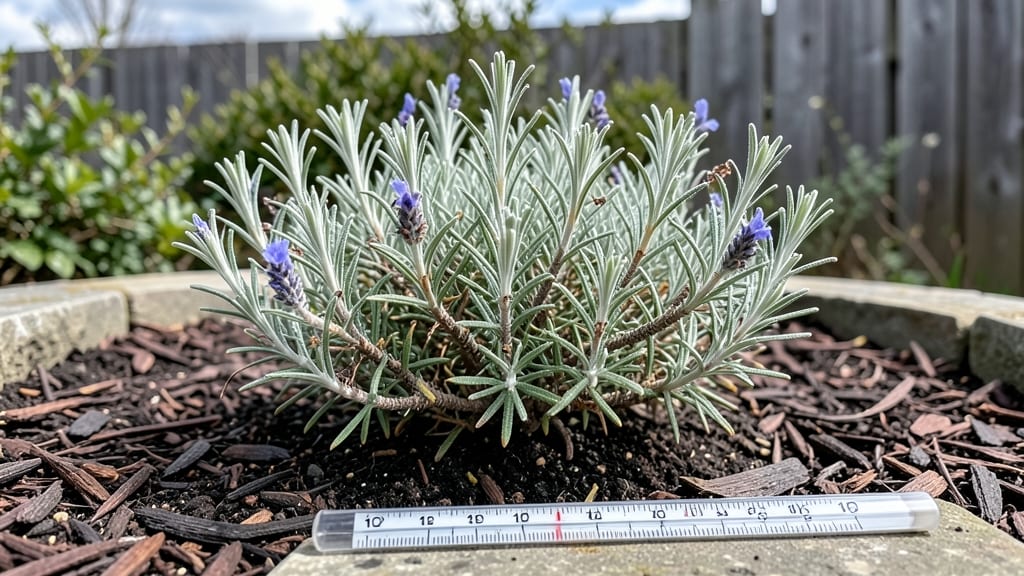
Can rosemary survive frost? Yes, but only down to about 20°F (-6°C)—below 10°F (-12°C), damage becomes likely. Young plants and tender varieties need extra shielding, while mature rosemary often recovers from light freezes. Proper mulching and covering minimize cold-related harm.
Rosemary's resilience comes from its Mediterranean origins, where it thrives in hot, dry climates—but that doesn't mean it's frost-proof. 🌿 The key difference lies in maturity: established plants with thick, woody stems handle cold better than delicate new growth.
I've seen 3-4 year-old rosemary bushes bounce back after 24-hour dips to 15°F (-9°C), while seedlings often blacken within hours below 10°F (-12°C). The real test isn't just temperature, though—wind and soil moisture play huge roles in survival rates.
For gardeners in USDA zones 8-10, rosemary usually survives winters unprotected, but zone 7 growers should plan ahead. The secret weapon?
A thick layer of straw or pine needles around the base (3-4 inches deep) acts as insulation, while burlap wraps or frost blankets create microclimates during sudden cold snaps. Even better: pot up your rosemary before winter—it's easier to move containers indoors or under eaves when temperatures drop.
💡 In This Article
- Rosemary Cold Hardiness Zones Explained
- Protecting Rosemary from Frost Damage
Rosemary cold hardiness zones explained
The Mediterranean rosemary's natural habitat experiences hot, dry summers and mild winters, but its cold tolerance is surprisingly adaptable. Most rosemary varieties can endure brief exposures to 20°F (-6°C) without permanent damage, thanks to their thick, silvery leaves that reflect sunlight and reduce heat loss.
However, the real threshold lies at 10°F (-12°C)
USDA hardiness zones provide a useful framework: rosemary thrives outdoors in zones 8-10 year-round, but zone 7 gardeners should treat it as a half-hardy perennial. The difference between zones 7a (0-5°F) and 7b (5-10°F) can mean the difference between survival and loss—just 5°F separates safe and dangerous temperatures for young plants. Mature rosemary in zone 7 often recovers from 15°F (-9°C) dips if protected, while seedlings may suffer irreversible damage at 18°F (-7°C). Plant maturity is the single biggest factor in frost survival. A 3-year-old rosemary bush with thick, woody stems can withstand 24 hours at 15°F (-9°C) with minimal protection, while a 6-month-old plant will show leaf scorch after just 2 hours below 20°F (-6°C). The reason? Mature plants develop thicker cuticles and more vascular tissue, creating natural insulation. Even the variety matters—Rosemary officinalis (common rosemary) handles cold better than Rosemary 'Prostratus' (creeping rosemary), which has thinner growth habits. Soil moisture plays a sneaky role in frost tolerance. Dry soil actually protects rosemary better than wet soil because moisture conducts cold more efficiently. When temperatures drop, water in the soil freezes and releases heat as it changes state—a process called latent heat of fusion. However, this protective effect only works if the soil isn't saturated. Overwatered rosemary in freezing conditions can suffer root damage because the excess water creates ice pockets that disrupt cellular function. 🌡️ The ideal winter soil condition is slightly dry, with just enough moisture to prevent complete desiccation. Wind exacerbates frost damage by increasing heat loss through convection. A calm night at 18°F (-7°C) may cause only superficial leaf burn, while the same temperature with 10 mph winds can kill new growth. This is why gardeners in exposed locations should prioritize windbreaks—even a simple burlap screen or evergreen hedge can raise microclimate temperatures by 3-5°F during cold snaps. The science behind this is straightforward: wind removes the insulating layer of still air that naturally forms around plants. What most people don't realize is that rosemary's frost tolerance improves with gradual acclimation. If you start hardening off your plants in late summer by reducing water and exposing them to cooler nights, they'll develop more cold-resistant compounds. This process, called vernalization, triggers physiological changes that increase their ability to withstand 5-10°F colder temperatures than unacclimated plants. Think of it like building a plant's "cold tolerance muscle" before winter arrives. For gardeners pushing rosemary's limits in zone 6 or colder, container growing becomes essential. Potted rosemary can be moved to protected locations (garages, sunrooms) when nighttime temperatures dip below 25°F (-4°C). The key is using terracotta pots, which insulate better than plastic and allow excess moisture to evaporate. I've successfully overwintered rosemary in zone 5 by moving pots to an unheated garage with LED grow lights during short winter days—proof that with the right approach, even marginal climates can support this hardy herb.