
Planting
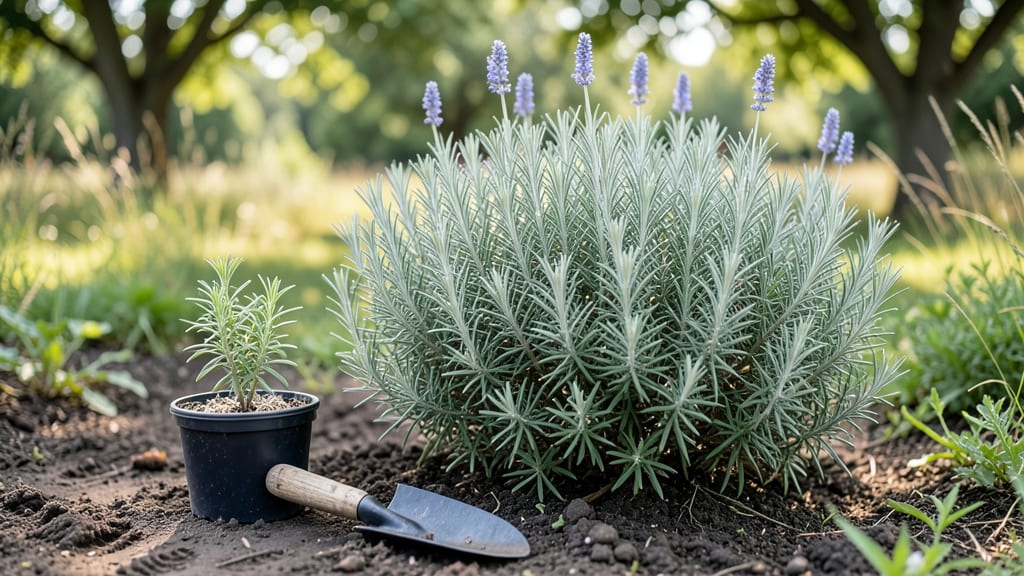
To plant a rosemary bush, start with a sunny spot and well-draining soil—this Mediterranean herb demands both to thrive and reward you with fragrant foliage year after year.
Rosemary isn’t just a fragrant kitchen herb—it’s a hardy, drought-resistant perennial that thrives when planted correctly, transforming your garden into a sun-drenched Mediterranean paradise with minimal effort.
Whether you’re planting in USDA Zone 6a or a container on your patio, getting the spacing and sunlight right is the key to avoiding leggy plants and stunted growth.
Inside, I’ll walk you through the step-by-step process, from soil prep to the first watering, plus the spacing secrets that keep rosemary bushy and full of flavor.

Step-by-step guide to planting rosemary bushes for optimal sun exposure
Planting rosemary bushes correctly ensures they grow into fragrant, bushy plants that thrive for years. The key to success lies in sun exposure, soil prep, and proper spacing—all of which I’ll walk you through step by step.
Whether you’re a beginner or a seasoned gardener, these instructions will help you avoid the common mistakes that stunt rosemary growth.
Rosemary loves full sun and well-draining soil, making it perfect for sunny garden beds or containers. If you’ve ever struggled with leggy or weak rosemary plants, the issue likely stems from incorrect planting techniques.
Follow my guide to create the ideal conditions for your rosemary to flourish, with vibrant green needles and a distinct piney aroma.
-
Choose the Right Location
Select a spot with 6+ hours of direct sunlight daily. Rosemary thrives in full sun and will become leggy or weak in shade. South-facing garden beds or containers near a sunny wall are ideal. -
Test and Amend the Soil
Rosemary needs well-draining, slightly alkaline soil (pH 6.0–7.0). Test your soil and amend with sand or perlite if it’s heavy clay. Avoid soggy soil, which causes root rot. -
Prepare the Planting Hole
Dig a hole twice as wide as the rosemary’s root ball but no deeper. Loosen the soil at the bottom to encourage root expansion. If planting multiple bushes, space them 18–24 inches apart for proper airflow. -
Remove the Rosemary from Its Container
Gently squeeze the sides of the pot to loosen the root ball. If roots are circling or bound, tease them apart with your fingers. This prevents root strangulation and encourages outward growth. -
Plant at the Correct Depth
Place the rosemary in the hole so the top of the root ball sits 1 inch below soil level. Burying it too deep can suffocate the plant, while planting too shallow exposes roots to drought stress. -
Backfill and Water Thoroughly
Fill the hole with soil and press gently around the base to remove air pockets. Water deeply until the soil is moist but not soggy. This helps the roots establish quickly in their new home. -
Apply a Mulch Layer
Spread 2–3 inches of mulch (like gravel or straw) around the base to retain moisture and suppress weeds. Keep mulch 2 inches away from the stem to prevent rot. -
Water Sparingly After Planting
Rosemary is drought-tolerant, so avoid overwatering. Water once a week in the first month, then reduce to every 2–3 weeks once established. Let the soil dry out between waterings.
After planting, monitor your rosemary for signs of stress or disease. Yellowing leaves often indicate overwatering or poor drainage, while sparse growth may signal insufficient sunlight. Adjust your care routine based on these cues to keep your rosemary healthy and aromatic.
For container-grown rosemary, use pots with drainage holes and a fast-draining potting mix. Place containers in a sunny spot and water when the top inch of soil feels dry. Containers dry out faster than garden beds, so check soil moisture daily in hot weather.
Pruning young rosemary bushes encourages bushier growth. Trim back 1/3 of the plant after the first year to promote branching. Always use clean, sharp pruners to avoid damaging stems. Regular pruning keeps your rosemary compact and highly productive.
If you live in a cooler climate (USDA Zone 6 or below), choose a hardy rosemary variety like ‘Arp’ or ‘Hill Hardy.’ These varieties tolerate light frosts better than standard types. In colder regions, plant rosemary in containers and move it indoors during winter.
With the right sun exposure, soil prep, and spacing, your rosemary will thrive for years. Follow these steps, and you’ll enjoy a fragrant, low-maintenance herb that’s perfect for cooking, crafts, and garden beauty. Happy planting! 🌿
Best spacing and sunlight requirements for rosemary bushes: a gardener’s checklist
Rosemary bushes thrive with 6+ hours of direct sunlight daily, mimicking their Mediterranean origins. Without enough light, they become leggy and lose their signature aroma. Urban gardeners often struggle with microclimates—like shaded balconies—where rosemary may need supplemental grow lights to reach its full potential.
Rural areas, with open southern exposures, provide ideal conditions for robust growth.
When planning your rosemary layout, spacing is critical. Crowding stresses plants, leading to competition for nutrients and increased disease risk. The 18–24-inch spacing rule ensures each bush has room to develop a strong root system and airflow.
This distance also makes harvesting easier—no more wrestling with overgrown stems! For container gardening, 5-gallon pots or larger work best, with one plant per container.
| Factor | Urban Gardening | Rural Gardening |
|---|---|---|
| Sunlight Needs | 6+ hours (south-facing window or balcony) | Full sun (6+ hours, open southern exposure) |
| Spacing (inches) | 18–24 (containers: 1 plant per 5+ gallons) | 24 (allow room for mature height of 3–6 ft) |
| Soil Type | Well-draining potting mix + perlite | Sandy loam or amended garden soil |
| Microclimate Adjustments | Use reflective surfaces (white walls) or grow lights | Windbreaks if needed (rosemary dislikes strong winds) |
For urban gardeners, prioritize south-facing windows or balconies where rosemary can soak up reflected sunlight. White walls or light-colored surfaces amplify light exposure, helping compensate for limited space. If natural light is insufficient, LED grow lights (12–14 hours/day) can bridge the gap.
In rural settings, focus on open southern exposures where rosemary can bask in unfiltered sunlight, accelerating growth and essential oil production.
One common mistake is overestimating shade tolerance. While rosemary can survive in partial shade, its flavor and growth suffer. If your garden only offers morning sun, opt for dwarf varieties like 'Blue Spires,' which tolerate slightly less light.
Always test your spot: if a sun-loving plant like lavender thrives there, rosemary will too.
After planting, monitor your rosemary’s response to its environment. Healthy foliage should be deep green and fragrant, while yellowing leaves signal insufficient light or overwatering. Adjust spacing or sunlight as needed—rosemary is forgiving but rewards precise care with years of lush, aromatic growth. 🌿☀️
Pro tip: In hot climates (Zones 8–10), provide afternoon shade during peak summer to prevent leaf scorch. Mulch with gravel or straw to retain moisture and regulate soil temperature. With the right spacing and sunlight, your rosemary will flourish year after year—no Mediterranean vacation required! ✂️🌱