
Blooming
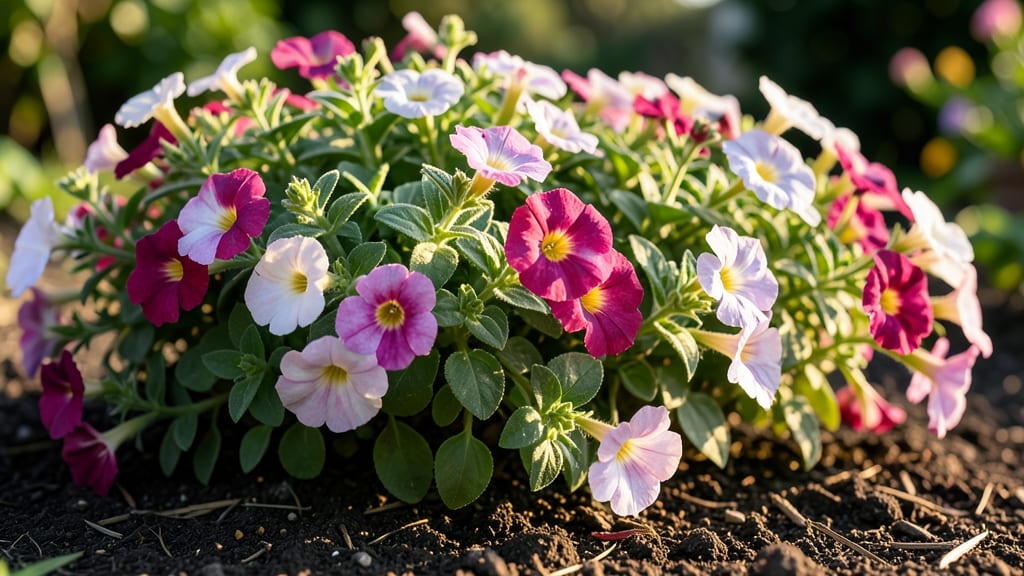
Calibrachoa blooms from early summer through fall 🌸, but the timing and length of their vibrant displays depend on your variety, hardiness zone, and a few key gardening tricks.
Picture this: you’ve spent weeks nurturing your calibrachoa, only for the flowers to fade faster than expected. The reason? Many gardeners miss the fact that bloom duration isn’t just about seasons—it’s also tied to sunlight exposure, soil health, and even how you prune.
In Zone 6a, where calibrachoa thrives as an annual, blooms typically kick off in June and stretch into October if conditions are right. But cooler zones or early frosts can cut that short unless you take proactive steps, like choosing cold-hardy varieties or using containers to extend the season.
Here’s the game-changer: with the right care—like deadheading spent blooms, feeding at the right times, and protecting from pests—you can turn a three-month display into a five-month spectacle. Ready to unlock those secrets?
Calibrachoa bloom time by variety: when & how long each type flowers
If you've ever wondered why your calibrachoa flowers seem to fade faster than expected, the answer likely lies in the variety-specific bloom cycles. These tiny petunia relatives aren't one-size-fits-all - their flowering duration and peak seasons vary dramatically.
Some varieties burst into color within weeks of planting, while others take their time but reward you with months of continuous blooms.
The key to maximizing your calibrachoa's display time starts with understanding each variety's natural tendencies. Whether you're growing Superbells in containers or Kalibrina in garden beds, knowing when to expect flowers and how long they'll last helps you plan for the most spectacular seasonal shows.
Let's break down the bloom patterns by the most popular varieties.
Here's what you need to know about bloom timing and seasonal performance for each type:
The Superbells series stands out as the fastest bloomer, typically showing flowers within just 4-6 weeks after planting. This makes them perfect for container gardens where you want quick color.
Their peak season runs from June through October, and with regular deadheading, they'll keep producing blooms almost nonstop until frost.
For those in warmer climates (zones 9-11), some calibrachoa varieties can actually behave as tender perennials. In these areas, you might see reblooming the following spring if you protect them through winter with mulch or containers.
The Mini Bella series is particularly impressive in these conditions, often flowering from May through November.
If you're growing trailing calibrachoa varieties, be patient - these take the longest to establish (7-9 weeks) but reward you with a cascading display that's perfect for hanging baskets.
Their peak season is shorter (June-September), so plan to replace them before fall if you want continuous color. The key with trailing types is providing support structures early to encourage their natural growth habit.
One common misconception is that all calibrachoa varieties bloom simultaneously. In reality, their flowering patterns often stagger. This means you can create extended bloom seasons by planting different varieties at 2-3 week intervals.
For example, start with Mini Bella in early spring, followed by Superbells 3 weeks later, and finish with Pacifica in late spring for a continuous color show through fall.
For gardeners in cooler climates (zones 3-8), treating calibrachoa as annuals is the safest approach. However, you can extend their season by starting seeds indoors 8-10 weeks before your last frost date. This gives you a head start on the 60-90 day timeframe most varieties need to reach peak flowering.
The Kalibrina series often performs particularly well in these conditions due to its slightly longer establishment time.
How hardiness zones affect calibrachoa bloom time & survival strategies
Your hardiness zone plays a starring role in calibrachoa bloom time, often determining whether your plants thrive or struggle. These tropical beauties—native to zones 9-11—are frost-sensitive, meaning gardeners in cooler climates face unique challenges to extend their bloom seasons.
In zone 10+, they may flower year-round, while zones 6-8 require strategic planning to enjoy summer-long displays.
Understanding your zone helps you choose cold-hardy varieties like 'Kalibrina' or 'Superbells', which tolerate brief chills. Meanwhile, gardeners in zones 3-5 often treat calibrachoa as annuals, planting fresh seeds each spring.
The key? Adjusting planting times, using containers for mobility, and protecting plants from early frosts to maximize bloom duration.
🌱 Hardiness Zone Survival Guide for Calibrachoa
🌞 Year-round blooms
🌡️ No frost protection
🌱 Plant anytime
☀️ Spring-fall blooms
🛡️ Mulch heavily
🪴 Use containers
🌼 Short-season blooms
📅 Start indoors
🌡️ Overwinter indoors
Pro Tip: In zones 6-8, mulching with 3-4 inches of straw delays frost damage by 2-3 weeks.
For gardeners in zones 6-8, mulching is your best friend. Apply a thick layer of straw or shredded leaves in late summer to insulate roots, pushing back first frost by 2-3 weeks.
Pair this with container gardening—calibrachoa thrives in pots, letting you move plants to protected spots or even indoors when temperatures dip below 50°F.
In zones 3-5, treat calibrachoa as tender annuals. Start seeds indoors 8-10 weeks before your last frost date, then transplant after May 15 when soil temperatures exceed 60°F. For overwintering, dig up plants, trim foliage, and pot them in bright, cool locations (like a garage) until spring.
Some varieties, like 'Trailing Calibrachoa', can even rebloom the following year with proper care.
Light manipulation also extends bloom time. In zones 9-11, where frost isn’t a threat, calibrachoa may bloom year-round if given 6+ hours of sunlight daily. In cooler zones, supplement with a grow light in late fall to signal plants to continue flowering.
Avoid over-fertilizing with nitrogen—this promotes leafy growth over blooms, shortening your display season.
Finally, choose cold-tolerant varieties like 'Million Bells' or 'Superbells Mini Blue', which handle brief chills to 30°F. These selections are bred to rebloom aggressively once temperatures rise, making them ideal for zones 5-8.
Pair them with deadheading every 3-5 days to encourage nonstop flowers—this simple trick can add 4-6 weeks to your bloom season.