
Blooming
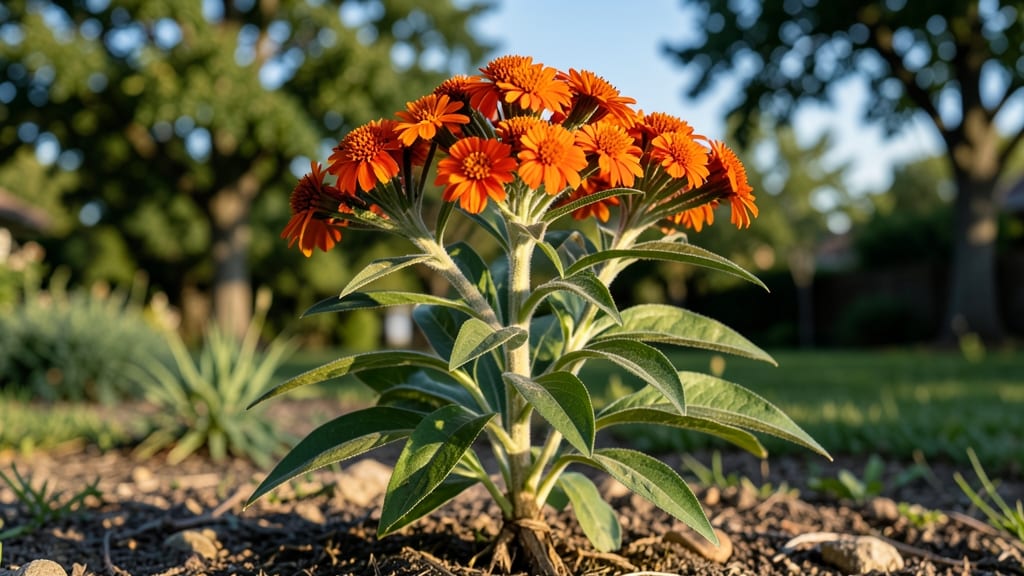
Butterfly weed blooms in vibrant orange from late spring to summer 🦋 — and knowing the exact timing can turn your garden into a pollinator hotspot.
Picture this: You’ve waited all season, and suddenly, your yard explodes with color as butterflies, bees, and hummingbirds flock to your Butterfly Weed. But if you plant too early or late, you might miss the show entirely.
The difference between a two-week burst of blooms and a month-long spectacle often comes down to where you live.
In Zone 6a, where I garden, the flowers typically appear in June, but in warmer climates like Zone 9, they might start as early as May.
Even a slight shift in timing can mean the difference between a brief display and a prolonged one that keeps your garden buzzing all summer.
Below, I’ll break down the bloom windows by zone, share tips to extend those gorgeous flowers, and suggest companion plants that make the most of your Butterfly Weed’s peak season.
Butterfly weed bloom time by USDA hardiness Zone: exact months for orange flowers
Butterfly weed (Asclepias tuberosa) transforms gardens with its fiery orange blooms, but the timing varies dramatically by USDA hardiness zone. In my experience, gardeners in Zone 3 often see blooms as early as late June, while those in Zone 9 might enjoy them until early September. Understanding these differences helps you plan companion plants and pollinator-friendly garden designs around its peak display.
This native milkweed thrives in full sun (6+ hours daily), but even sunlight exposure can shift bloom windows by 1-2 weeks. For example, plants in Zone 5 with partial shade might bloom 2 weeks later than those basking in full sun.
Let’s break down the exact months by zone so you can time your garden visits perfectly.
| Zone | Typical Bloom Start | Peak Bloom | Bloom End | Notes |
|---|---|---|---|---|
| 3-4 | Late June | July-August | Early September | Cooler climates may delay blooms by 1-2 weeks |
| 5-6 | Early July | July-August | Mid-September | Ideal for monarch butterfly migration |
| 7-8 | Mid-June | June-July | Late August | Longer bloom time in humid climates |
| 9-10 | Late May | June-July | Early September | May bloom twice with proper care |
In Zone 3-4, where summers are short, butterfly weed often starts blooming in late June and peaks in July-August. I’ve noticed that in Zone 4, a late frost can delay blooms until early July, so planting near a south-facing wall can provide that extra warmth.
The show typically winds down by early September, but seed pods form quickly after blooms fade.
Gardeners in Zone 5-6 enjoy the longest bloom windows, with flowers appearing as early as early July and lasting until mid-September. This timing aligns perfectly with monarch butterfly migration, making it a must-have for pollinator gardens.
In my Zone 5b garden, I’ve seen blooms stretch to October in mild years, especially when paired with drought-tolerant mulch.
Warmer zones like 7-8 experience earlier blooms, often starting in mid-June and peaking by July. The humidity in these regions can actually extend the bloom duration, sometimes until late August.
I’ve found that in Zone 7, butterfly weed thrives with minimal water once established, making it a low-maintenance choice for xeriscaping projects.
Southern gardeners in Zone 9-10 get the earliest show, with blooms beginning as soon as late May. The heat can cause flowers to fade faster, but with regular deadheading, I’ve seen a second flush of blooms in September.
In Zone 10, where winters are mild, plants may even bloom year-round in ideal conditions, though the display is usually most vibrant in spring and fall.
One critical factor affecting bloom time is soil drainage. Butterfly weed hates soggy roots, so amending heavy clay with sand or compost can encourage earlier and more abundant blooms. I’ve seen plants in Zone 6 with poor drainage bloom 3 weeks later than those in well-amended soil.
Always plant in raised beds or slopes if your native soil holds too much moisture.
For gardeners eager to extend the bloom season, I recommend deadheading spent flowers and removing seed pods as they form. This redirects the plant’s energy toward producing more blooms instead of seeds. In my Zone 8 garden, this technique has added 2-3 extra weeks of vibrant orange color.
Just be mindful not to prune too late in the season, as the plant needs time to prepare for winter.
Finally, pairing butterfly weed with companion plants that bloom before or after its peak can create a continuous pollinator buffet. For example, plant black-eyed Susans (which bloom in late summer) or purple coneflowers (which start in early summer) to bridge the gaps.
This strategy ensures your garden remains a butterfly magnet from spring through fall. 🦋
How to extend butterfly weed bloom time: pruning, deadheading, and soil tips
Butterfly weed (Asclepias tuberosa) typically blooms for 4-6 weeks in mid-to-late summer, but with the right care, you can stretch that show into 8 weeks or more.
The key lies in pruning strategies, deadheading techniques, and soil management—all designed to redirect the plant’s energy toward more flowers instead of seed production.
First, let’s tackle the biggest bloom-killer: seed pods. Once butterfly weed flowers fade, they develop woody seed pods that drain energy from new blooms. Removing these early can trigger a second flush of flowers later in the season.
But timing matters—wait until after the first frost to avoid shocking the plant.
🌱 numbered-highlights
- 1. Deadhead spent blooms weekly to prevent seed pods from forming.
- 2. Prune back 1/3 of stems after the first bloom cycle to encourage bushier growth.
- 3. Add compost in early spring to boost soil fertility without overfeeding.
- 4. Water deeply but infrequently—butterfly weed thrives on drought once established.
- 5. Avoid late-season pruning—cut back only after the first frost to protect new growth.
For soil tips, butterfly weed loves well-draining, sandy loam with a slightly alkaline pH (6.0-7.5). Amend heavy clay soil with coarse sand or perlite to prevent root rot.
A light application of 5-10-10 fertilizer in early spring can also encourage longer blooms, but avoid overfeeding—this plant prefers low-maintenance conditions.
One of my favorite tricks is selective pruning in early fall. After the first frost, trim back 1/3 of the plant’s height to remove weak stems. This encourages new growth in spring and often results in a more vigorous second bloom cycle the following summer.
Just be sure to use clean, sharp pruners to avoid disease.
Finally, drought tolerance is your ally here. Butterfly weed naturally thrives in dry conditions, so overwatering can actually shorten bloom time. Once established, water deeply every 10-14 days—this mimics its native prairie habitat and keeps flowers vibrant.
Mulch around the base with gravel or straw to retain moisture while preventing soil compaction.
With these simple adjustments, you’ll transform your butterfly weed from a short-lived summer flash into a long-blooming star that keeps monarchs and other pollinators visiting well into fall. 🦋