
Pests
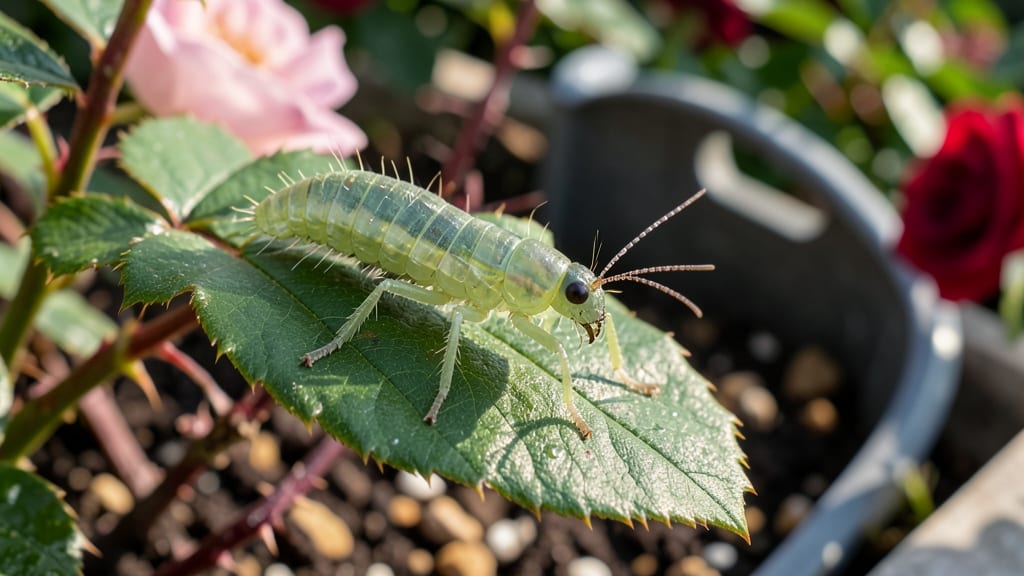
For bug repellent on roses, use organic options like neem oil, insecticidal soap, or garlic-based sprays to protect your plants from pests without causing harm. Apply these treatments during early morning or late evening to maximize effectiveness and avoid direct sunlight exposure.
Roses are a magnet for pests like aphids and spider mites, but the wrong repellent can damage their delicate foliage. 🌿 Organic solutions like neem oil disrupt pests' life cycles through its natural compound azadirachtin, while insecticidal soap breaks down their protective layers.
Garlic-based sprays add a pungent barrier that many insects find repellent. I've found that combining these methods—especially during the plant's active growth phase—keeps roses thriving while keeping pests at bay. The key is consistency: reapply every 7-10 days or after rain to maintain protection.
What makes these options so appealing is their dual action: they deter pests while nourishing the plant.
Unlike chemical pesticides, organic repellents don't leave harmful residues that could harm beneficial insects like bees or ladybugs. 🐝 For best results, always test sprays on a small leaf area first to ensure your roses tolerate the treatment.
This approach keeps your garden ecosystem balanced while giving you stunning, pest-free blooms all season.
💡 In This Article
- How Organic Rose Bug Repellents Work Against Common Pests
- DIY Organic Rose Spray Recipes for Aphids, Spider Mites & More
How organic rose bug repellents work against common pests
Neem oil's power comes from azadirachtin, a natural compound that disrupts pests' hormonal systems. This chemical mimics insect growth regulators, preventing larvae from maturing and adults from reproducing.
When applied to rose leaves, azadirachtin creates a protective film that repels soft-bodied insects like aphids and whiteflies while being completely harmless to mammals and beneficial insects. 🔥 The oil also contains salannin and nimbin, which act as contact poisons that paralyze pests' nervous systems within hours of contact.
Insecticidal soaps work through saponins, natural surfactants that break down the waxy protective layer on pests' exoskepts. This causes dehydration and suffocation, particularly effective against spider mites and thrips.
The soap molecules disrupt cell membranes, leading to rapid death for pests while leaving rose foliage unharmed when used at proper concentrations (typically 1-2 teaspoons per quart of water). Unlike synthetic pesticides, these soaps don't accumulate in soil or water systems, making them ideal for organic gardening.
Garlic-based repellents rely on sulfur compounds like allicin, which emit strong odors that mask rose plant scents insects use to locate hosts. These volatile compounds also interfere with pests' olfactory receptors, creating confusion that disrupts their feeding patterns.
When applied as a spray, garlic's active ingredients create a residual barrier that repels aphids and Japanese beetles for 3-5 days between applications. The bonus? Garlic also acts as a mild fungicide, preventing powdery mildew that often accompanies pest infestations.
What makes these organic options so effective is their multi-pronged approach. Neem oil affects pests' life cycles, insecticidal soaps provide immediate physical disruption, and garlic creates sensory confusion. Together, they create a comprehensive defense that addresses different pest behaviors while maintaining ecological balance.
The key difference from chemical pesticides is their selective toxicity - targeting only the pests you want to eliminate without harming your roses' health or the garden ecosystem.
For maximum effectiveness, timing matters. Early morning applications allow solutions to dry before sunlight intensifies, while evening sprays prevent UV degradation. The 1:1 ratio of water to oil in neem mixes creates optimal coverage, and adding 1 tablespoon of vegetable oil helps the solution adhere better to leaves.
This precision in application ensures the active compounds work exactly as intended - disrupting pests while nourishing your roses.
Consider this comparison: chemical pesticides might kill 90% of pests but also harm beneficial insects and leave toxic residues, while organic methods typically achieve 70-85% control with no environmental trade-offs. The trade-off is worth it for gardeners who prioritize long-term plant health over quick fixes. 💫