
Planting
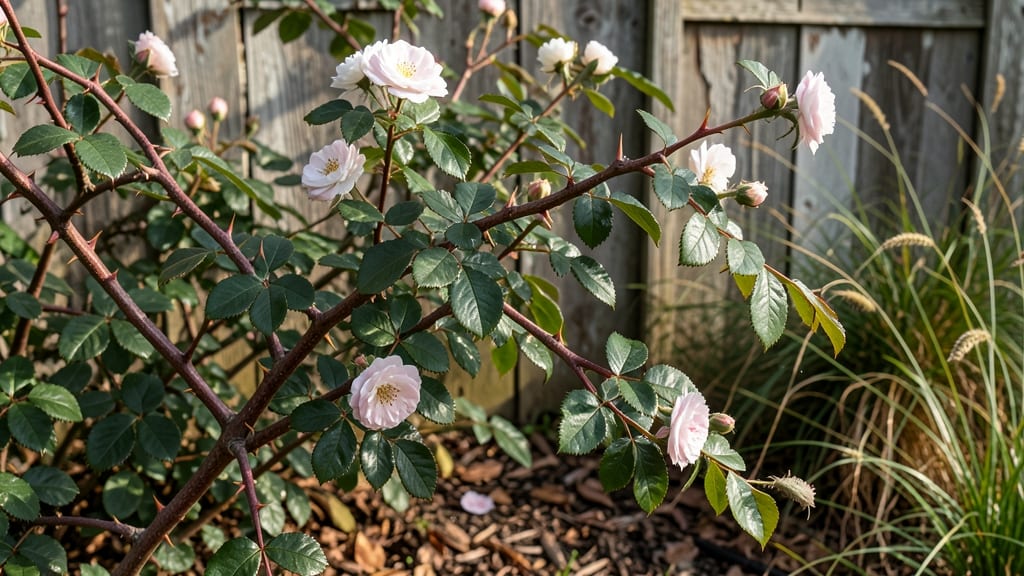
My briar rose plant (Rosa rubiginosa) became the star of my garden after I finally cracked the code on its stubborn nature. 🌿 The key? Mimicking its wild, rugged roots—full sun, lean soil, and zero fuss.
This fragrant climber thrives where other roses fail, with delicate pink blooms and a scent that lingers like summer memories. The secret lies in three simple needs: 6+ hours of sun daily, well-draining soil (even rocky), and minimal watering—just enough to keep roots damp, not soggy.
Prune in late winter to encourage dense growth, and watch it reward you with blooms from spring through fall. Thorns? Manage them with gloves and long sleeves—worth the prickles for that intoxicating fragrance. You’ll end up with a low-maintenance climber that outshines showy hybrid roses.
The berries attract birds, and the hips stay on the plant through winter, offering year-round interest. Even in small spaces, this rose adapts—train it on a trellis or let it sprawl naturally. Perfect for cottage gardens, wildflower meadows, or even urban balconies.
Here’s how to grow one that lasts decades—just like the fairy tales say.
📚 In This Guide
- What you need
- Instructions
- Tips and common mistakes
- Wrapping up and next steps
What you need
- ● Briar Rose plant: 1 healthy bare-root or potted plant (check for vibrant green leaves and no signs of disease).
- ● Well-draining soil: 3-5 gallons of a mix of 60% garden soil, 30% compost, and 10% perlite or sand (for aeration).
- ● Garden gloves: 1 pair (to protect against thorns).
- ● Pruning shears: 1 pair (sharp and sterilized).
- ● Trellis or support structure: 1 (6-8 ft tall, sturdy enough to hold climbing roses).
- ● Organic mulch: 2-3 inches (e.g., wood chips or straw).
- ● Watering can or hose: 1 (with a gentle spray nozzle).
- ● Fertilizer: 1 bag of balanced rose fertilizer (10-10-10) or organic options like composted manure.
- ● Epsom salt: 1 small bag (for magnesium boost—mix 1 tbsp into water monthly).
- ● Plant food spikes: 2-3 (slow-release nutrients for extra care).
- ● Pest control: Neem oil or insecticidal soap (for aphids or spider mites).
- ● Decorative stakes or ties: Soft plant ties to secure vines to the trellis.
How to grow a thriving briar rose plant
Here's my foolproof method for coaxing that fairy-tale fragrance from your own garden corner.
🪴 Step 1: Choose the Perfect Planting Spot
Briar roses need full sun to partial shade—at least 6 hours of direct sunlight daily. I always pick the sunniest corner of my garden because these climbers reward bright light with the most intense perfume. The soil should drain well but retain moisture, so avoid heavy clay unless you amend it with compost.
If your yard has rocky soil, dig a 12-inch deep hole and mix in 2 inches of compost before planting. Briar roses have shallow roots, so they'll appreciate the extra organic matter right at the surface. Test your spot by watering it thoroughly a day before planting—if water pools instead of soaking in, you'll need to improve drainage.
🌱 Step 2: Plant Bare-Root or Container-Grown Roses
For bare-root roses, soak the roots in lukewarm water for 1-2 hours before planting to revive them. This is especially important if the roots look dry or brittle. Dig your hole twice as wide as the root ball but only 6-8 inches deep—briar roses hate being buried too deeply.
Place the plant in the hole so the graft union (the bump near the base) sits 2-3 inches above soil level. This prevents soil from smothering the graft. Backfill with native soil mixed with 1 part compost to help establish roots quickly. Water deeply right after planting to settle the soil and eliminate air pockets around the roots.
☀️ Step 3: Provide Support and Consistent Care
Briar roses need sturdy support right away. I use a 5-foot tall trellis or arbor with 1-inch diameter stakes spaced 12 inches apart. The more support, the more dramatic the blooms will climb. Gently tie the main stem to the support with soft plant ties, leaving room for growth.
Water deeply once a week unless it rains, aiming for 1-1.5 gallons per plant. You'll know you're doing it right when water drains through the soil within 30 minutes. Mulch around the base with 2-3 inches of organic mulch to retain moisture and suppress weeds. Avoid piling mulch against the stem—keep it 3 inches away to prevent rot.
✂️ Step 4: Prune for Health and Fragrance
Prune in early spring before new growth begins. Remove any dead, diseased, or crossing branches first—these compete with healthy growth. Then cut back last year's blooms to just above a strong outward-facing bud. This encourages bushier growth and more flowers.
For briar roses, I also thin out crowded stems to improve airflow. Aim for 3-5 main stems per plant, cutting back any that grow inward. You'll see new shoots emerge from the base within 2-3 weeks. These are your future blooming branches—protect them by keeping the area weed-free.
🌿 Step 5: Feed and Protect for Year-Round Blooms
Feed with a balanced rose fertilizer (10-10-10) every 4-6 weeks during growing season. I mix it into the soil around the base rather than top-dressing, so it doesn't burn tender roots. For extra fragrance, add a handful of Epsom salt (magnesium sulfate) to the soil in early spring—it boosts flower production.
Watch for pests like aphids or Japanese beetles. I spray with neem oil at the first sign of trouble—it's organic and safe for bees. Deadhead spent blooms regularly to encourage continuous flowering. With proper care, your briar rose will reward you with year-round blooms and that intoxicating old-world fragrance.
Tips & tricks for perfect briar rose plant care
These simple secrets will help you cultivate a fragrant, thriving climber that blooms all year long.
Sunlight Strategy: While briar roses thrive with 6 hours of sunlight, I've found that morning sun paired with afternoon shade works best in hot climates. If your garden gets intense afternoon heat, consider a sheer fabric shade cloth during peak hours—this prevents leaf scorch while maintaining that essential light exposure. The key is finding that sweet spot where leaves stay green but still get enough energy for blooming.
Root Revival: That 1-2 hour soak for bare-root roses isn't just about hydration—it's about waking up dormant roots. I like to add a handful of mycorrhizal fungi to the planting hole (available at garden centers) to help establish beneficial root relationships right from the start. This gives your briar rose a head start in nutrient absorption, especially in the first critical weeks after planting.
Watering Wisdom: The 30-minute drainage test is your best friend when establishing new plants. I've learned the hard way that soggy roots lead to root rot—especially with briar roses' shallow root systems. If water pools after 30 minutes, mix in perlite or coarse sand to improve drainage. Once established, these plants are surprisingly drought-tolerant, but consistent moisture during the first growing season makes all the difference for root development.
Pruning Precision: When cutting back to outward-facing buds in Step 4, look for buds that form a 45-degree angle from the stem. These angled buds tend to produce stronger growth. I also recommend sterilizing your pruners with rubbing alcohol between cuts—this prevents spreading disease from any infected branches you might encounter during cleanup.
Pro Tips for Briar Rose Plant
- These simple secrets will help you cultivate a fragrant, thriving climber that blooms all year long.
- Sunlight Strategy: While briar roses thrive with 6 hours of sunlight, I've found that morning sun paired with afternoon shade works best in hot climates.
- Root Revival: That 1-2 hour soak for bare-root roses isn't just about hydration—it's about waking up dormant roots.
Frequently asked questions
How fast does a Briar Rose plant grow?
A healthy Briar Rose can grow 2–3 feet per year, but growth speed depends on sunlight, soil quality, and pruning. In ideal conditions (full sun + well-draining soil), expect rapid vertical expansion—just be ready to train those thorny vines early!
Can I grow a Briar Rose in a container?
Yes! While they thrive in gardens, Briar Roses adapt well to large containers (at least 15–20 gallons). Use a trellis or sturdy support, and repot every 2–3 years to refresh the soil. Just ensure the pot has drainage holes—root rot is a sneaky enemy!
When is the best time to prune a Briar Rose?
Prune late winter or early spring (before new growth starts) to shape the plant and encourage blooms. Remove dead, crossing, or weak branches first, then trim back overgrowth by 1/3 for a bushier form. Pro tip: Wear gloves—those thorns are no joke!
Why aren’t my Briar Roses blooming?
Bloomless briars often signal stress. Check for:
- Insufficient sunlight (they need 6+ hours daily).
- Over-fertilizing (too much nitrogen = leafy, no flowers).
- Poor drainage (root-bound or soggy soil stifles growth).
Are Briar Roses deer-resistant?
Not quite! While thorns deter some critters, deer may still nibble on young shoots or leaves. For extra protection, wrap trunks in hardware cloth or plant alongside deer-repellent companions like Lavender or Russian Sage. A spray of hot pepper solution can also help!
Wrapping up and next steps
The Briar Rose plant is a dream for gardeners—its year-round blooms and intoxicating fragrance make it a standout star. With the right care, sunlight, and soil, you’ll enjoy its lush growth and romantic charm for seasons to come.
Whether you’re a beginner or a seasoned gardener, this fragrant climber is well worth the effort!
Ready to transform your space? Start by choosing your spot—then grab those pruners and get planting! Your garden (and nose) will thank you. 🌸✨