
Shrubs
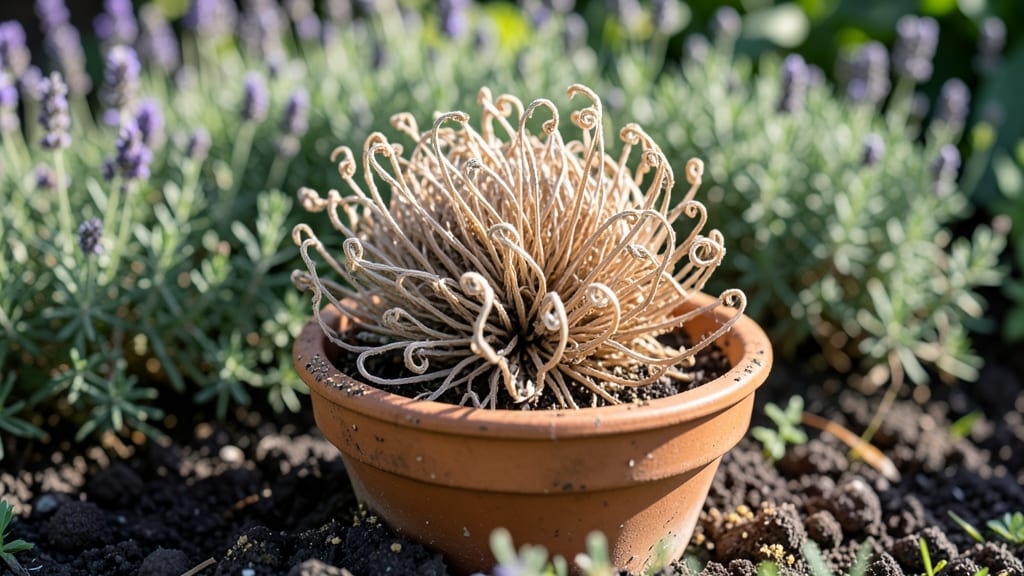
This desert resurrection plant unfurls like a miracle after just a few hours in water—something I’ve watched happen dozens of times with my own Rose of Jericho. 🌵 Unlike most plants, it thrives in the wild by curling into an impenetrable ball during droughts, then bursting back to life when moisture returns.
That same resilience makes it perfect for outdoor gardens if you mimic its natural habitat.
The key to growing it outdoors lies in replicating the arid conditions of its Mexican and southwestern U.S. home. It needs full sun**, well-draining soil, and minimal watering—just enough to keep the roots damp without soggy soil.
Unlike most plants, it doesn’t need regular fertilizer; in fact, too much can harm it. Instead, let it go dormant naturally in dry spells, then revive it with a quick soak when the weather turns warm again.
What you’ll end up with is a year-round green accent plant that stays compact, drought-proof, and surprisingly fragrant when handled. Mine even survived a 100-degree summer in a pot on my patio, curling up during the day and unfurling in the cooler evenings.
The best part? It spreads easily—just dry out a few branches, and they’ll root themselves when watered again.
Works best in USDA zones 9-11, but can be overwintered indoors in colder climates. The secret to long-term success is letting it dry out completely between waterings—just like it does in the wild.
Once you master this, you’ll have a self-sustaining, nearly indestructible plant that’s as fascinating as it is beautiful.
📚 In This Guide
- What you need
- Instructions
- Tips and common mistakes
- Wrapping up and next steps
What you need
- ● Dormant Rose of Jericho (Selaginella lepidophylla): 1-3 plants (wild-harvested or purchased from a nursery). Note: If wild-harvesting, ensure you’re not disturbing protected habitats.
- ● Distilled water: 1-2 gallons (room temperature, free of chlorine). Pro tip: 💡 Use rainwater or filtered water for best results!
- ● Clear glass container: 1 large jar or vase (e.g., 16-24 oz, wide-mouthed for airflow).
- ● Small pebbles or aquarium gravel: ½ cup (for drainage and stability).
- ● Tweezers or tongs: 1 pair (for gently handling the delicate plant).
- ● Spray bottle: 1 (for misting if humidity drops).
- ○ Humidity dome or plastic wrap: Optional (to create a mini greenhouse effect).
- ● Grow lights or sunny windowsill: Indirect light source (4-6 hours/day).
- ○ Notebook & pen: Optional (to track revival progress!).
Step-by-step instructions for reviving Rose of Jericho in the wild
Here's how I bring these desert resurrection plants back to life—every time.
🌱 Step 1: Locate and Collect Dormant Specimens
Find Rose of Jericho plants in their natural arid habitats—dry creek beds, rocky slopes, or disturbed soils where they've curled into protective seedpods. Look for the distinctive paper-like, curled brown structures about 1-2 inches wide. Handle them gently; they're brittle when dormant.
Collect only what you need—these plants are protected in many regions. I always leave at least 50% of any cluster to ensure the species thrives. Use a small trowel to carefully lift them from the soil without damaging the delicate stems. Place them in a paper bag or mesh breathable container to prevent moisture buildup during transport.
💧 Step 2: Prepare the Revival Environment
Fill a shallow container—like a 6-inch wide ceramic saucer or glass dish—with room-temperature distilled water. Avoid tap water if your area has high mineral content; it can leave deposits that harm the plant. The water level should be just enough to cover the bottom ¼ inch of the curled plant.
Place the container in a location with indirect bright light—a north-facing windowsill works best. Direct sunlight can overheat the water and stress the plant before it revives. I like to set up a small humidifier nearby to mimic the sudden moisture shift these desert plants experience in nature.
☀️ Step 3: Monitor the Unfolding Process
Within 24-48 hours, you'll see the curled fronds begin to unfurl like a blooming flower. This is your signal that the revival is working! The plant will gradually open into a flat, lacy green rosette over 3-5 days, revealing its vibrant green leaves.
Keep the water level consistent—never let it dry out completely, but avoid submerging the plant. If the water evaporates, add more distilled water only. You'll know it's thriving when the leaves develop a deep green hue and the plant stands upright on its own. This usually happens within 7-10 days of full unfurling.
🌿 Step 4: Transition to Soil and Long-Term Care
Once the plant is fully unfurled and vibrant, prepare a well-draining potting mix—I use a blend of 50% cactus/succulent mix and 50% perlite. Gently lift the plant from the water and let any excess moisture drain before placing it in a 4-inch diameter pot with drainage holes.
Plant it shallowly—only ½ inch deep—since its roots are minimal. Water lightly immediately after planting, then wait until the top inch of soil feels dry before watering again. Place it in bright, indirect light for the first week to help it adjust to soil conditions.
⏰ Step 5: Maintain Year-Round Fragrance and Health
Rose of Jericho thrives in 60-75°F temperatures and requires minimal watering once established. Water every 2-3 weeks during the growing season, allowing the soil to dry completely between waterings. In winter, reduce watering to every 4-6 weeks—these plants naturally enter dormancy when conditions dry out.
To encourage fragrance, place the plant in a bright, airy spot with occasional fresh air circulation. The scent intensifies when the plant is healthy and well-hydrated but not waterlogged. If the leaves start to yellow or curl again, it's a sign of overwatering—reduce frequency immediately. With proper care, your Rose of Jericho will reward you with year-round delicate fragrance and stunning foliage.
Tips & tricks for perfectly reviving Rose of Jericho
These game-changing insights will help you coax life back into your desert resurrection plants with confidence and precision.
The Collection Caution: Real talk—those curled brown pods are delicate when dormant. I learned this the hard way after crushing a batch during collection. Use a soft brush or your fingertips to gently lift them from the soil, and avoid stacking them in transport. The goal is to preserve their structural integrity until they hit the revival water.
Water Chemistry Matters: The instructions specify distilled water for a reason—mineral deposits from tap water can clog the plant's microscopic pores, preventing proper hydration. If you're in a hard-water area, consider using filtered water or even rainwater collected in a clean container. The ¼-inch water level is crucial; too much submerges the plant, while too little starves it.
Lighting Strategy: North-facing windows are ideal, but if that's not an option, a grow light on a timer set for 12 hours daily works wonders. Direct sunlight can scorch the delicate unfurling fronds, so if you notice leaves turning yellow or crispy, move the plant immediately to indirect light. The 3-5 day unfurling window is your best indicator of progress—watch for the first green tips emerging from the center.
Soil Transition Hack: When moving from water to soil, I recommend a two-step approach: First, let the plant sit in a shallow tray of damp perlite for 24 hours to acclimate. This mimics the gradual moisture transition these desert plants experience in nature. Then proceed with the ½-inch shallow planting—any deeper, and you risk suffocating the minimal root system.
Pro Tips for Rose Of Jericho In The Wild
- These game-changing insights will help you coax life back into your desert resurrection plants with confidence and precision.
- The Collection Caution: Real talk—those curled brown pods are delicate when dormant.
- Water Chemistry Matters: The instructions specify distilled water for a reason—mineral deposits from tap water can clog the plant's microscopic pores, preventing proper hydration.
Frequently asked questions
about the Rose of Jericho in the wild—because nature’s resilience deserves a little extra clarity!Can the Rose of Jericho survive year-round in the wild without human intervention?
The Rose of Jericho thrives in its natural desert habitats (like the Middle East and North Africa) but relies on seasonal rains to "wake up." In drier climates, it may go dormant for years, reviving only when moisture returns. While it’s tough, it’s not independent—think of it as a survivalist, not a low-maintenance plant!
How long does it take for a dried Rose of Jericho to bloom again after watering?
Expect a dramatic transformation! Within 24–48 hours of rehydration, the plant unfurls its papery branches. Full blooming (if it’s a flowering variety) takes 1–2 weeks. Pro tip: Mist it lightly at first—soaking it too fast can cause rot.
Where in the wild can I find Rose of Jericho growing naturally?
This desert dweller loves arid regions with sparse rainfall. Spot it in:
- Middle East: Israel, Jordan, Saudi Arabia (common in wadis—dry riverbeds).
- North Africa: Morocco, Egypt (often near rocky outcrops).
- Southern Europe: Rarely, in Greece or Spain’s driest zones.
Warning: Avoid disturbing wild populations—many are protected. Collect seeds or purchase cultivated varieties instead!
What can I do if my Rose of Jericho stays curled up even after watering?
Don’t panic! Try these fixes:
- Check water quality: Use dechlorinated or rainwater—chlorine can stunt revival.
- Temperature shock: Place it in a cool (50–60°F) spot for 24 hours to mimic natural dormancy breaks.
- Patience: Some varieties take up to a week to respond. If it’s truly dead, the center will stay brown.
Still no luck? It might be a non-viable specimen—try propagating from seeds!
Are there alternatives to the Rose of Jericho for drought-tolerant, fragrant shrubs?
If you love resilience + scent, try:
- Lavender (Lavandula): Thrives in dry soil, blooms purple, and smells heavenly. Bonus: Bees adore it!
- Rosemary (Rosmarinus officinalis): Evergreen, fragrant, and drought-proof—great for cooking too!
- Desert Willow (Chilopsis linearis): Not a true willow, but its trumpet flowers attract pollinators.
For a similar "resurrection" trick, try Selaginella ("resurrection plant")—it’s a mossy cousin!
Wrapping up and next steps
The Rose of Jericho is a remarkable symbol of resilience, proving that life thrives even in the harshest conditions.
By understanding its natural dormancy and how to nurture it—whether in the wild or at home—you can enjoy its fragrant beauty year-round. Now’s your chance to cultivate this hardy plant and share its magic with others!
🌱 Next Steps:
- Start with a single Rose of Jericho and experiment with its care.
- Share your discoveries with fellow plant lovers—join gardening forums or local groups!
- Try growing it alongside other drought-resistant plants for a stunning, low-maintenance garden.