
Flowers
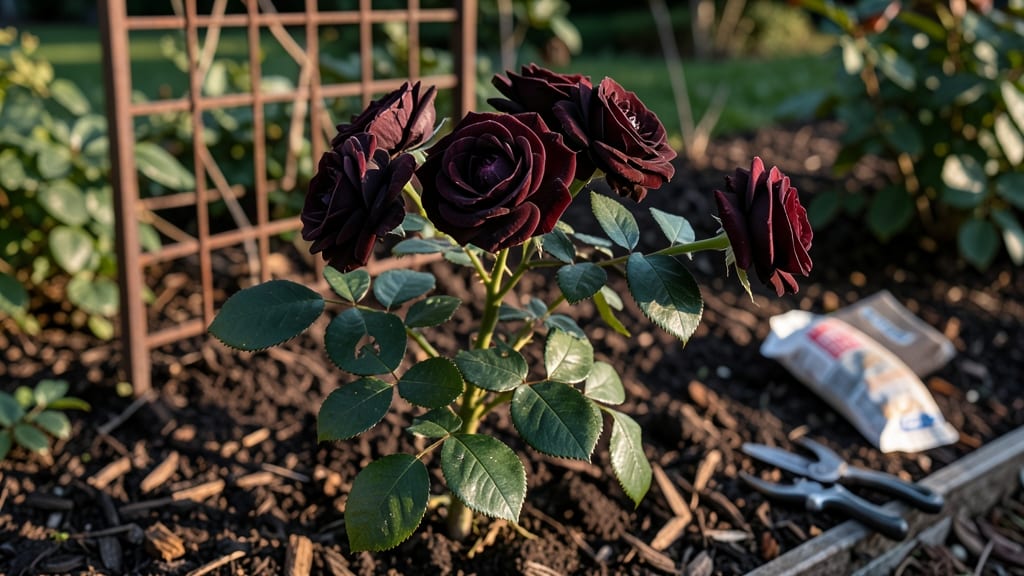
Growing a black blood rose transforms your garden into a dramatic centerpiece with deep velvet blooms that defy the usual rose palette. 🌹 I’ve grown these striking varieties for years, and the secret to their rich color and resilience lies in the soil, sunlight, and a few pruning tricks most gardeners overlook.
The key starts with well-draining soil packed with organic matter—think compost mixed with perlite to keep roots happy. These roses thrive in full sun (6+ hours daily) and need deep watering once a week, though they’re surprisingly drought-tolerant once established.
Prune in early spring to encourage strong growth and remove dead wood, which keeps the plant focused on producing those signature dark blooms.
What makes them special? Their fragrant, velvety petals stay deep red when given the right care, and their iron-clad disease resistance means fewer sprays and more blooms. The trade-off? They demand attention to pests like aphids and black spot—so keep an eye out for early signs.
With the right approach, you’ll enjoy months of dramatic blooms from late spring through fall.
📚 In This Guide
- What you need
- Instructions
- Tips and common mistakes
- Wrapping up and next steps
What you need
- ● Ready to cultivate your own Black Blood Rose? These dramatic, deep-velvet blooms are worth the effort! Here’s everything you’ll need to get started—from essentials to nice-to-haves.
Step-by-Step instructions for growing Black Blood roses
Here's the method I've used to cultivate these dramatic, disease-resistant roses—now let's get your garden ready for their striking presence.
🌱 Step 1: Select and Prepare the Planting Site
Black Blood roses thrive in full sun for at least 6 hours daily, but they tolerate partial shade in hot climates if given afternoon relief. Choose a location with well-draining soil—these roses despise soggy roots. I always test soil pH first; aim for 6.0-6.5 (too alkaline causes iron deficiency). If your soil is heavy clay, amend with 2-3 inches of compost mixed into the top 12 inches of soil.
Dig a hole twice as wide as the root ball but only as deep—planting too deep suffocates the graft union. Loosen the roots gently if they're circling; this prevents girdling as the plant establishes. Here's the thing—Black Blood roses are vigorous, so space them 3-4 feet apart to allow airflow and reduce disease risk.
☀️ Step 2: Plant and Establish Proper Watering Habits
Place the rose in the hole, backfill with native soil, and water deeply to settle it. I always add a 2-inch layer of mulch (wood chips or straw) around the base, keeping it 6 inches from the stem to prevent rot. Water twice weekly for the first month, then taper to once weekly once established—overwatering invites black spot.
Watch for new growth in 4-6 weeks; this signals successful rooting. You'll notice the first flush of deep burgundy leaves—don't panic if they look wilted at first. Black Blood roses are drought-tolerant once established, but deep watering (1 inch per week) during their first year builds strong roots. Use drip irrigation if possible to keep foliage dry and prevent fungal issues.
✂️ Step 3: Prune for Structure and Disease Prevention
Prune in early spring (before buds swell) to remove dead, crossing, or weak canes. Cut just above an outward-facing bud, making the cut at a 45-degree angle. I always sterilize pruners with rubbing alcohol between cuts—this is critical for Black Blood roses, which are prone to canker if tools carry pathogens.
After flowering, perform a light summer trim to encourage bushiness. Remove spent blooms by cutting back to the first 5-leaflet leaf—this redirects energy to next year's flowers. Here's what I do: I inspect canes for blackened spots (a sign of canker) and prune those immediately. Black Blood roses are famously disease-resistant, but air circulation is key—never let branches grow too densely.
🌿 Step 4: Fertilize and Maintain for Long-Term Health
Feed in early spring with a balanced rose fertilizer (10-10-10) at half strength. I switch to an organic compost tea in midsummer to avoid salt buildup. Black Blood roses are heavy feeders, but too much nitrogen leads to weak stems. Look for deep green leaves—if they're pale, it's time to fertilize again.
Monitor for aphids or spider mites (common pests even on disease-resistant roses). Spray with neem oil at the first sign of infestation—these roses handle pests better than most, but neglect invites problems. I also check for Japanese beetles and handpick them daily during peak season. The velvety blooms attract pollinators, so avoid broad-spectrum pesticides.
⏰ Step 5: Prepare for Winter Dormancy
In late fall, reduce watering and stop fertilizing. Mound 4-6 inches of mulch around the base to insulate roots—Black Blood roses are cold-hardy but benefit from protection in Zone 5 and below. I leave the foliage intact; the plant's natural sugars protect it better than pruning at this stage.
Watch for early spring regrowth—this is your cue to remove winter mulch and resume care. You'll see buds swell in late April or early May, depending on your climate. Here's the key: Don't prune until you see new growth. The plant's energy reserves are critical for breaking dormancy, and pruning too early stresses it unnecessarily.
Tips & tricks for cultivating Black Blood roses
Black Blood roses reward patience with their velvety blooms—here's how to give them the best possible start.
Soil Preparation Secret: The 6 hours of sunlight requirement is non-negotiable, but soil quality makes all the difference. I've found that adding 1 part perlite to your amended soil mix improves drainage without compromising moisture retention. This is especially important in clay-heavy soils where Black Blood roses often struggle. Test your soil's moisture level after watering—it should feel like a damp sponge, not a soggy rag.
Planting Depth Insight: That "as deep" instruction about planting depth is critical for grafted roses like Black Blood. The graft union should sit just above soil level—no deeper. I use a small stake to mark the correct depth before planting. If you bury it too deep, the rose may suffocate and fail to bloom. After planting, gently press soil around the roots to eliminate air pockets, but don't compact it like you would for vegetables.
Watering Strategy: The twice-weekly watering schedule for the first month is perfect, but timing matters more than frequency. Always water in the early morning so foliage has all day to dry. Wet leaves at night create ideal conditions for black spot, even on disease-resistant varieties. I've seen Black Blood roses develop minor fungal issues when gardeners water in the evening despite their reputation for resistance.
Pruning Precision: When making those 45-degree cuts in Step 3, visualize the bud as the center of a clock—position your cut so the bud faces outward at about the 10 o'clock position. This creates the perfect angle for new growth to emerge. I sterilize my pruners with rubbing alcohol between every 3-4 cuts to prevent canker spread, which can be devastating to these roses. The first 5-leaflet leaf marker is your guide for deadheading—don't cut below it, or you risk exposing the plant to diseases through open wounds.
Pro Tips for Black Blood Rose
- Black Blood roses reward patience with their velvety blooms—here's how to give them the best possible start.
- Soil Preparation Secret: The 6 hours of sunlight requirement is non-negotiable, but soil quality makes all the difference.
- Planting Depth Insight: That "as deep" instruction about planting depth is critical for grafted roses like Black Blood.
Frequently asked questions
Got questions about cultivating black blood roses? You’re not alone!
These dramatic, deep-velvet blooms are stunning but come with unique care needs. Below, we tackle the most common queries—from soil secrets to troubleshooting—so you can grow a thriving, iron-resistant garden centerpiece.
What’s the best soil mix for black blood roses?
These roses thrive in well-draining, slightly acidic soil (pH 6.0–6.5). Mix equal parts garden soil, compost, and perlite or sand to prevent root rot. Avoid heavy clay—amend with organic matter like leaf mold or peat moss. Pro tip: Add a handful of iron sulfate at planting to boost their signature dark foliage!
How long does it take for black blood roses to bloom?
Patience is key! From planting bare-root roses, expect first blooms in 6–12 months if conditions are ideal. Container-grown roses may flower sooner (3–6 months). Key factors: Full sun (6+ hours), consistent watering, and regular pruning (after blooming) speed up the process.
Why are black blood roses resistant to disease?
These roses inherit hybrid tea + floribunda genetics with iron-enriched foliage, which naturally deters fungal diseases like black spot. Their thick, waxy petals also repel pests. But don’t slack! Still monitor for aphids or powdery mildew—neem oil or copper fungicide can help if needed.
Can I grow black blood roses in containers?
Absolutely!
Use a 5-gallon pot minimum with drainage holes and a balanced rose fertilizer (like 10-10-10). Repot every 2–3 years to refresh soil. Container tip: Place pots in morning sun to avoid scorching—these roses love light but hate overheating.
What should I do if my black blood rose leaves turn yellow?
Yellow leaves usually signal overwatering, nutrient deficiency, or fungal issues. Troubleshoot:
- Check soil moisture: Stick your finger 2" deep—water only if dry.
- Fertilize: Use an iron chelate or rose-specific feed (high in magnesium).
- Inspect for pests: Look for spider mites or rust spots on undersides of leaves.
Wrapping up and next steps
The Black Blood Rose isn’t just a stunning addition to your garden—it’s a statement of bold beauty and resilience. With its deep, velvety blooms and iron-clad disease resistance, this rose proves that dark elegance thrives with the right care.
Whether you’re a seasoned gardener or a curious beginner, the key takeaway is simple: patience, proper soil, and a little love will reward you with breathtaking results.
Ready to dive in? Start small—grab a cutting, prep your space, and watch your garden transform. Your Black Blood Rose dream garden awaits! 🌹✨