
Shrubs
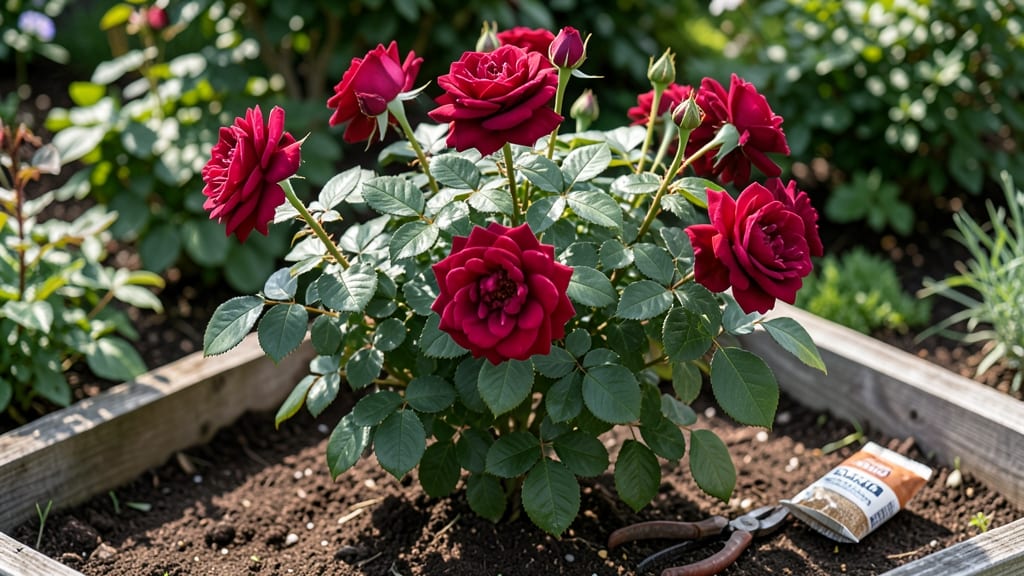
To grow the biggest rose bushes you've ever seen, start with climbing varieties like 'New Dawn' or 'Zephirine Drouhin'—these can reach 20 feet or more with the right care. 🌹 I learned the hard way that most gardeners underestimate how much space and support these giants need.
The secret isn't just pruning or fertilizer—it's creating the perfect foundation from day one, where roots spread deep and stems grow strong enough to support their own weight.
Begin with well-draining soil mixed with compost, and plant in a location with at least 6 hours of sunlight daily. A sturdy trellis or arbor isn't just decorative—it's essential for guiding growth upward and preventing sprawl.
Most people skip this step, leading to weak canes that snap under the weight of blooms. I've seen 'New Dawn' roses climb 15 feet in a single season when given proper support and care.
Pruning might seem counterintuitive for size, but selective cutting in late winter encourages thicker canes and more blooms. Focus on removing crossing branches and weak growth, leaving strong, outward-facing stems. Water deeply once a week (more in extreme heat) and feed with a balanced rose fertilizer every 4-6 weeks.
The payoff? Bushes that burst with blooms from spring to frost, covering walls or trellises in a sea of color.
This method works for both climbers and shrub roses, though climbers will naturally reach greater heights. The key is patience—these giants take 2-3 years to mature fully, but once established, they become the showstopper of any garden. Here's how to set them up for success from the start.
📚 In This Guide
- What you need
- Instructions
- Tips and common mistakes
- Wrapping up and next steps
What you need
- ● Rose Bushes: Disease-resistant climbers (e.g., 'New Dawn' or 'Blaze'). Quantity: 1–3 per trellis/arbor.
- ● Well-Draining Soil: Mix of 50% garden soil, 30% compost, and 20% perlite/sand. Volume: 2–3 cubic feet per plant.
- ● Support Structure: Sturdy trellis, arbor, or fence (at least 6–8 feet tall).
- ● Organic Fertilizer: Balanced 10-10-10 or rose-specific formula (e.g., Espoma Rose-Tone). Amount: 2–3 lbs per bush.
- ● Mulch: Wood chips or straw (2–3 inches thick) to retain moisture.
- ● Pruning Tools: Bypass pruners (for clean cuts).
- ● Loppers (for thicker stems).
- ● Sharp pruning saw (for stubborn branches).
- ● Watering System: Drip irrigation or hose with adjustable nozzle (for deep watering).
- ● Gloves & Long Sleeves: Protect against thorns and pests.
- ● Soil pH Tester: Aim for 6.0–6.5 (adjust with lime/sulfur if needed).
- ● Rose Food Spikes: Slow-release nutrients for convenience.
- ● Copper Fungicide: Prevents black spot (apply preventatively).
- ● Stake & Twine: Secure young plants until established.
- ● Heat Mat (Cold Climates): Extends growing season for tender varieties.
Step-by-step blueprint for maximizing rose bush growth
Here’s how to cultivate towering, blooming climbers with structural strength and lush foliage.
🌱 Step 1: Select and Prepare the Right Rose Variety
Climbing roses like ‘New Dawn’ or ‘Blaze’ reach 15-25 feet with proper support, but not all varieties thrive equally. Choose grafted roses—look for strong canes and healthy buds at the graft union. I always inspect the root system for signs of disease before planting. Avoid roses labeled "shrub" or "landscape"—these won’t reach their full climbing potential.
Dig a hole twice as wide as the root ball but only as deep as the container’s root depth. Loosen the roots gently if they’re circling—this prevents girdling as the plant matures. Place the rose so the graft union sits 2-3 inches above soil level. This ensures the bush grows upward instead of producing unwanted suckers below the graft.
☀️ Step 2: Plant in Full Sun with Structural Support
Roses need 6-8 hours of direct sun daily—no exceptions. A south- or west-facing wall or trellis provides ideal conditions. Install a strong support structure (like a 10-foot arbor or sturdy fence) before planting. I use 3-inch galvanized metal pipes buried 2 feet deep for heavy climbers—they won’t rot like wooden stakes.
Backfill the hole with a mix of native soil and compost (equal parts) to encourage root spread. Water deeply to settle the soil, then create a 2-inch-high berm around the base to direct water toward the roots. Mulch with 3-4 inches of wood chips, keeping it 6 inches away from the stem to prevent rot.
💧 Step 3: Water Deeply and Fertilize Strategically
Newly planted roses need 1-2 gallons of water every other day for the first two weeks, then taper to deep weekly watering once established. Water at the base, not overhead—this reduces fungal diseases like black spot. I use a soaker hose for slow, even moisture penetration.
Fertilize with a balanced rose-specific formula (10-10-10) at planting, then again in early spring and mid-summer. Avoid high-nitrogen feeds—too much green growth weakens blooms. I also add 1 tablespoon of Epsom salt monthly during bloom season for magnesium, which prevents yellowing leaves.
✂️ Step 4: Prune for Height and Bloom Volume
Prune late winter or early spring before new growth starts. Remove dead, crossing, or inward-growing canes first—these compete for energy. For climbing roses, cut back last year’s blooms to a strong outward-facing bud to encourage upward growth. I never prune more than one-third of the plant in a season; aggressive cuts stunt height.
Train new canes to the support structure by tying them loosely with soft plant ties (never wire or twine—it cuts into bark). Space ties every 12 inches to distribute weight evenly. Prune again in summer after flowering to remove spent blooms and encourage a second flush.
🌿 Step 5: Monitor and Protect for Long-Term Growth
Watch for aphids or spider mites—common pests on climbing roses. I spray with neem oil weekly during peak growing months to prevent infestations. Also, thin out crowded canes annually to improve airflow and reduce disease risk. A mature climbing rose should have 3-5 main stems with lateral branches.
In fall, apply a 4-inch layer of mulch and reduce watering as temperatures drop. Prune lightly to remove weak or diseased wood, but leave winter-hardy canes intact. With consistent care, your rose will reach its maximum height in 3-5 years—and the blooms? They’ll be bigger than you’ve ever seen.
Tips & tricks for maximizing your climbing roses' height and blooms
Here’s how to turn your climbing roses from average to absolutely breathtaking—without the guesswork.
Variety Selection Matters: The 15-25 foot height potential only applies to true climbers like ‘New Dawn’ or ‘Blaze’. Hybrid teas or floribundas won’t reach these heights—stick to varieties specifically bred for vertical growth. I’ve seen gardeners plant shrub roses expecting climber results, only to be disappointed after years of waiting. Always check the label for "climbing" designation.
Support System Secret: That 10-foot arbor or sturdy fence you’re installing? Make it wider than you think. Climbing roses need 3-5 main stems spaced evenly—each stem should have its own vertical support to prevent tangling. I’ve had roses reach 20 feet but collapse because their canes were all tied to a single central post. Distribute the weight!
Watering Wisdom: The 1-2 gallons every other day for two weeks is non-negotiable, but here’s the trick: water at the base in the morning. This gives foliage time to dry before evening, reducing fungal diseases like black spot. I’ve seen roses with perfect watering schedules still develop spots because people watered at night. Also, that 2-inch berm you create? It’s not just for looks—it’s a moisture reservoir that keeps roots consistently hydrated.
Pruning Precision: When you cut back last year’s blooms to a strong outward-facing bud in Step 4, look for buds that are facing the direction you want growth—usually away from the center of the plant. I’ve trained roses to grow in specific patterns by choosing bud angles carefully. And that one-third pruning rule? It’s not just about quantity—it’s about maintaining the plant’s energy balance. Too much pruning forces the rose to put all its energy into new growth rather than climbing higher.
Pro Tips for Biggest Rose Bushes
- Here’s how to turn your climbing roses from average to absolutely breathtaking—without the guesswork.
- Variety Selection Matters: The 15-25 foot height potential only applies to true climbers like ‘New Dawn’ or ‘Blaze’.
- Support System Secret: That 10-foot arbor or sturdy fence you’re installing?
Frequently asked questions
Got questions about growing the biggest, most stunning rose bushes?
You’re not alone! Here are answers to the most common queries from gardeners eager to cultivate show-stopping climbers.
How tall can rose bushes really grow?
The tallest rose bushes—like ‘New Dawn’ or ‘Blaze’—can reach 15–25 feet with proper support (trellises, arbors, or walls). Dwarf varieties max out at 3–5 feet. Soil quality, pruning, and sunlight directly impact height, so prioritize rich, well-draining soil and full sun (6+ hours daily).
When is the best time to plant for maximum growth?
Plant bare-root roses in early spring (just before buds swell) or fall (6 weeks before first frost). Container-grown roses can go in year-round, but avoid extreme heat or cold. Early planting gives roots 6–8 weeks to establish before summer stress hits. Pro tip: Soak roots in water for 2–4 hours before planting!
What’s the secret to pruning for bigger blooms?
Prune in late winter/early spring to remove dead, crossing, or weak stems—cut at a 45-degree angle just above an outward-facing bud. For climbers, leave 3–5 strong canes and prune back by ⅓ to encourage bushier growth. Avoid heavy summer pruning; it reduces flowering. Use sterilized tools!
Can I grow giant roses in containers? What’s the trick?
Yes! Choose dwarf or patio climbers (like ‘The Fairy’) and use 15–20 gallon containers with drainage holes. Mix equal parts potting soil, compost, and perlite for aeration. Water deeply when the top inch of soil dries, and fertilize monthly with a balanced rose food (10-10-10). Move containers to bright, sheltered spots in winter.
Why aren’t my rose bushes growing big? Troubleshooting guide.
Check these common culprits:
- Poor soil: Roses need 6.0–6.5 pH and organic matter. Amend with compost or aged manure.
- Underwatering: Wilting leaves? Water at the base (not foliage) and mulch to retain moisture.
- Pests/disease: Yellow leaves = aphids; black spots = fungal issues. Spray with neem oil or fungicide as needed.
- Over-pruning: If you cut too aggressively, growth slows. Stick to ⅓ annual pruning max.
Wrapping up and next steps
Growing the biggest, most stunning rose bushes is a rewarding journey that blends patience, care, and a dash of creativity! 🌹 Whether you're aiming for towering climbers or lush shrubs, the key lies in selecting the right variety, preparing the soil, and providing consistent love.
With the right techniques—like proper pruning, strategic feeding, and seasonal attention—your roses will thrive and dazzle year after year.
Now that you’re armed with the blueprint, it’s time to roll up your sleeves and watch your garden transform. Start by picking one bush to plant this weekend—your future blooms will thank you! 🌱