
Size
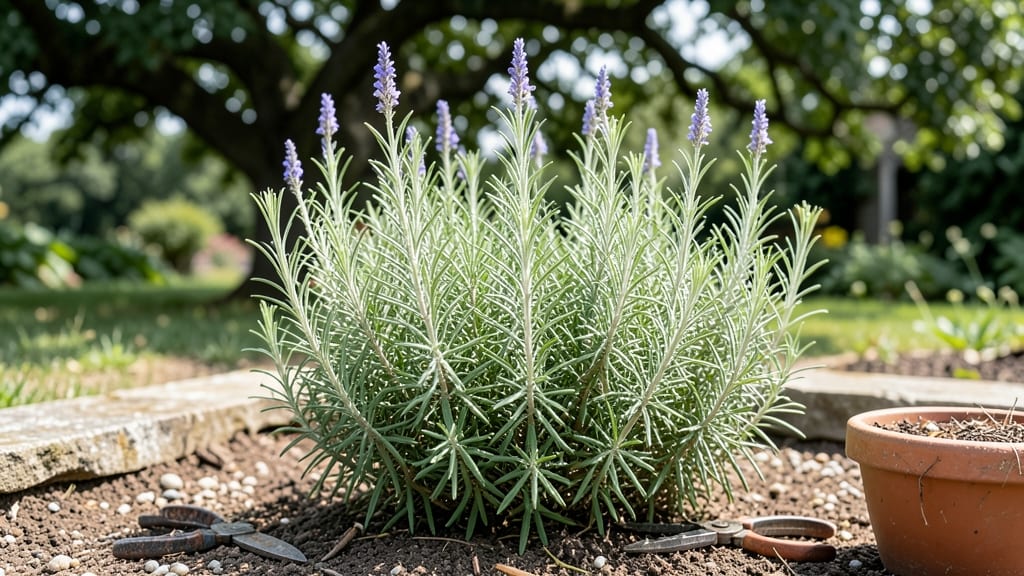
The best way to grow rosemary that stays fragrant and bushy starts with sunlight, soil, and smart watering—no fancy tricks needed. 🌿 I’ve turned my kitchen herb into a thriving plant by mimicking its Mediterranean roots: full sun, fast-draining soil, and occasional neglect. The key?
Treating it like the drought-resistant powerhouse it is. Most people overwater rosemary, turning its stems woody and leaves sparse. Instead, let the top inch of soil dry between waterings, and you’ll get bright green, pine-scented growth that lasts all season.
Whether you plant it in pots or the ground, the same rules apply—just adjust for your climate’s heat and humidity. You’ll know you’ve nailed it when your rosemary smells stronger than the grocery store’s and stays compact enough to harvest from.
Prune back leggy stems in spring to encourage bushier growth, and you’ll have a year-round supply of fresh herbs for cooking or garnishes. This method works for containers, garden beds, or even as a low-maintenance hedge.
Once established, rosemary practically takes care of itself—just don’t drown it, and it’ll reward you with abundant, aromatic stems for years.
📚 In This Guide
- What you need
- Instructions
- Tips and common mistakes
- Wrapping up and next steps
What you need
- ● Rosemary plant: Start with a healthy nursery-grown rosemary (Rosmarinus officinalis) or propagate from a cutting (3–6 inches long).
- ● Well-draining soil: 1–2 bags (5–10 lbs each) of cactus/succulent mix or amend garden soil with 50% perlite or coarse sand to prevent root rot.
- ○ Container (optional for potted growth): Minimum 12-inch diameter pot with drainage holes (for 1 plant).
- ● Larger pots (18+ inches) for multiple plants or bushier growth.
- ● Drainage solution: Small pebbles, gravel, or broken pottery shards (1–2 inches layer at the pot’s bottom).
- ○ Fertilizer (optional but helpful): Slow-release granular fertilizer (10-10-10 ratio, 1–2 tbsp per plant).
- ● OR liquid fish emulsion or seaweed extract (diluted to half-strength).
- ● Watering can or hose with a gentle nozzle: Avoid overwatering—rosemary hates soggy roots!
- ● Pruning shears or sharp scissors: For trimming and harvesting (sterilize with rubbing alcohol between cuts).
- ● Sunlight: At least 6–8 hours of full sun daily (partial shade in scorching climates).
- ● Climate: Thrives in USDA Zones 7–10; can be grown in colder zones with winter protection (mulch or move pots indoors).
- ● Patience: Rosemary grows slowly—give it time to establish roots (4–6 weeks for cuttings).
- ● Test your soil’s pH (6.0–7.0 is ideal); amend with lime if too acidic.
- ○ For cuttings: Dip ends in rooting hormone (optional but boosts success).
- ● Label your plants—rosemary varieties like ‘Tuscan Blue’ or ‘Arp’ have unique growth habits!
Step-by-step guide to growing rosemary from start to harvest
Rosemary thrives with minimal fuss—here’s how to cultivate it with maximum fragrance and resilience.
🌱 Step 1: Choose and Prepare Your Growing Space
Rosemary loves full sun—at least 6-8 hours daily—and well-draining soil. If planting in ground, pick a spot with sandy, rocky, or gravelly soil that mimics its Mediterranean roots. For containers, use 6-8 inch pots with drainage holes; larger pots last longer but require pruning to prevent legginess.
Amend heavy soil with coarse sand or perlite to improve drainage. I like to mix in a handful of garden lime to keep the pH between 6.0-7.5, which rosemary prefers. Avoid waterlogged areas—rosemary’s roots rot easily when soggy. Test drainage by filling a pot with water; if it drains in under 30 minutes, it’s ready for planting.
🪴 Step 2: Plant or Transplant with Care
For bare-root plants, soak the roots in lukewarm water for 10 minutes before planting to revive them. Dig a hole twice as wide as the root ball but no deeper—rosemary dislikes being buried too deeply. Gently spread the roots outward to encourage a wider base, then backfill with soil, pressing lightly to eliminate air pockets.
If using a starter plant, remove it from its container and tease the roots if they’re circling. Space plants 3-4 feet apart in ground beds or 1 plant per 6-inch pot for containers. Water deeply right after planting to settle the soil, but avoid overwatering—rosemary’s drought tolerance starts at the root.
☀️ Step 3: Water and Fertilize for Drought Resistance
Water rosemary deeply once a week during the first growing season, letting the soil dry completely between waterings. Once established, it thrives on neglect—water only when the top 2 inches of soil feel bone-dry. Overwatering is the fastest way to kill rosemary; yellowing leaves or wilting stems usually mean too much moisture.
Fertilize lightly in spring with a balanced, slow-release fertilizer (10-10-10) or a low-nitrogen organic option like fish emulsion. Too much nitrogen produces leafy growth at the expense of fragrant stems. I skip fertilizing after mid-summer—rosemary goes semi-dormant in heat, and feeding encourages weak, leggy growth.
✂️ Step 4: Prune for Bushiness and Fragrance
Prune rosemary twice a year: once in early spring to shape the plant and again in late summer to encourage new growth. Use clean, sharp shears to trim back one-third of the plant’s height, cutting just above a leaf node. This encourages branching and denser foliage.
Harvest stems anytime the plant is actively growing by snipping just above a set of leaves. Never cut more than one-third of the plant at once—rosemary recovers slowly from heavy pruning. The best time to harvest is morning, when oils are most concentrated. Store cuttings in the fridge for up to 2 weeks or dry them in bundles upside-down.
⏰ Step 5: Overwinter for Long-Term Success
In USDA Zones 7 and below, rosemary may die back in winter. Protect it by mulching heavily with straw or pine needles to insulate roots. In containers, move pots to a protected spot (like a garage or shed) where temperatures stay above 20°F. Water sparingly—only enough to keep soil from freezing.
In warmer zones, rosemary often regrows from the base in spring. If your plant looks woody or leggy after winter, prune back by half to stimulate fresh growth. Avoid fertilizing until new shoots appear—rosemary’s energy goes into survival, not foliage, during dormancy.
Tips & tricks for perfect rosemary cultivation
Here's how to take your rosemary from struggling to spectacular—these insights come from years of trial and error (and a few sad, overwatered casualties).
Sunlight Strategy: That 6-8 hours of daily sun is non-negotiable, but here's the pro move: position your rosemary to catch morning sunlight first—it's less intense and helps prevent leaf scorch. If you're in a container, rotate the pot every few weeks so all sides get even exposure. South-facing windowsills or balcony spots work best, but avoid harsh afternoon sun in hot climates.
Soil Science: The 30-minute drainage test is your best friend—if water pools after that time, you need more sand or perlite. I've found that mixing in 10% coarse sand by volume transforms heavy garden soil into rosemary perfection. For containers, consider using a 60-40 mix of cactus/succulent soil and perlite to replicate its Mediterranean habitat. The key is mimicking that rocky, well-draining environment where rosemary evolved.
Root Revival Technique: That 10-minute lukewarm water soak for bare-root plants isn't just about hydration—it's a stress reliever. The warm water gently opens the root cells, helping them absorb moisture immediately after planting. Pro tip: Add a pinch of seaweed fertilizer to the water for an extra boost of growth hormones. This simple step can mean the difference between a thriving plant and one that struggles for months to establish.
Pruning Payoff: When you trim back one-third of the plant's height during those twice-yearly prunings, you're not just shaping—you're stimulating new growth at the leaf nodes. The magic happens when you cut just above a set of leaves; this is where dormant buds live, ready to burst into new stems. I've seen woody, leggy rosemary plants transform into bushy, fragrant bushes after just one proper pruning session.
Pro Tips for Best Way To Grow Rosemary
- Here's how to take your rosemary from struggling to spectacular—these insights come from years of trial and error (and a few sad, overwatered casualties).
- Sunlight Strategy: That 6-8 hours of daily sun is non-negotiable, but here's the pro move: position your rosemary to catch morning sunlight first—it's less intense and helps prevent leaf scorch.
- Soil Science: The 30-minute drainage test is your best friend—if water pools after that time, you need more sand or perlite.
Frequently asked questions
Got questions about growing rosemary? You’re not alone—this hardy herb can be tricky for beginners! Here are answers to the most common queries to help you cultivate lush, fragrant rosemary with confidence.
Can rosemary grow in pots, or does it need to be planted in the ground?
Rosemary thrives in both pots and ground! Use well-draining soil and containers at least 12 inches deep for potted plants. Just ensure pots have drainage holes to prevent root rot. Ground-planted rosemary spreads wider, making it ideal for borders or herb gardens.
How long does it take for rosemary to grow from seed or a cutting?
From seed, rosemary can take 6–12 months to mature, while cuttings root in 2–4 weeks with proper care. For faster results, buy a nursery plant—it’ll be harvest-ready in 3–4 months under ideal conditions.
How often should I water rosemary, and what happens if I overwater it?
Rosemary is drought-tolerant! Water only when the top inch of soil is dry (about once a week in hot climates). Overwatering causes root rot, turning leaves yellow or mushy. Ensure pots drain well, and avoid soggy soil.
Does rosemary need full sun, or can it grow in partial shade?
Rosemary loves full sun (6+ hours daily) for best growth and flavor. In partial shade, it may become leggy or less fragrant. If you’re in a shady spot, choose a dwarf variety like ‘Blue Spires’ for better adaptability.
Why is my rosemary turning brown or crispy?
Brown, crispy leaves usually mean underwatering or sunburn. Check soil moisture and mulch to retain moisture. If leaves are yellowing, it could signal overwatering. Trim damaged stems to encourage new growth.
Wrapping up and next steps
Growing rosemary is a rewarding journey—whether you’re nurturing it in pots or letting it thrive in the ground! 🌱 With the right sunlight, soil, and care, you’ll soon enjoy its fragrant, drought-resistant beauty and culinary versatility.
Start small, stay consistent, and don’t forget to prune and harvest wisely to keep your rosemary lush and productive.
Now that you’re armed with the best tips, why not plant your first sprig today? Grab your gardening tools, pick a sunny spot, and watch your rosemary flourish—your kitchen (and senses!) will thank you. Happy growing! 🌿