
Pests
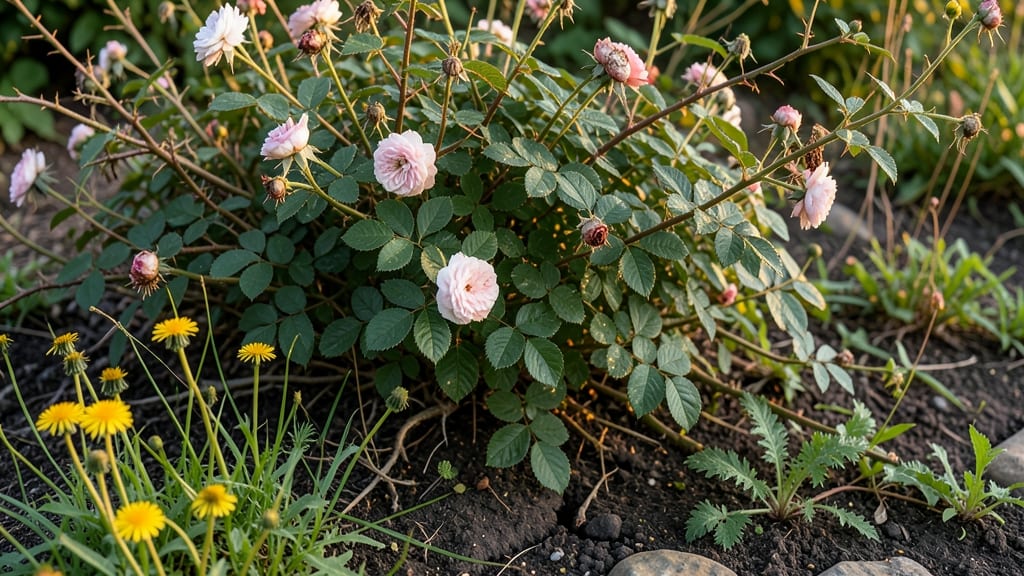
Are roses weeds? Botanically, no—they’re prized perennials with ornamental and economic value—but they can act like weeds when left unchecked, spreading rapidly through suckers or runners in certain varieties. Many gardeners wrestle with whether their persistence earns them the weed label.
Botanists define weeds as unwanted plants that thrive where they're not wanted, and roses don't fit that mold by default. 🌹 However, some rose varieties—like the popular 'Knock Out' series—produce aggressive suckers that can take over garden beds if not controlled.
The key difference lies in intent: roses are cultivated for beauty and fragrance, while true weeds like dandelions or crabgrass have no such purpose. That said, when roses spread uncontrollably, they create the same management headaches as weeds, which is why many gardeners treat them accordingly.
To prevent roses from behaving like weeds, focus on proactive maintenance. Regular pruning of suckers (those low-growing shoots) and installing root barriers can contain their spread. I've found that applying a 2-3 inch deep layer of mulch around the base helps suppress unwanted growth while keeping the plant healthy.
The secret is balancing their natural vigor with smart garden design—giving them space to grow where you want them while keeping them contained elsewhere.
💡 In This Article
- Botanical vs. Gardener’s Definition of Weeds
- Controlling Rose Spread: When They Act Like Weeds
Botanical vs. gardener’s definition of weeds
Botanically, weeds are defined as plants growing where they're unwanted—typically non-crop species that thrive in disturbed soils.
Roses, however, are cultivated perennials with documented horticultural value, making them fundamentally different. 🌹 The key distinction lies in their purpose: weeds lack intentional cultivation, while roses are bred for beauty, fragrance, and even economic uses like essential oils.
Even "wild" roses (like Rosa rugosa) are valued for erosion control and wildlife support.
Where roses blur the line is in their propagation methods. Many varieties spread aggressively through underground suckers (root shoots) or seed-producing hips, which can create dense thickets. For example, 'Knock Out' roses produce 50-100 suckers per plant annually if unchecked—similar to how dandelions spread via wind-dispersed seeds.
The difference? Roses are still desirable plants when contained, whereas weeds like crabgrass have no redeeming qualities in garden contexts.
True weeds (e.g., bindweed or creeping charlie) have evolved to outcompete native plants through rapid growth and chemical inhibition of neighbors.
Roses lack these aggressive traits but can mimic weed behavior when gardeners fail to manage their spread. 🌱 The confusion arises because both weeds and roses exploit disturbed garden soils—just with different intentions. While weeds are opportunistic survivors, roses are cultivated survivors that just happen to spread enthusiastically.
Consider the invasive species spectrum: True weeds occupy one end (unwanted, no value), while roses occupy the opposite end (valued, managed). The gray area exists with varieties like 'Flower Carpet' roses that spread via runners but remain ornamental.
This dual nature explains why gardeners often treat roses like weeds—they exhibit the same growth patterns but with aesthetic rewards.
Botanists also classify plants by their growth habits. Roses are perennial woody plants (shrubs), while most weeds are annuals or biennials with fast life cycles. This structural difference means roses persist year after year, requiring long-term management strategies that don't apply to short-lived weeds.
The persistence factor alone makes roses more weed-like in gardeners' eyes, even though they're botanically distinct.
Here's the practical takeaway: Roses become "weed-like" when their natural propagation mechanisms conflict with garden design. The solution isn't to reclassify them botanically, but to understand their growth habits and implement targeted control measures—like pruning or root barriers—that preserve their ornamental value while preventing overgrowth. 🌿