
Advice
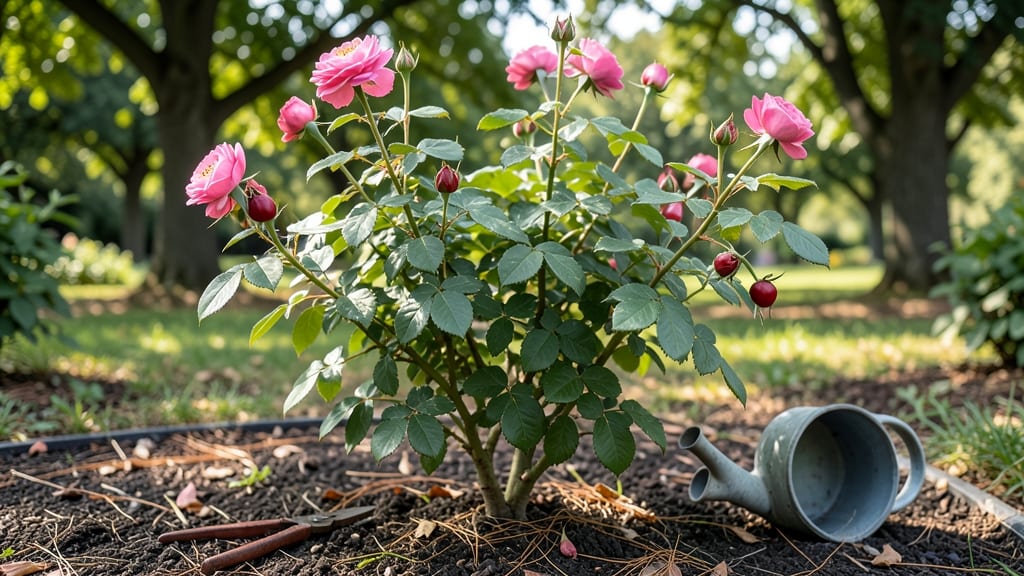
Roses aren't just a pretty garden decoration—they can pose serious health risks to curious pups. 💛 The sharp thorns alone can cause painful mouth injuries, while the toxic compounds irritate the digestive tract and may lead to more severe reactions in larger quantities.
I always recommend keeping roses out of reach, especially if your dog has a habit of nibbling on plants.
If you're designing a dog-friendly garden, opt for safer alternatives like sunflowers or marigolds, which are non-toxic and add vibrant color without the risks. Always monitor your pet around new plants, and contact your vet immediately if you suspect ingestion—early intervention makes all the difference.
💡 In This Article
- Toxic Compounds in Roses and Their Effects on Dogs
- Pet-Safe Flower Alternatives for Dog-Friendly Gardens
Toxic compounds in roses and their effects on dogs
The toxicity in roses stems from two primary chemical compounds: phenols and tannins, both naturally occurring in the plant's leaves and stems. Phenols act as a natural defense mechanism, creating irritation when ingested.
These compounds disrupt the digestive system by increasing stomach acid production, leading to symptoms like excessive drooling, nausea, and vomiting within 6-12 hours of consumption. The severity depends on the amount ingested—even a single leaf can trigger mild reactions in small dogs.
Tannins, found in higher concentrations in rose stems, work by binding to proteins in your dog's mouth and digestive tract. This binding creates a rough, almost sandpaper-like texture that can cause oral irritation, leading to pawing at the mouth or excessive drooling.
The physical hazards don't stop there—rose thorns, which can be up to 1-2 inches long, pose additional risks by puncturing delicate tissues. A curious dog might suffer mouth lacerations or even choking hazards if they swallow thorn fragments. 🌹
Symptoms escalate with larger ingestions or repeated exposure. Medium-sized dogs (20-50 lbs) may experience diarrhea or lethargy within 24 hours, while smaller breeds can show signs of weakness or depression.
In rare cases, severe reactions might include difficulty breathing or kidney irritation, particularly if the dog consumes multiple stems or leaves over time. The ASPCA reports that rose toxicity ranks among the top 10 plant-related pet emergencies they treat annually.
What makes this particularly dangerous is how dogs interact with roses. Their natural curiosity often leads them to sniff, lick, or nibble plants—behaviors that can easily result in accidental ingestion.
The scent of roses, while pleasant to humans, contains volatile oils that can attract dogs, making them more likely to investigate. Even dried rose petals (common in potpourri) retain toxic compounds, posing risks long after fresh blooms wilt.
Size matters when assessing risk levels. A 10-pound Chihuahua might show severe symptoms from ingesting just two rose leaves, while a 70-pound Labrador could handle the same amount with only mild effects.
This variance explains why veterinarians always ask about both the amount ingested and the dog's weight when evaluating potential poisoning cases. The smaller the dog, the more dangerous even small exposures become.
If you suspect your dog has ingested rose parts, immediate action is critical. Rinse their mouth gently with water to remove any plant material, then contact your vet or the ASPCA Animal Poison Control Center (888-426-4435).
Early intervention can prevent symptoms from worsening, and in many cases, supportive care (like IV fluids) is all that's needed. Never induce vomiting without professional guidance—some rose compounds can cause additional damage during regurgitation.
The good news is that roses aren't among the most toxic plants for dogs. Unlike lilies (which can cause kidney failure) or sago palms (which are deadly in small amounts), rose toxicity is generally manageable with proper care.
However, the physical dangers from thorns and the digestive upset from phenols make roses a plant best enjoyed from a safe distance—preferably in a vase where your pup can't reach. 🐾