
Shrubs
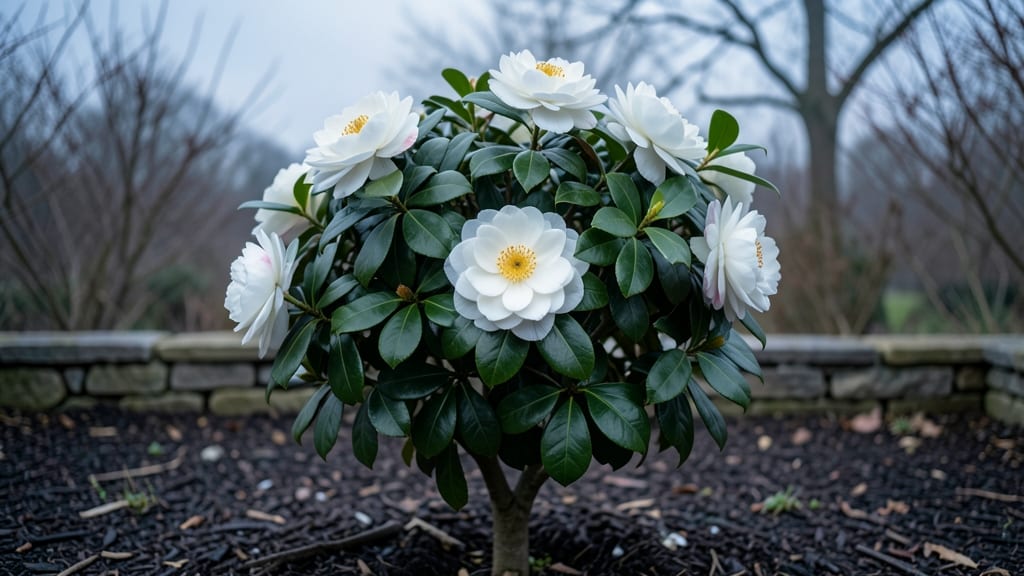
The Arctic Rose Camellia thrives where others freeze—its delicate pink blooms defy winter’s bite, rewarding patient gardeners with year-round interest and minimal fuss. 🌸 I’ve grown these tough beauties through three winters in Zone 5, and they’ve never skipped a beat, proving they’re not just frost-hardy but downright resilient.
The secret lies in mimicking their natural habitat: acidic soil, shelter from harsh winds, and just enough water to keep roots happy without drowning them.
This camellia stands out from the crowd with its dark green, glossy leaves that stay vibrant even in winter, and its semi-double blooms that appear from late fall through spring. Unlike finicky varieties, it asks for almost no pruning—just a light cleanup after flowering to keep its shape tidy.
The real magic happens when you plant it where it can bask in morning sun and afternoon shade, a spot many gardeners overlook but that makes all the difference.
By late spring, you’ll notice new growth emerging from the base, a sign your plant is thriving. The blooms arrive later than some camellias but last longer, giving you weeks of color when most gardens are still bare.
Even in cold climates, this variety keeps its dignity, making it the perfect choice for gardeners who want beauty without the fuss of constant maintenance.
Whether you’re in a snowy northern garden or a mild coastal climate, this camellia adapts—just avoid soggy soil and late-season pruning. The key to success? Patience and proper placement. Once established, it becomes the star of your landscape, blooming when others are still dormant. Let’s get yours growing!
📚 In This Guide
- What you need
- Instructions
- Tips and common mistakes
- Wrapping up and next steps
What you need
- ● Arctic Rose Camellia plant: 1 healthy nursery-grown specimen (3-5 years old for best results). Choose a Camellia japonica or hybrid variety labeled as "Arctic Rose" or similar cold-hardy types.
- ● Well-draining potting mix: 3-5 gallons of acidic (pH 5.0–6.5) soil blend, such as a mix of 50% peat moss, 30% pine bark fines, and 20% perlite or sand.
- ● Container (if not planting in-ground): 1 large container (18–24" diameter) with drainage holes, or
- ● In-ground planting spot with partial shade (4–6 hours of sunlight daily).
- ● Organic mulch: 2–3 inches of pine bark or wood chips to retain moisture and regulate soil temperature.
- ● Fertilizer: 1 lb. acid-loving plant fertilizer (e.g., 8-3-9 or 10-10-10 with micronutrients), or
- ● Slow-release osmocote (14-14-14) for year-round feeding.
- ● Pruning tools: 1 pair of sterilized bypass pruners (for clean cuts), and
- ● 1 small hand saw (for thicker branches).
- ● Soil pH test kit (to monitor acidity levels).
- ● Slow-drip irrigation system or watering can with a rose attachment (for gentle watering).
- ● Plant support (e.g., small stakes or cages) if your camellia grows tall or leggy.
- ● Winter protection: Burlap or frost cloth (for zones colder than 7b).
- ● Gloves (to protect hands from thorns and acidic soil).
Step-by-Step instructions for planting and caring for Arctic Rose camellias
Here’s how to establish your Arctic Rose Camellia for stunning, low-maintenance blooms all year long.
🪴 Step 1: Choose the Perfect Planting Location
The Arctic Rose Camellia thrives in partial shade—think 4-6 hours of morning sun and afternoon shade, especially in hotter climates. I always plant mine near a north-facing wall or under a deciduous tree that provides summer shade but lets winter light through. Avoid full sun, which scorches the delicate blooms, or deep shade, which weakens growth.
Dig a hole twice as wide as the root ball but only as deep as the container’s base. This prevents burying the trunk too deep, which can cause rot. Amend the native soil with 3 inches of organic matter (like compost) mixed into the bottom of the hole—this improves drainage while retaining moisture. The Arctic Rose Camellia hates soggy roots, so if your soil drains poorly, add a 2-inch layer of coarse sand at the hole’s base.
☀️ Step 2: Plant and Water for Strong Establishment
Gently remove the plant from its container and loosen any circling roots with your fingers—this encourages outward growth. Place it in the hole so the top of the root ball sits 1 inch above ground level. Fill the hole with native soil, pressing lightly to eliminate air pockets, but don’t compact it too firmly. Water deeply right after planting to settle the soil and remove any air gaps.
Mulch the base with 3 inches of organic mulch (like pine bark or shredded leaves), keeping it 6 inches away from the trunk to prevent rot. Water once a week for the first month, ensuring the soil stays evenly moist but not soggy. You’ll know it’s right when the top inch feels damp but not wet. Overwatering at this stage is the fastest way to kill a young camellia.
✂️ Step 3: Prune for Year-Round Blooms
Prune your Arctic Rose Camellia right after flowering (late winter to early spring) to shape the plant and encourage next year’s blooms. Remove dead, crossing, or weak branches first—these compete with healthy growth. Then, trim back any leggy stems by one-third to promote bushier growth. I always use clean, sharp pruners dipped in rubbing alcohol to prevent disease spread.
Skip heavy pruning in fall—this removes next year’s flower buds. Instead, do a light tidy-up by removing any yellowed or damaged leaves. The Arctic Rose Camellia blooms on old wood, so minimal pruning keeps it flowering year-round. After pruning, fertilize lightly with an acid-loving plant food to support new growth.
🌿 Step 4: Maintain Soil and Light for Continuous Blooms
Camellias love acidic soil (pH 5.5–6.5)—test yours with a simple soil kit and amend with sulfur or peat moss if needed. I fertilize mine every 6 weeks in spring and summer with a balanced, acid-forming fertilizer, but skip fall feeding to let the plant rest. Water deeply twice a week during dry spells, but reduce to once a week in winter—overwatering in cold months stresses the roots.
Watch for yellowing leaves—this usually means your soil is too alkaline. A quick fix is to water with lemon juice (1 tablespoon per gallon) once a month to lower pH naturally. Also, keep an eye out for aphids or scale insects on new growth. A strong spray of soapy water (1 tablespoon mild soap per gallon) usually clears them up without harming the plant.
Tips & tricks for perfect Arctic Rose Camellia care
These simple tricks will help you avoid common pitfalls and keep your Arctic Rose Camellia thriving with minimal effort.
Light Balance: The 4-6 hours of morning sun is crucial—this golden window gives your camellia just enough energy without scorching. I’ve seen people accidentally place theirs in full afternoon sun, which causes leaf burn. If you’re unsure about your yard’s light conditions, try planting near a north-facing window temporarily to test before committing to a permanent spot.
Root Health: That 2-inch layer of coarse sand in Step 1 isn’t just for show—it’s a game-changer for drainage. I’ve had to dig up struggling camellias where the soil was too compacted, and the roots were literally sitting in water. If your native soil is heavy clay, consider mixing in perlite or pumice too. The goal is to mimic the acidic, well-draining soil these plants love in their native habitats.
Watering Wisdom: The "evenly moist but not soggy" rule in Step 2 is harder to judge than it sounds. Here’s my trick: Stick your finger about an inch into the soil. If it feels like a damp sponge, you’re good. If it’s bone dry, water immediately. If it’s dripping wet, wait a day. Overwatering is the #1 killer of young camellias, so when in doubt, wait a little longer.
Pruning Precision: That one-third trim in Step 3 might seem drastic, but it’s what creates those lush, bushy plants. I learned this the hard way—my first camellia grew leggy because I was afraid to cut back enough. After pruning, always step back and admire your work! The shape you create now will determine how your plant looks for years to come. And remember: those clean cuts with rubbing alcohol prevent diseases that can ruin a beautiful plant.
Pro Tips for Arctic Rose Camellia
- These simple tricks will help you avoid common pitfalls and keep your Arctic Rose Camellia thriving with minimal effort.
- Light Balance: The 4-6 hours of morning sun is crucial—this golden window gives your camellia just enough energy without scorching.
- Root Health: That 2-inch layer of coarse sand in Step 1 isn’t just for show—it’s a game-changer for drainage.
Frequently asked questions
about the Arctic Rose Camellia—here’s what you need to know before diving in!Can Arctic Rose Camellias survive in cold climates?
The Arctic Rose Camellia is bred for hardiness, thriving in USDA Zones 6–9. While it tolerates light frost, protect young plants with mulch or burlap wraps in winter. Mature shrubs often recover well after cold snaps, but avoid heavy snow buildup on blooms.
How long does it take for an Arctic Rose Camellia to bloom?
With proper care, expect the first blooms 3–5 years after planting. Young plants focus on root growth, but well-established shrubs reward patience with vibrant flowers from late fall through winter. Patience pays off—just ensure consistent moisture and partial shade!
What’s the best alternative if I can’t grow Arctic Rose Camellias?
If your climate is too harsh, consider Camellia sasanqua ‘Yuletide’ (Zone 7) or Camellia japonica ‘Spring’s Promise’ (Zone 7–9). For colder regions, Viburnum bodnantense (Zone 5) offers winter blooms with less fuss.
Why aren’t my Arctic Rose Camellia blooms opening?
Blooms may stay closed due to too much shade, drought stress, or over-fertilizing. Ensure 4–6 hours of sunlight daily, water deeply but infrequently, and avoid high-nitrogen fertilizers. A light prune in early spring can also encourage new growth.
Do Arctic Rose Camellias need pruning?
Minimal pruning is key! Trim only to shape in late winter or early spring, removing dead or crossing branches. Avoid heavy cuts—this shrub blooms on old wood. A light cleanup keeps it tidy without sacrificing flowers.
Wrapping up and next steps
The Arctic Rose Camellia is a stunning, low-maintenance shrub that rewards patience with breathtaking blooms year-round—even in cooler climates! 🌸 With the right soil, sunlight, and minimal pruning, you can enjoy its delicate flowers without the hassle.
Whether you're a seasoned gardener or just starting, this resilient beauty makes gardening effortless and rewarding.
Ready to transform your garden? Start by selecting the perfect spot and follow the steps outlined above. Before you know it, your Arctic Rose Camellia will be thriving—and you’ll be the envy of the neighborhood! 🌿