
Pests
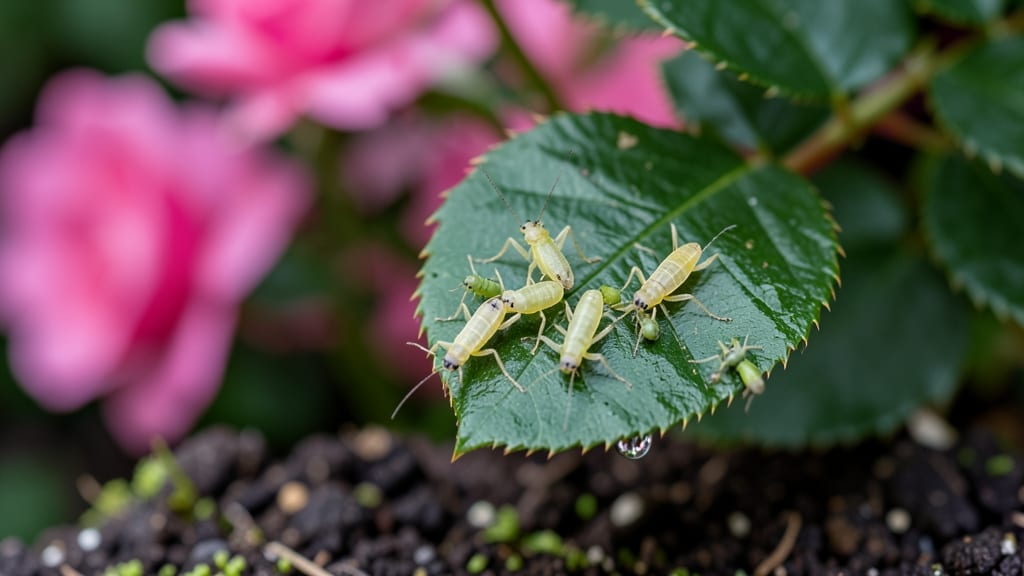
Knockout roses covered in aphids can look like a lost cause—until you try this fast organic spray that clears them in days. 🌿 I’ve battled these sap-sucking pests for years, and the secret isn’t harsh chemicals but a mix of neem oil, insecticidal soap, and a little patience.
The key is acting before the infestation spreads to your entire garden. You’ll spot aphids as tiny green or black clusters on new growth, curled leaves, or that telltale sticky residue called honeydew.
A single spray of neem oil (1 tablespoon per quart of water) disrupts their life cycle, while insecticidal soap suffocates them on contact. Ladybugs and lacewings are your free, living pest control—just attract them with dill or marigolds nearby.
Within 48 hours, you’ll see fewer aphids, and in a week, your roses will bounce back with fresh, uncurled leaves. The spray works fast because it targets their soft bodies while leaving your plants unharmed. No more wilting blooms or sticky messes ruining your patio.
This method works for all roses, not just Knockouts, and keeps your garden chemical-free. Here’s how to mix it right the first time—no guesswork, just results.
Common Triggers for Rose Pests
Aphids on your beloved Knockout roses aren’t just a random nuisance—they’re often drawn in by specific conditions that make these vibrant plants an all-you-can-eat buffet. Understanding the why behind their infestation is the first step to kicking them out for good.
Let’s break down the science-backed reasons these tiny sap-suckers invade your roses.
Aphids thrive when roses are weakened or overcrowded, making them easier targets. Here’s why:
- Poor Air Circulation 🌬️ Dense foliage traps humidity, creating a cozy microclimate that aphids love. Without airflow, roses struggle to dry quickly after watering, leaving sticky honeydew—a aphid magnet.
- Nutrient Deficiencies 🍃 Roses deprived of nitrogen, phosphorus, or potassium produce softer, more tender new growth—aphid candy. A simple soil test can reveal if your plants are starving for essential nutrients.
- Root Stress 🌱💦 Overwatering or underwatering disrupts root health, signaling the plant to produce high-sugar sap (aphids’ favorite snack). Knockout roses, while drought-tolerant, still need consistent moisture—not soggy soil.
Pro Tip: 💡 Prune roses to open up the canopy and improve airflow. Mulch with wood chips (not plastic) to retain moisture without suffocating roots.
Aphids are sap-sucking opportunists, and certain rose behaviors make them irresistible:
- New Growth Spikes 🌱⚡ When roses shoot out fresh, tender stems (especially after pruning), aphids swarm to feast on the high-sugar, low-tannin sap. This is why infestations often appear right after pruning season.
- Honeydew Feedback Loop 🍯🐜 Aphids excrete honeydew—a sticky, sugary waste that:
- Attracts ants (which protect aphids in exchange for honeydew).
- Promotes sooty mold, a black fungal growth that weakens leaves.
- Creates a slippery surface where more aphids can hitchhike on debris.
Action Step: 🔥 If you see ants on your roses, they’re farming aphids. Disrupt their teamwork with diatomaceous earth (food-grade) around the base of the plant.
Aphids are cold-sensitive but heat-loving, and climate plays a huge role:
- Early Spring Warmth ☀️🌱 When temperatures rise above 50°F (10°C) after winter, dormant aphid eggs hatch en masse. Knockout roses, already flushing with new growth, become prime targets.
- Extended Growing Seasons 🌡️📅 Regions with mild winters (like Zones 6-9) allow aphids to survive year-round, building larger populations faster. No winter die-off = more aphids next spring.
- Sudden Heat Waves 🔥🌡️ Heat stress causes roses to produce more sap to cool down—another aphid buffet. This is why infestations spike in late summer.
Climate Hack: 🌡️ If your area has hot summers, water roses deeply in the morning to reduce heat stress and discourage sap production.
Aphids usually keep their numbers in check thanks to birds, ladybugs, lacewings, and parasitic wasps. But if these predators are missing, aphids take over:
- Pesticide Overuse 🚫💊 Chemical sprays (even broad-spectrum ones) kill beneficial insects first, leaving aphids unchecked. Neem oil and insecticidal soap are safer alternatives that preserve predator populations.
- Monoculture Plantings 🌿🏡 Planting only Knockout roses (or other aphid-loved plants like hibiscus) removes diversity, which predators rely on for food. A pollinator-friendly garden with marigolds, basil, and fennel attracts more aphid hunters.
- Urban or Suburban Isolation 🏙️🌳 In dense housing areas, fewer wild predators exist. Even small steps—like adding native flowering plants—can bring back balance.
Eco-Friendly Fix: ✨ Plant dill, yarrow, or cosmos near your roses to lure in ladybugs and other aphid-eating allies.
Aphids hitchhike on debris, tools, and even your clothes. Sloppy garden habits invite them in:
- Leaving Infested Clippings ❌🌿 Pruned rose stems with aphids can reinfect other plants if composted or left in the garden. Bag and dispose of heavily infested trimmings.
- Reusing Contaminated Tools 🔪🌱 Shears or pruners used on infected plants can spread aphids to healthy roses. Sanitize tools with rubbing alcohol between uses.
- Ignoring Weeds 🌱🦟 Weeds like cleavers (stickseed) and nettles harbor aphids that migrate to roses. A weekly weed patrol reduces aphid reservoirs.
Quick Cleanup: 🧹 Sweep up fallen leaves and debris from under roses—aphids hide there to overwinter or reinfest in spring.
Quick Fixes for Aphid-Infested Roses
Aphids may be tiny, but they can wreak havoc on your knockout roses in no time. The good news? There are effective, organic solutions to tackle these pests—without harsh chemicals.
Below, we’ll break down the best fixes based on the root cause of your aphid problem, from immediate action to long-term prevention.
Aphids cluster on tender new growth, so cutting them out is the fastest way to reduce their numbers.
- 🍳 Step 1: Inspect your roses for curled leaves, sticky residue (honeydew), or visible aphids.
- 👨🍳 Step 2: Use clean pruning shears to snip off heavily infested leaves, stems, or buds.
- 🥘 Step 3: Drop the clippings into a sealed plastic bag and toss them in the trash (don’t compost them—they’ll spread aphids!).
- ⏰ Pro Tip: Do this in the early morning when aphids are sluggish and easier to spot.
Organic sprays disrupt aphids’ life cycle while keeping your roses—and pollinators—safe.
💡 Soap Spray (Best for Light Infestations)
A mild soap solution suffocates aphids on contact.
- 🔪 Ingredients:
- 1 tbsp mild liquid castile soap (like Dr. Bronner’s)
- 1 quart water
- 1 tsp vegetable oil (helps it stick)
- 🌡️ How to Use: 1.
Mix in a spray bottle and shake well. 2. Spray directly on aphids (undersides of leaves too!) until leaves glisten. 3. Reapply every 3–5 days until aphids disappear. - ✨ Pro Tip: Test on a small leaf first—some roses are sensitive to soap.
🎯 Neem Oil (Knocks Out Eggs & Adults)
Neem oil disrupts aphid feeding and reproduction, making it great for stubborn infestations.
- 📊 Ingredients:
- 1 tbsp neem oil
- 1 tsp horticultural oil (optional, for better adhesion)
- 1 tsp mild soap (as an emulsifier)
- 1 quart water
- 💪 How to Use: 1.
Mix and strain through a coffee filter to remove impurities. 2. Spray evenly on all plant surfaces, focusing on new growth. 3. Apply every 7–10 days (aphids can develop resistance). - 🔥 Pro Tip: Apply in the evening to avoid harming bees.
🥗 Homemade Garlic Spray (Aphids Hate It!)
Garlic contains natural compounds that repel and kill aphids.
- 🍎 Ingredients:
- 2–3 garlic cloves, minced
- 1 tsp cayenne pepper (optional, for extra punch)
- 1 quart water
- 1 tsp soap (to help it stick)
- 👨🍳 How to Use: 1.
Blend garlic with water, strain, and let sit for 24 hours. 2. Add soap and spray directly on aphids. 3. Reapply every 4–5 days for persistent problems.
Instead of fighting aphids alone, invite their enemies to your garden!
- Ladybugs 🐞 – Release them in the morning (they’re less active in heat).
- Lacewings 🕷️ – Their larvae devour aphids; buy eggs or adults online.
- Parasitic Wasps 🐝 – Tiny but mighty; they lay eggs inside aphids.
- Birds 🐦 – Hang a bird feeder nearby to attract aphid-munching sparrows and chickadees.
💡 Pro Tip: Avoid pesticides—even organic ones—if you want to keep these helpers around!
Once you’ve banished aphids, keep them from returning with these smart strategies:
✅ 🌿 Healthy Roses = Strong Defense
- Water deeply at the base (not overhead) to avoid wetting leaves (aphids love humidity).
- Fertilize with compost or balanced organic fertilizer—stressed plants attract pests.
- Prune regularly to improve airflow and remove hiding spots.
✅ 🛡️ Barrier Methods
- Reflective mulch (aluminum foil or silver plastic) confuses aphids.
- Sticky traps near plants catch winged aphids before they land.
✅ 🌡️ Seasonal Checks
- Spring & Fall: Inspect new growth weekly—aphids strike fast!
- Early Warning Signs: Sticky leaves (honeydew) or ants (they farm aphids for honeydew).
Final Thought: Aphids may be persistent, but with quick action and prevention, your knockout roses will stay lush and pest-free! 🌹✨
Frequently asked questions about aphids on roses
Why do aphids prefer my Knockout roses over other plants?
Knockout roses produce tender, high-sugar sap—especially on new growth—which aphids find irresistible. Their disease-resistant breeding also means fewer natural defenses against pests. Plus, dense foliage creates perfect humid hiding spots for these tiny invaders.
How quickly will my roses recover after treating aphids?
With immediate action (like neem oil or pruning), you’ll see visible improvement in 3-5 days. However, full recovery takes 2-3 weeks as leaves uncurl and new growth emerges. Consistent treatment prevents reinfestation during this period.
Can I use store-bought insecticidal soap on roses?
Yes, but choose a mild, plant-safe formula (like Safer® Brand). Always test on a small leaf first—some roses may show temporary leaf burn. Apply in the evening to avoid harming bees, and reapply every 3-5 days for best results.
What should I do if ants appear with the aphids?
Ants "farm" aphids for their honeydew—disrupt this relationship by applying diatomaceous earth around the base of your roses or using a vinegar spray (1:1 ratio) on ant trails. This breaks their protective partnership and forces aphids to leave.
Will aphids kill my Knockout roses?
While severe infestations can weaken roses over time, they rarely kill mature plants. The real danger comes from honeydew attracting sooty mold or ants protecting aphids. Act quickly with organic sprays or pruning to prevent long-term damage.