
Shrubs
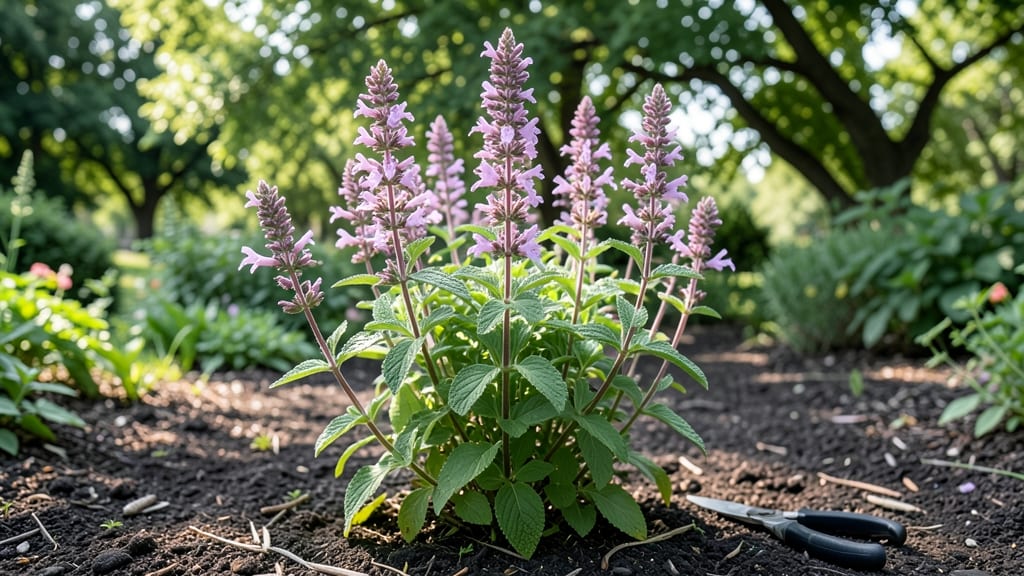
Growing agastache "Rose Mint" means your garden will smell like a minty cocktail garden all summer long. 🌿 This fragrant herb isn't just for sipping—its silvery foliage and purple spikes attract hummingbirds while repelling pests, making it a workhorse in any sunny border.
The key to success? Mimicking its natural habitat with well-draining soil and consistent moisture, but never soggy roots.
Start with a spot that gets 6+ hours of sun daily—this plant thrives where others might wilt. Amend heavy clay with compost to improve drainage, and plant in spring after the last frost when soil warms to 50°F.
Spacing matters too: give each plant 18-24 inches of room to prevent overcrowding, which leads to floppy stems and fewer blooms.
Once established, water deeply once a week (more in extreme heat), and you'll see those signature purple flower spikes emerge by midsummer. Snip spent blooms to encourage more flowers, and in fall, cut back stems by half to keep the plant tidy.
The fragrance alone makes pruning worth it—just crush a leaf to experience that signature minty aroma.
This plant handles drought surprisingly well once rooted, but watch for powdery mildew in humid summers. Space plants properly and ensure good airflow to prevent fungal issues. With minimal care, you'll have a pollinator magnet that doubles as a fragrant border—perfect for gardeners who want beauty and function without fuss.
📚 In This Guide
- What you need
- Instructions
- Tips and common mistakes
- Wrapping up and next steps
What you need
- ● Agastache (Hyssop) Seeds or Plants: 1–3 Agastache 'Rose Queen' or 'Rosita' plants (perennial, hardy in zones 4–9)
- ● OR 5–10 seeds (if starting from scratch; germination takes 10–30 days)
- ● Potting Mix: 1–2 bags of well-draining potting soil (look for "herb & vegetable" blends or add perlite/sand for aeration)
- ● Containers or Garden Bed: Containers: 6–12" pots with drainage holes (1–2 plants per container)
- ● Garden Bed: Full sun (6+ hours/day) + loose, fertile soil (amend with compost if needed)
- ● Watering Can or Hose: With a gentle spray nozzle for even moisture
- ○ Fertilizer (Optional but Helpful): Balanced liquid fertilizer (10-10-10) or organic options like fish emulsion
- ● 1 tbsp per plant every 4–6 weeks during growing season
- ● Hand trowel or small shovel (for transplanting)
- ● Pruning shears (for harvesting and shaping)
- ○ Gloves (optional—agastache is non-toxic but can be prickly)
- ● Mulch (straw or shredded leaves to retain moisture)
- ○ pH Test Kit (optional; ideal soil pH: 6.0–7.0)
- ● 🌡️ Timing: Start seeds indoors 8–10 weeks before last frost or plant outdoors after soil warms (60°F+).
- ● ✨ Companion Plants: Pair with rosemary, thyme, or lavender for a fragrant pollinator garden!
- ● 📊 Harvest Ready: Snip stems when flowers are 50% open for peak flavor (use fresh or dry for blends).
Step-by-step guide to growing agastache and rose mint together
Here's how to create a fragrant, pollinator-friendly herb duo that thrives in the same space.
🌱 Step 1: Select and Prepare Planting Sites
Agastache and rose mint both prefer full sun to partial shade—at least 6 hours of direct sunlight daily. Choose a location with well-draining soil, as neither plant tolerates soggy roots. I like to test drainage by digging a hole, filling it with water, and checking how quickly it drains. If it takes more than an hour, amend the soil with 1-2 inches of coarse sand or perlite.
Agastache thrives in slightly drier conditions, while rose mint enjoys consistent moisture. To balance their needs, I plant them in separate containers or raised beds with individual soil zones. This prevents the mint from outcompeting the agastache for water. If planting directly in the ground, space them 18-24 inches apart to allow airflow and reduce disease risk.
🪴 Step 2: Plant Agastache and Rose Mint
Begin with 2-3 agastache plants and 3-4 rose mint cuttings or young plants to ensure a balanced display. For agastache, dig a hole twice as wide as the root ball but no deeper. Gently remove the plant from its container, loosen the roots if they’re circling, and place it in the hole. Fill around the roots with soil, pressing lightly to eliminate air pockets. Water deeply to settle the soil.
For rose mint, plant cuttings in moist, well-draining soil. Insert cuttings 2-3 inches deep, leaving only the top set of leaves exposed. Water gently to avoid displacing the cuttings. Both plants benefit from a 1-inch layer of mulch around the base to retain moisture and suppress weeds. Avoid piling mulch directly against the stems to prevent rot.
☀️ Step 3: Maintain Watering and Light Conditions
Water agastache once a week or when the top 1-2 inches of soil feel dry. Overwatering causes root rot, so always check moisture levels before watering. Rose mint, on the other hand, prefers consistently moist soil. Water it 2-3 times a week, ensuring the soil never dries out completely. You’ll notice agastache’s leaves curling slightly in dry conditions—a sign it needs water, while rose mint’s leaves may yellow if underwatered.
Both plants love sunlight but can handle partial shade in hot climates. If growing in a container, rotate the pots a quarter turn weekly to encourage even growth. Agastache’s vibrant flowers will attract pollinators, while rose mint’s fragrant foliage will repel pests naturally. This dynamic duo creates a self-sustaining ecosystem that thrives with minimal intervention.
✂️ Step 4: Prune and Harvest for Maximum Flavor
Prune agastache in early spring to encourage bushier growth. Cut back one-third of the plant’s height just above a set of leaves. This promotes denser foliage and more abundant blooms. Deadhead spent flowers throughout the season to extend the blooming period. For rose mint, pinch back the tips regularly to encourage a fuller, more compact plant. Harvest leaves as needed, but avoid cutting more than one-third of the plant at a time to prevent stress.
Harvest agastache flowers when fully open for cocktails or dried arrangements. The best time to harvest rose mint is in the morning after the dew has dried but before the sun intensifies. Use sharp scissors to cut stems just above a leaf node. Store harvested leaves in the refrigerator for up to 1 week or dry them for long-term use. This careful harvesting ensures both plants remain healthy and productive.
⏰ Step 5: Overwintering and Seasonal Care
Agastache is hardy in USDA zones 5-10 and typically dies back in winter but regrows in spring. Mulch heavily around the base with 3-4 inches of straw or leaves to protect the roots from freezing temperatures. Rose mint, while perennial in warmer climates, may need winter protection in colder zones. Cut back the foliage in late fall and cover the plant with a thick layer of mulch or burlap to insulate the roots.
In early spring, remove the mulch and check for signs of new growth. Water sparingly until the soil warms up, as cold, wet soil can encourage fungal diseases. Both plants will reward you with fresh, fragrant foliage and vibrant blooms once the weather warms. With proper care, your agastache and rose mint duo will thrive for years, providing beauty, fragrance, and culinary delights.
Tips & tricks for growing a thriving agastache and rose mint pairing
Between us, these two aromatic plants play beautifully together when you understand their subtle differences. Here's how to optimize their growth for maximum fragrance and productivity.
Soil Zone Strategy: The key to balancing their water needs lies in creating distinct soil zones. For agastache, mix in 1 part perlite to 3 parts potting soil to ensure excellent drainage—they'll reward you with those signature purple blooms. For rose mint, use a slightly heavier mix with 1 part compost to 2 parts soil to retain moisture. This separation prevents the aggressive mint from stealing all the water from your agastache, which needs to stay on the drier side.
Planting Depth Precision: When planting rose mint cuttings, aim for 2-3 inches deep with just the top set of leaves exposed. This depth encourages strong root development while preventing rot. For agastache, avoid planting deeper than the root ball—anything more than 1 inch below the soil line can cause crown rot. The trick is gentle pressure when backfilling soil to eliminate air pockets without compacting too much.
Seasonal Watering Adjustments: In summer, agastache's once-weekly watering schedule might need adjustment to every 5-7 days depending on heat waves. Check soil moisture by pushing your finger 1-2 inches deep—if it feels dry, water deeply. Rose mint will show you when it needs more: yellowing leaves or wilting stems signal underwatering, while drooping leaves indicate overwatering. Both plants appreciate a morning watering to allow foliage to dry before evening.
Harvesting Timing: For maximum flavor, harvest agastache flowers in the morning when their essential oils are most concentrated. The best time for rose mint is just after sunrise when dew has evaporated but before the sun intensifies its oils. Use clean, sharp scissors to avoid damaging stems—cut just above a leaf node to encourage bushier growth. Store harvested leaves in airtight containers lined with paper towels to absorb excess moisture, extending their freshness to 10-14 days in the refrigerator.
Pro Tips for Agastache Rose Mint
- Between us, these two aromatic plants play beautifully together when you understand their subtle differences.
- Soil Zone Strategy: The key to balancing their water needs lies in creating distinct soil zones.
- Planting Depth Precision: When planting rose mint cuttings, aim for 2-3 inches deep with just the top set of leaves exposed.
Frequently asked questions
Got questions about growing, using, or caring for Agastache 'Rose Mint'? You're not alone!
Here are some of the most common queries—plus quick, practical answers to help you make the most of this fragrant herb duo.
How fast does Agastache 'Rose Mint' grow, and when can I expect blooms?
Agastache 'Rose Mint' is a fast grower, often reaching 2–3 feet tall in a single season. With proper care (full sun and well-draining soil), you’ll see stunning lavender-pink blooms by mid-to-late summer. Pinch back early flowers to encourage bushier growth and prolong the flowering season!
Can I use Agastache 'Rose Mint' fresh in cocktails, or does it need drying?
The bright, minty-rose flavor shines fresh in cocktails like mojitos or gin fizzes. For tea blends, both fresh and dried leaves work—just use 1–2 tbsp of fresh (or 1 tbsp dried) per cup. Drying preserves the aroma longer, but fresh adds a vibrant kick.
Are there pests or diseases I should watch for with Agastache 'Rose Mint'?
This hardy plant is drought-tolerant and pest-resistant, but keep an eye out for aphids or spider mites in hot, dry conditions. Solution: Spray with water or use neem oil if needed. Overwatering can cause root rot, so ensure well-draining soil and water only when the top inch feels dry.
What’s a good substitute if I can’t find Agastache 'Rose Mint'?
If you’re craving that minty-rose flavor, try blending peppermint or spearmint with lavender or rose petals (use sparingly!). For the visual and structural appeal of agastache, Russian sage (Perovskia) or catmint (Nepeta) make great alternatives in gardens.
Is Agastache 'Rose Mint' perennial, or do I need to replant it every year?
Yes! This herb is perennial in USDA zones 5–9, meaning it’ll regrow each spring with minimal care. In colder zones, mulch the base in winter to protect roots. Divide clumps every 2–3 years to keep plants vigorous and flowering. No replanting needed—just enjoy!
Wrapping up and next steps
Agastache and rose mint aren’t just fragrant powerhouses—they’re versatile, easy-to-grow herbs that elevate cocktails, teas, and even culinary dishes with their bright, floral, and minty notes. Whether you’re a home gardener or a mixologist, this dynamic duo offers endless creative potential while requiring minimal effort to thrive. 🌿
Ready to harness their magic? Start by planting a few in your garden or windowsill, then experiment with small batches in drinks or infusions. Your taste buds—and guests—will thank you! Cheers to flavor adventures ahead! 🍹✨