
Shrubs
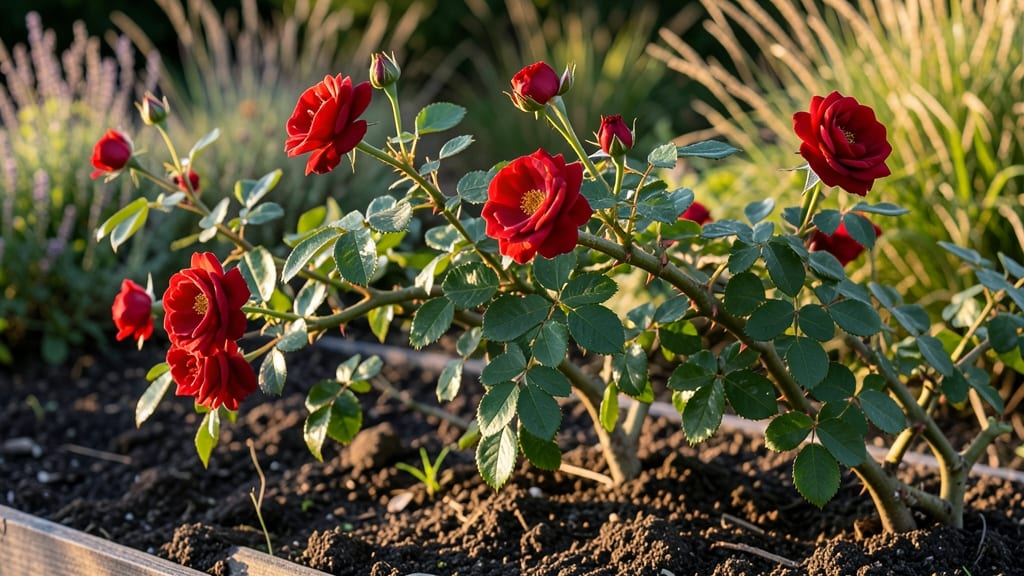
Your garden can burst with patriotic pride this summer when you plant a 4th of July climbing rose—those bold red blooms will steal the show from Memorial Day through Labor Day. 🌹 I’ve grown these showstoppers for years, and they’re the secret to turning any fence, trellis, or arch into a living red-white-and-blue masterpiece.
The key varieties like 'America' and 'Blaze' aren’t just pretty—they’re tough enough to handle summer heat and humidity while still delivering nonstop blooms. Planting time is your first move: late April to early May gives roots time to establish before the fireworks season begins.
Choose a sunny spot (at least 6 hours of direct sun) and a sturdy support—these roses climb 8-12 feet and need something strong to hold their weight. Prune in early spring to encourage bushy growth, then again after the 4th to keep the blooms coming all summer.
The secret? Cut back one-third of the oldest canes each year to keep the plant vigorous. By July, you’ll have vibrant red blooms that pop against any backdrop—whether it’s a white picket fence, a lattice arch, or even a large container.
The fragrance alone makes it worth it: imagine walking past a trellis heavy with roses that smell like summer. These aren’t just decorative—they’re low-maintenance once established, with fewer pests than hybrid teas and better disease resistance.
For extra impact, pair them with white clematis or silver foliage plants to enhance the patriotic theme. Container growers can still join the fun—just choose a large pot (15+ gallons) and a dwarf climbing variety. Here’s how to make them the star of your summer garden!
📚 In This Guide
- What you need
- Instructions
- Tips and common mistakes
- Wrapping up and next steps
What you need
- ● 4th of July Climbing Rose Plant: 1 healthy, disease-resistant bare-root or potted plant (check for vibrant red blooms and strong canes).
- ● Sunlight: A location with full sun (6+ hours daily)—this rose thrives in bright, open spaces!
- ● Well-Draining Soil: Mix 1 part compost with 2 parts garden soil (or use a high-quality rose-specific mix).
- ● Support Structure: A sturdy trellis, arbor, or fence (at least 6–8 feet tall for climbing variety).
- ● Organic Mulch: 2–3 inches of wood chips or straw to retain moisture and suppress weeds.
- ● Fertilizer: Balanced Rose Food (10-10-10 or 20-20-20): Apply at planting and every 4–6 weeks during growing season.
- ● Epsom Salt (Magnesium Sulfate): 1 tablespoon per gallon of water monthly for lush foliage.
- ● Watering Supplies: Garden hose with soaker hose attachment (for deep watering).
- ● Watering can (for potted seedlings or young plants).
- ● Pruning Tools: Bypass Pruners: For clean cuts on canes.
- ● Loppers: For thicker stems (if needed).
- ● Gloves: Heavy-duty gardening gloves to protect from thorns.
- ● Pest/Disease Control: Neem Oil: For fungal prevention (mix 1 tsp per quart of water).
- ● Insecticidal Soap: To combat aphids or spider mites.
- ● Rose Food Spikes: Slow-release granules for convenience.
- ● Plant Ties: Soft fabric ties to secure canes to the trellis.
- ● Decorative Accents: Patriotic-themed planters or garden flags for a festive touch!
- ● Shade Cloth: Lightweight cloth (30–50% shade) for hot afternoons in very intense sun zones.
Step-by-step guide to planting and caring for a 4th of July climbing rose
This bold, repeat-blooming rose thrives with the right approach—here's how to plant it for maximum patriotic impact.
🪴 Step 1: Choose the Perfect Planting Site
Select a location with full sun exposure (6-8 hours daily) and protection from harsh afternoon winds. The 4th of July rose loves warmth but appreciates afternoon shade in hotter climates. I always test the spot by observing how other plants grow there—if they thrive, it's likely ideal for your rose.
Check the soil drainage by digging a hole and filling it with water. If it drains within 2-3 hours, you're good. Poor drainage causes root rot, which can kill a climbing rose within weeks. Amend heavy clay soil with 3-4 inches of compost to improve aeration and nutrient retention.
🌱 Step 2: Plant at the Right Time and Depth
Plant your 4th of July climbing rose in early spring or fall when temperatures are mild (50-65°F). Avoid extreme heat or cold, which stresses the plant. Dig a hole twice as wide as the root ball but only as deep—planting too deep suffocates the graft union, weakening the rose.
Loosen the roots gently if they're circling and place the rose in the hole so the graft union (visible bump near the base) sits 2-3 inches above soil level. This prevents soil-borne diseases from reaching the graft. Backfill with native soil mixed with 1 cup of bone meal for phosphorus to encourage strong root growth.
☀️ Step 3: Provide Support and Prune for Bushy Growth
Install a 6-8 foot tall trellis or arbor immediately after planting to give the rose something to climb. I use a sturdy metal or wooden structure because roses can get heavy once blooming. Space ties 12-18 inches apart along the support to prevent bark damage as the canes thicken.
Prune the rose right after planting by cutting back all stems to 18-24 inches tall. Remove any dead or crossing branches—this encourages a bushier, stronger structure. Watch for new growth in 4-6 weeks; this is your signal that the rose is establishing roots.
💧 Step 4: Water Deeply and Fertilize for Vibrant Blooms
Water deeply 2-3 times per week during the first growing season, soaking the soil to a depth of 12-18 inches. The top inch should feel dry before watering again—this prevents shallow root systems. Mulch with 2-3 inches of organic mulch (like shredded bark) to retain moisture and regulate soil temperature.
Fertilize every 4-6 weeks during the growing season with a balanced rose fertilizer (10-10-10). I always follow the label instructions but cut the dose in half for newly planted roses. Stop fertilizing in late summer to allow the plant to harden off for winter.
✂️ Step 5: Prune Seasonally for Year-Round Blooms
Prune your 4th of July rose in late winter or early spring to remove dead, diseased, or weak canes. Cut back last year's blooms to just above a strong outward-facing bud to encourage new growth. This is the key to those stunning red blooms popping up all season long.
Deadhead spent blooms throughout the growing season to redirect energy into new flowers. I also thin out crowded canes in summer to improve airflow, which prevents fungal diseases like black spot. With proper pruning, your rose will reward you with continuous blooms from early summer through fall.
Tips & tricks for perfect 4th of July climbing rose planting
These essential gardening insights will help you transform your yard into a vibrant patriotic display with minimal effort.
Sunlight Strategy: While the instructions call for 6-8 hours of daily sun, I've found that in extremely hot climates, providing afternoon shade (after 3 PM) actually increases bloom longevity by preventing heat stress. Use a sheer fabric shade cloth if your area gets intense afternoon sun—this trick keeps those red blooms popping for weeks longer. The key is maintaining that 6-8 hour minimum while protecting delicate petals from midday intensity.
Drainage Test: The 2-3 hour drainage test is crucial, but here's what I do differently: I actually perform this test twice—once before planting and again after backfilling. Some soils change dramatically when mixed with compost. If your amended soil still drains too slowly, add a layer of coarse sand or perlite to the bottom of the planting hole before adding your rose. This creates a drainage layer that prevents root suffocation while still allowing the compost benefits.
Graft Union Protection: Positioning the graft union 2-3 inches above soil level is critical, but what's not mentioned is how to verify you've done it right. After planting, gently scrape away a small amount of soil to expose the graft union. It should be clearly visible and not buried. If you accidentally plant too deep, don't panic—just add soil to a mound around the base and let it settle naturally over time. The goal is maintaining that visual reference point above ground level.
Pruning Visual Cues: When pruning back to 18-24 inches after planting, look for the strongest canes that grow outward from the center. These are your future blooming stems. Cut just above an outward-facing bud that forms a 45-degree angle with the cane—this creates the perfect growth angle for future blooms. I also recommend marking these primary canes with a soft ribbon to track their growth over the first season.
Pro Tips for 4th Of July Climbing Rose
- These essential gardening insights will help you transform your yard into a vibrant patriotic display with minimal effort.
- Sunlight Strategy: While the instructions call for 6-8 hours of daily sun, I've found that in extremely hot climates, providing afternoon shade (after 3 PM) actually increases bloom longevity by preventing heat stress.
- Drainage Test: The 2-3 hour drainage test is crucial, but here's what I do differently: I actually perform this test twice—once before planting and again after backfilling.
Frequently asked questions
Got questions about growing and caring for your 4th of July Climbing Rose? You’re not alone! Here are some of the most common queries—plus quick answers to keep your patriotic climber thriving.
When is the best time to plant a 4th of July Climbing Rose?
Plant your rose in early spring or fall when temperatures are mild (50–70°F). Avoid extreme heat or frost—roots need time to establish before summer’s intensity. If planting in summer, water deeply and mulch to retain moisture.
How fast does this rose grow, and when will it bloom?
Expect 3–5 feet of growth per year with proper care! Blooms typically appear in late spring to early summer, with sporadic flowers year-round in warm climates. Prune spent blooms to encourage more flowers—think red, white, and green fireworks all season!
Why aren’t my rose’s leaves looking healthy?
Yellow or spotted leaves often signal overwatering, pests (like aphids), or fungal issues. Check for:
- Powdery mildew: Spray with neem oil or fungicide.
- Underwatering: Water 1–2 inches per week (deeply, not frequently).
- Pests: Blast off aphids with water or use insecticidal soap.
Can I train this rose to climb a trellis or fence?
Use soft ties or spiral clips to guide canes upward. Prune side shoots to encourage vertical growth. For a fast start, plant near a sturdy trellis and trim competing lower branches. Pro tip: Rotate the plant occasionally to ensure even sunlight exposure!
Does this rose handle cold winters well?
While hardy to USDA Zone 5–9, young plants or tender canes may need protection. In winter, wrap the base with burlap or rose cones and mulch heavily. Prune dead wood in early spring before new growth starts.
What’s a good alternative if I don’t have space for a climbing rose?
Try these patriotic shrubs for similar color:
- Knock Out® Rose ‘Patriot’ (disease-resistant, repeat blooms)
- Hydrangea ‘Endless Summer’ (blue/pink/red, low-maintenance)
- Abelia ‘Kaleidoscope’ (red-pink blooms, deer-resistant)
Wrapping up and next steps
The 4th of July Climbing Rose isn’t just a stunning addition to your garden—it’s a year-round celebration of patriotism with its vibrant red blooms and easy-care charm.
Whether you’re a seasoned gardener or a beginner, this rose brings effortless beauty and a burst of color that’ll make your outdoor space shine brighter than fireworks. 🌸
Ready to grow your pride? Start by choosing the perfect spot, gathering your supplies, and following the steps to plant and care for your rose. Before you know it, you’ll be enjoying a living red, white, and green masterpiece that turns heads—and maybe even inspires a few barbecue conversations!
Next step: Browse our full guide to find more tips on nurturing your rose or explore other patriotic plants to complete your garden’s festive look!