
Blooming
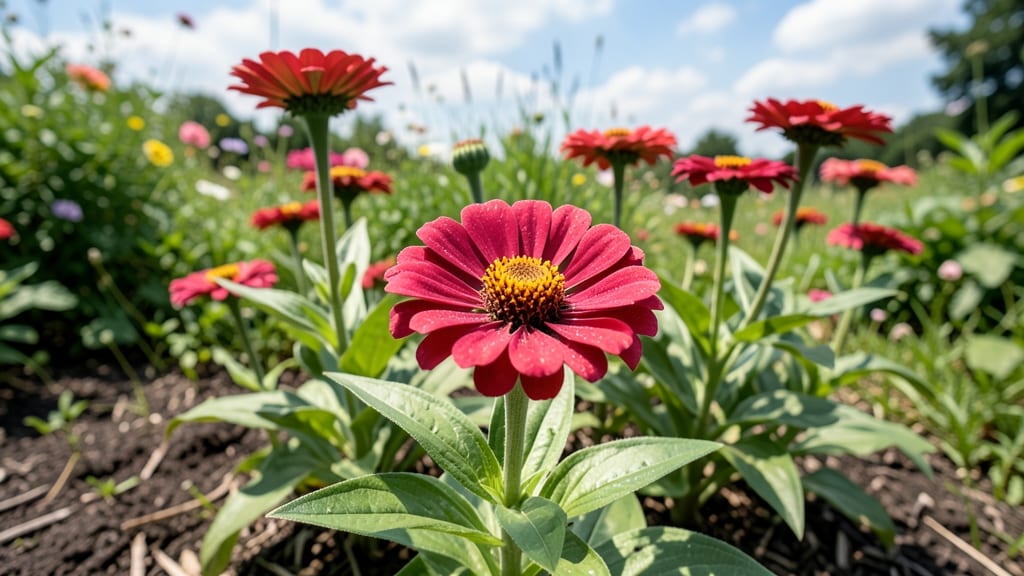
The zinnia bloom time typically falls between 45 and 75 days after planting, transforming your garden into a vibrant splash of color from June through October.
Want vibrant zinnia blooms that last all summer? Knowing the exact bloom time for each variety can help you plan your garden for maximum color—without wasting space or seeds.
For example, dwarf varieties like Thumbelina may bloom in as few as 45 days, while taller types like Benary’s Giant take closer to 75 days. The difference comes down to sunlight, soil warmth, and a little deadheading know-how.
In this guide, I’ll break down the exact bloom windows by variety, share 5 game-changing factors that speed up or delay blooms, and reveal the simplest tricks to stretch your zinnias’ show until frost.
How long until zinnia blooms: exact days by popular variety
If you've ever planted zinnia seeds and wondered when those vibrant blooms will appear, timing is everything. Zinnias are fast growers, but their bloom time varies dramatically by variety—some burst into color in just 45 days, while others take nearly 75 days to reach their first flower.
Knowing these exact timelines helps you plan for season-long color without overcrowding your garden beds.
I’ve grown zinnias for years, and the difference between a Profusion zinnia popping up in 50 days and a Benary’s Giant taking 70 days can mean the difference between a summer full of blooms and a patchy display.
Let’s break down the exact bloom times for the most popular varieties, so you can choose the perfect zinnias for your garden’s timeline.
🌱 Pro Tip: These bloom times assume ideal conditions—full sun, well-draining soil, and consistent watering. Adjust expectations if your climate is cooler or wetter.
For example, if you plant Profusion zinnias on May 1st in a warm climate, you can expect the first blooms to appear as early as June 15th. That’s just 45 days of waiting!
Meanwhile, Benary’s Giant planted on the same date might not bloom until July 15th, giving you a staggered display that extends your garden’s color palette.
I always plant a mix of fast-blooming Profusion and taller Benary’s Giant varieties to create a continuous bloom from early summer through fall. The Thumbelina series is my go-to for containers because it blooms in just 40–50 days, making it perfect for quick summer color.
💡 Key Insight: Cooler climates or later plantings can extend bloom times by 10–20 days. For instance, if you’re in Zone 5 and plant zinnias in June, expect blooms to arrive 2–3 weeks later than the stated timeline.
Another factor to consider is soil temperature. Zinnia seeds germinate best when soil reaches 60°F or warmer. If you’re in a cooler region, consider starting seeds indoors 4–6 weeks before your last frost date to hit those bloom time targets.
I’ve had great success with heat mats for early starts in my garden.
Once you know the bloom times, you can plan for succession planting. For example, sow Profusion zinnias every 2 weeks
5 Factors that speed up or delay zinnia bloom time
Zinnias are fast growers, but their bloom time can vary dramatically based on what you control in your garden. I’ve learned that even a few tweaks—like adjusting sunlight exposure or soil temperature—can shave weeks off your wait for those vibrant blooms.
Let’s break down the top 5 factors that make or break your zinnia’s timeline.
First, sunlight exposure is non-negotiable. Zinnias thrive in full sun (6+ hours daily), but even partial shade can delay blooming by 2-3 weeks. I once planted a batch in a partially shaded spot and saw blooms 45 days later instead of the usual 40.
Move them to sunnier spots as soon as you notice leggy stems or sparse flowers.
🌼 Pro Tip: Use reflective mulch (like white gravel) to bounce extra light onto container-grown zinnias if your space is limited.
- 🌞 Sunlight Exposure: 6+ hours daily = blooms in 40-45 days. Less sun = delays up to 2-3 weeks.
- 🌡️ Soil Temperature: Wait until soil hits 50°F+. Cooler soil (45°F) slows growth by 10-15 days.
- 💧 Watering Frequency: Deep watering every 3-4 days speeds blooms. Overwatering or drought stress adds 7-10 days.
- 🌿 Fertilizer Type: Use balanced 5-10-10 NPK at planting. Too much nitrogen = leafy growth, delayed blooms.
- ✂️ Pruning Techniques: Pinch back seedlings at 6 inches to encourage bushier growth and earlier blooms by 5-7 days.
Next up is soil temperature, which most gardeners overlook. Zinnia seeds need soil at 50°F or warmer to germinate properly. If you plant too early in cool soil (45°F), expect delays of 10-15 days.
I’ve used black plastic mulch to warm the soil faster—it cut my bloom time by nearly a week in spring.
Consistent watering frequency is another game-changer. Zinnias need deep watering every 3-4 days during their growing season. Overwatering or letting them dry out stresses the plant, adding 7-10 days to their bloom timeline.
I set a reminder on my phone to water mine at dawn—it’s made a huge difference in their vigor.
Don’t forget about fertilizer types! Overdoing nitrogen-rich fertilizers will give you lush foliage but delay blooms as the plant focuses on leaves. Instead, use a balanced 5-10-10 NPK fertilizer at planting, then switch to a low-nitrogen, high-phosphorus feed when buds form.
This shift helped my zinnias bloom 10 days earlier last summer.
Finally, pruning techniques can shave days off your bloom time. Pinch back seedlings when they reach 6 inches tall to encourage bushier growth. This simple step reduces competition for sunlight and nutrients, leading to earlier and more abundant blooms.
I’ve seen zinnias bloom 5-7 days faster when pruned this way.
By mastering these 5 factors, you’ll transform your zinnias from slow growers to showstopping summer stars in record time. Start with sunlight and soil temperature—those two alone can cut weeks off your wait! 🌻