Blooming
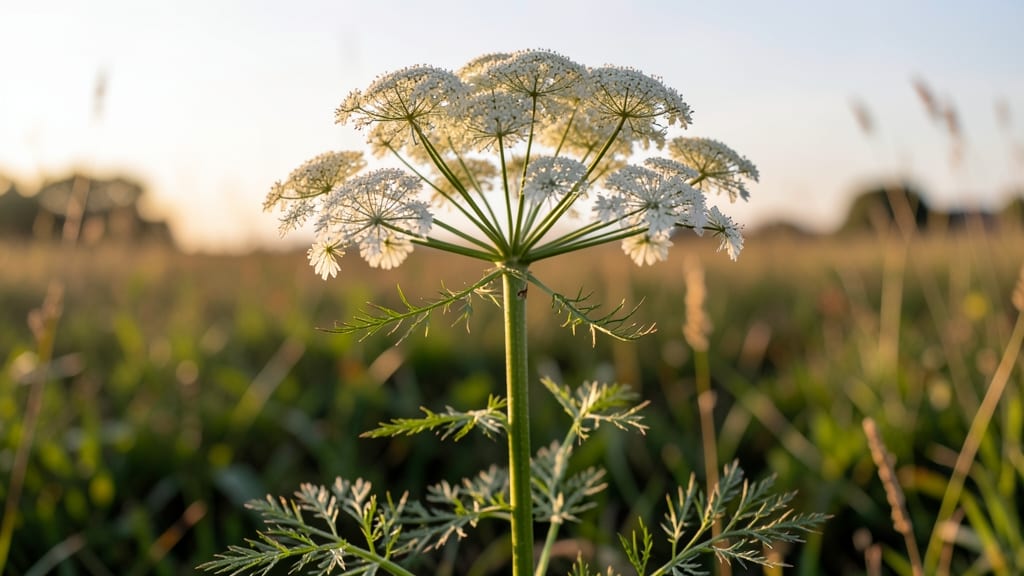
Fall gardens don’t have to fade to brown—these 10 resilient wildflowers defy the season’s chill with vibrant blooms that require minimal care. Perfect for pollinators, low-maintenance landscapes, and late-season color without the fuss of deadheading.
Goldenrod: Pollinator Magnet with Golden Clusters
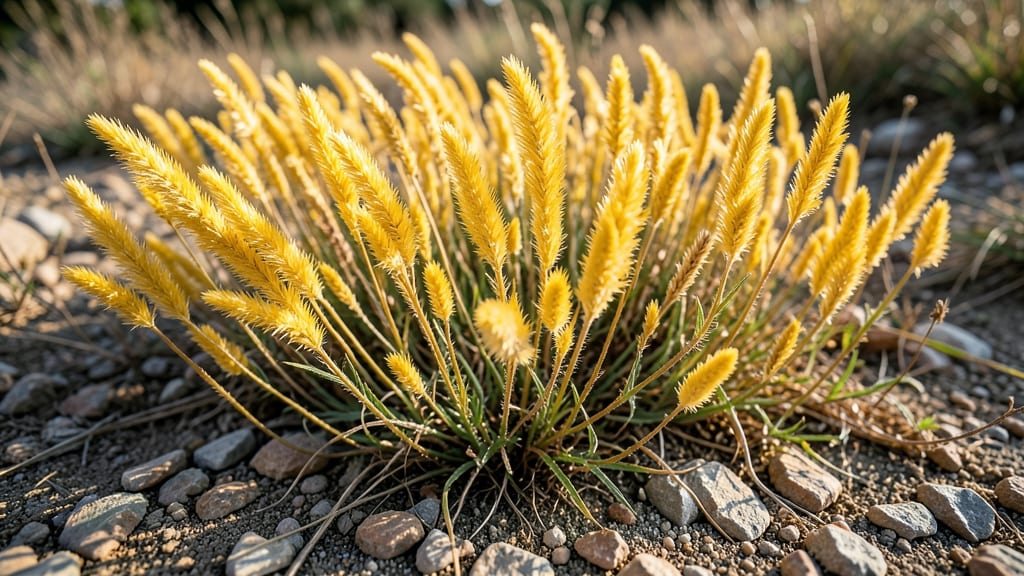
If your garden soil is more "challenging" than "prime," goldenrod is your secret weapon for fall color. This hardy perennial thrives in nutrient-poor, rocky, or sandy soils where other wildflowers would struggle, yet still delivers vibrant yellow plumes that pollinators can't resist.
Plant goldenrod in full sun to partial shade and watch it spread naturally through self-seeding, creating a low-maintenance meadow effect. Its late-summer to early-fall blooms provide nectar for bees, butterflies, and even goldfinches—making it a pollinator powerhouse. Cut back stems in early spring to encourage fresh growth, but otherwise, it requires almost no care.
Perfect for beginner gardeners or those with tough growing conditions, goldenrod adds golden clusters to your fall landscape without the fuss of deadheading. 🌟
Asters: Purple-Lavender Blooms for Late-Season Beauty
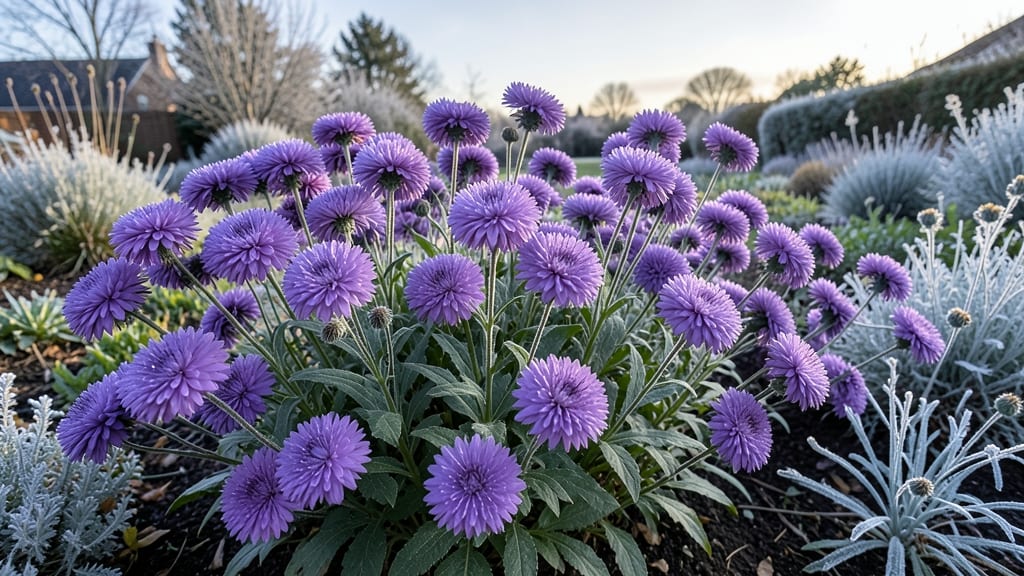
When your garden seems to fade with the first frost, asters burst onto the scene like a purple-lavender surprise, blooming reliably from late summer through November in cooler regions. These hardy perennials thrive in drought conditions and even deter deer, making them a low-stress choice for busy gardeners or wildlife-friendly landscapes.
Plant them in full sun to partial shade and watch as they attract migrating monarchs with their nectar-rich blooms. Asters also make stunning cut flowers—their stems last 7-10 days in vases. For best results, deadhead spent blooms to encourage more flowers, though they’ll still produce plenty without this step. Their tall, airy stems (2-4 feet) work beautifully in borders or meadow-style plantings.
Perfect for beginners or experienced gardeners, asters bring effortless color to fall gardens while supporting pollinators. 🌻
Blanket Flower: Fire-Resistant Orange Wildflower
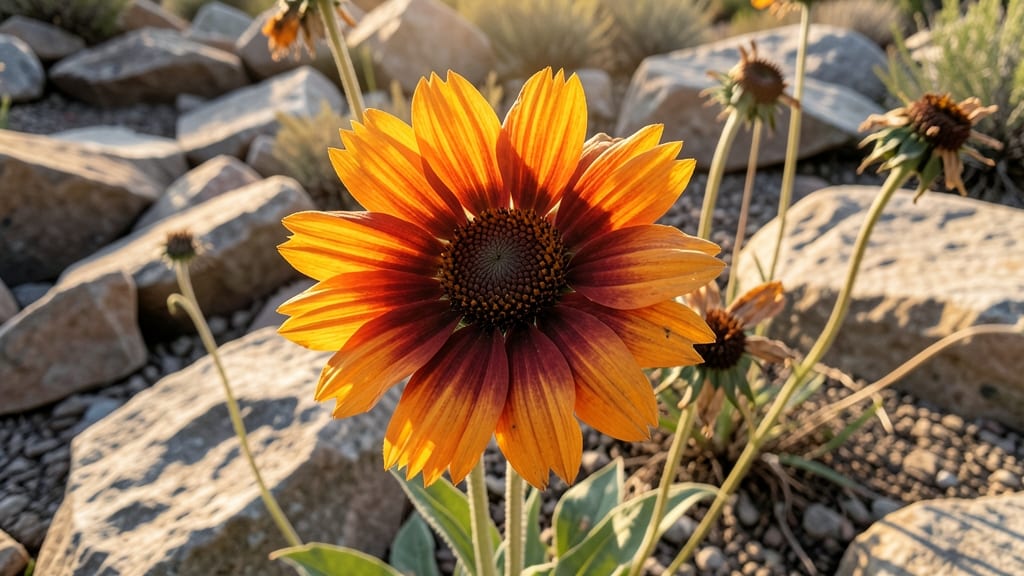
If your garden struggles with heatwaves or dry spells, blanket flower (Gaillardia) is your secret weapon. This fire-resistant wildflower thrives in full sun and drought conditions, making it perfect for xeric landscapes or rock gardens where water is scarce.
With its bright orange blooms that last from summer until frost, blanket flower attracts pollinators like bees and butterflies while requiring almost no maintenance. Plant it in well-draining soil and watch it spread effortlessly—ideal for beginners or gardeners in hot climates. 🌻
Joe-Pye Weed: Towering Purple Blooms for Hummingbirds
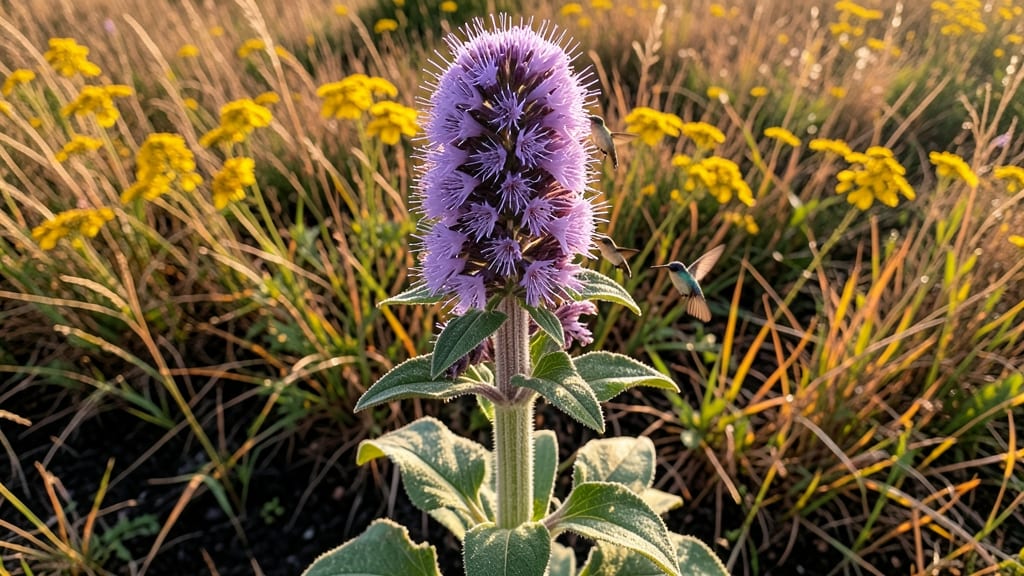
When your garden seems to lose its spark as summer fades, Joe-Pye weed steps in as a dramatic late-season showstopper. This native giant thrives where others falter, offering towering purple blooms that hummingbirds can't resist—often flowering until the first frost.
Plant it in moist, sunny spots like rain gardens or wetland edges, where its 3-6 foot stalks create vertical drama. The coarse, aromatic foliage provides shelter for beneficial insects, while the nectar-rich flowers support migrating pollinators. Deadhead spent blooms to encourage more flowers, but leave some for winter interest.
Perfect for gardeners with damp soil or those wanting to extend their pollinator season, Joe-Pye weed brings height and color when most gardens are winding down. 🌻
Sedum: Succulent-Like Fall Color for Containers
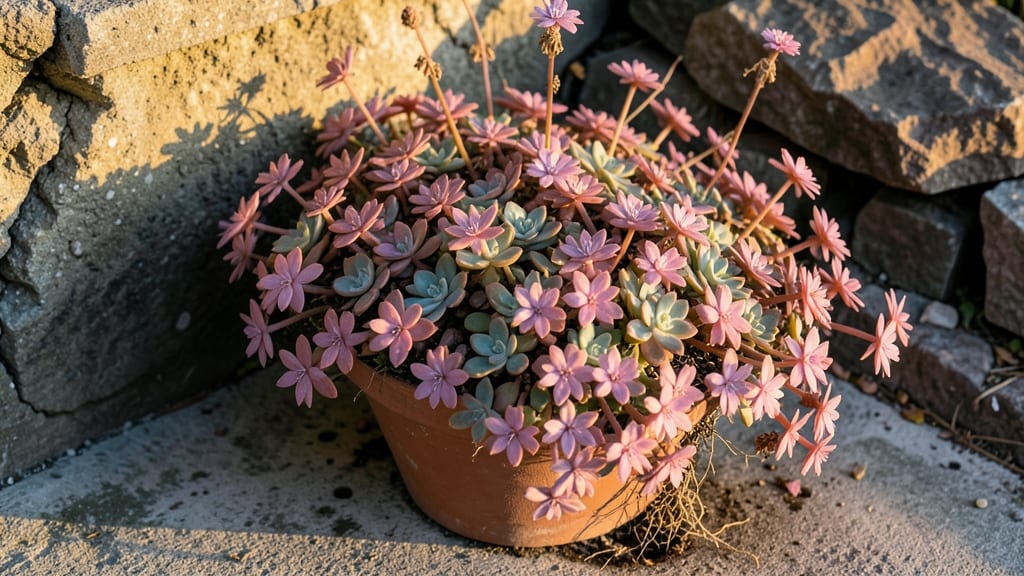
If you're craving fall color without the high-maintenance upkeep, sedum delivers stunning blooms with zero fuss. These succulent-like perennials thrive in containers, rocky slopes, or even cracks in pavement—making them ideal for urban gardens where space and water are limited.
Sedum’s star-shaped flowers bloom in shades of pink, red, or white from late summer through fall, while its thick, fleshy leaves store water like a succulent. Plant in well-draining soil and full sun for best results, and water only when the soil feels completely dry. Varieties like ‘Autumn Joy’ or ‘Matrona’ add height and texture to containers or borders.
Perfect for beginners or busy gardeners, sedum requires almost no care—just prune back spent blooms in early spring. Its drought resistance and self-sustaining nature make it a standout for low-water landscapes and pollinator-friendly gardens. 🌱
Black-Eyed Susan: Cheerful Yellow Blooms Until Frost
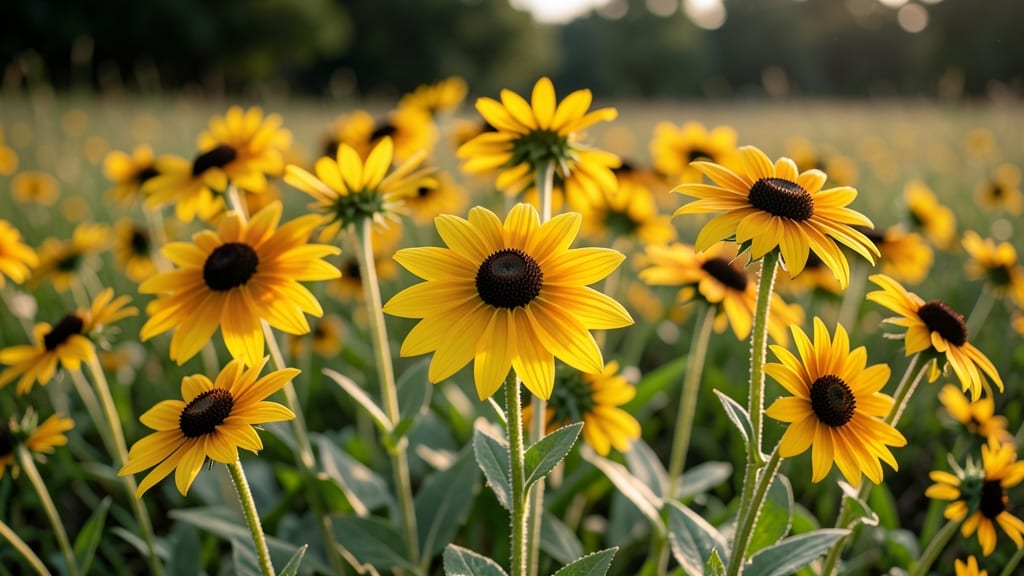
If you love a garden that looks like it’s been kissed by sunshine every day, Black-Eyed Susan (Rudbeckia hirta) is your go-to wildflower. Its cheerful golden-yellow blooms burst into view in late summer and keep shining until the first frost, making it a standout in any fall landscape.
This self-seeding perennial thrives in full sun to partial shade and adapts to almost any soil type, even dry or rocky conditions. It’s a pollinator powerhouse, attracting bees, butterflies, and goldfinches with its nectar-rich flowers. Plus, its ability to reseed means you’ll get fresh blooms year after year with almost no effort from you.
Perfect for cottage gardens or wildflower meadows, Black-Eyed Susan brings effortless charm and late-season color—ideal for gardeners who want beauty without the fuss. 🌻
Russian Sage: Silvery Foliage with Lavender Spikes
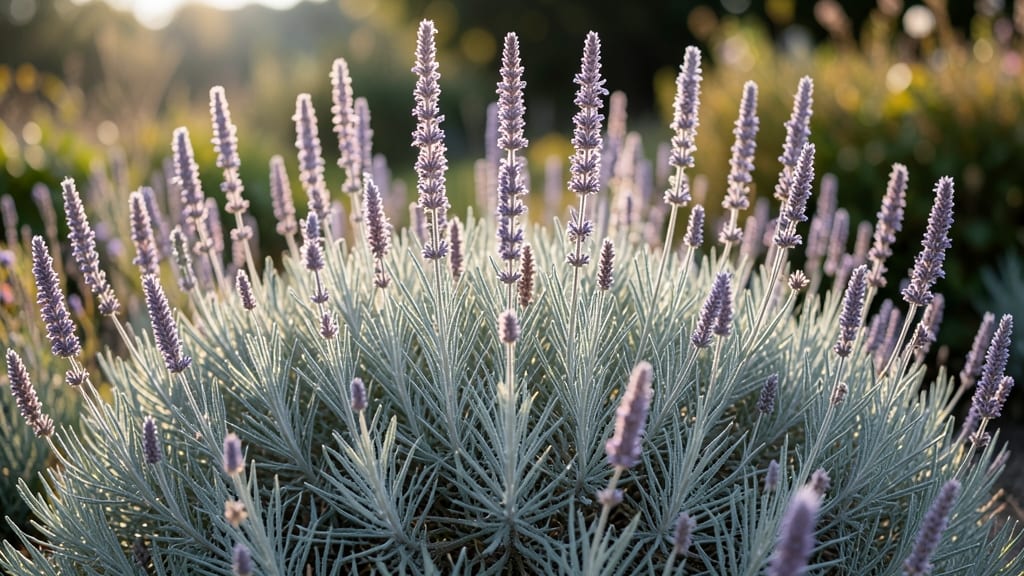
Looking for a low-maintenance wildflower that thrives in tough conditions while adding fragrance to your garden? Russian sage is your answer—its silvery foliage and lavender spikes bloom from mid-summer to fall, bringing both beauty and a subtle scent when brushed.
This drought-tolerant and deer-resistant perennial grows 3-5 feet tall, making it ideal for borders or pollinator gardens. It flourishes in poor soil and full sun, requiring minimal water once established. Plus, its airy texture adds movement to any landscape, while the blooms attract bees and butterflies.
Perfect for gardeners who want effortless color and fragrance without the fuss, Russian sage is especially great for dry climates or areas where deer browsing is a problem. 🌿
Coneflower: Purple and Pink Blooms for Butterflies
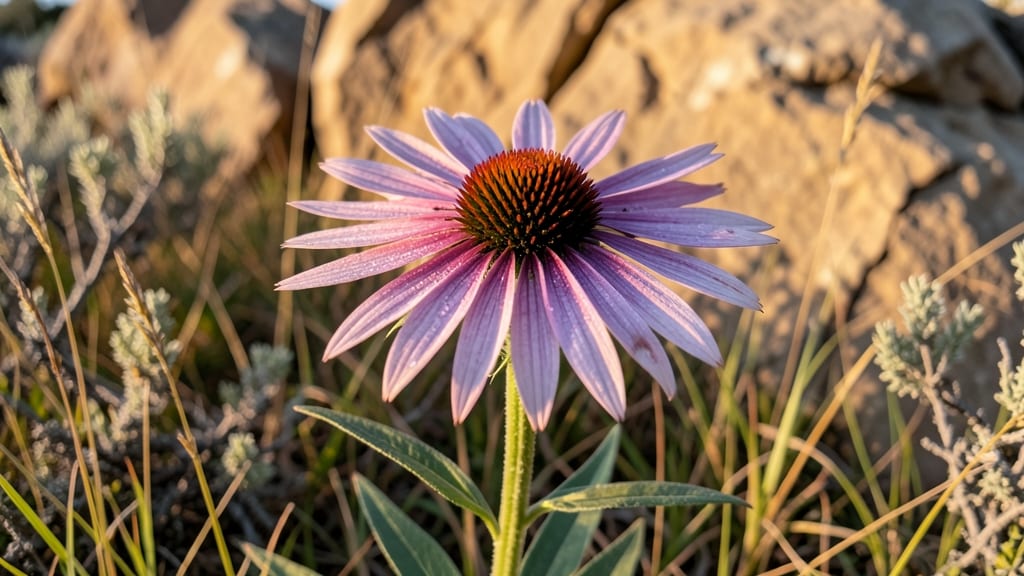
If you want a fall-blooming wildflower that’s practically indestructible, coneflower (Echinacea) delivers with its bold purple and pink blooms that last from midsummer to frost. This native plant thrives in full sun or partial shade, making it perfect for almost any garden spot—even those with rocky or poor soil.
What sets coneflower apart is its disease resistance and ability to attract butterflies, hummingbirds, and monarchs all season long. Simply leave the spent blooms on the plant—they’ll self-seed naturally, ensuring years of color with almost no effort. Plus, its vertical structure adds height to borders without needing staking.
This is the ideal choice for native plant gardens or pollinator-friendly landscapes, offering both beauty and ecological benefits. 🌟
Goldenrod Solidago: Late-Season Yellow Clusters
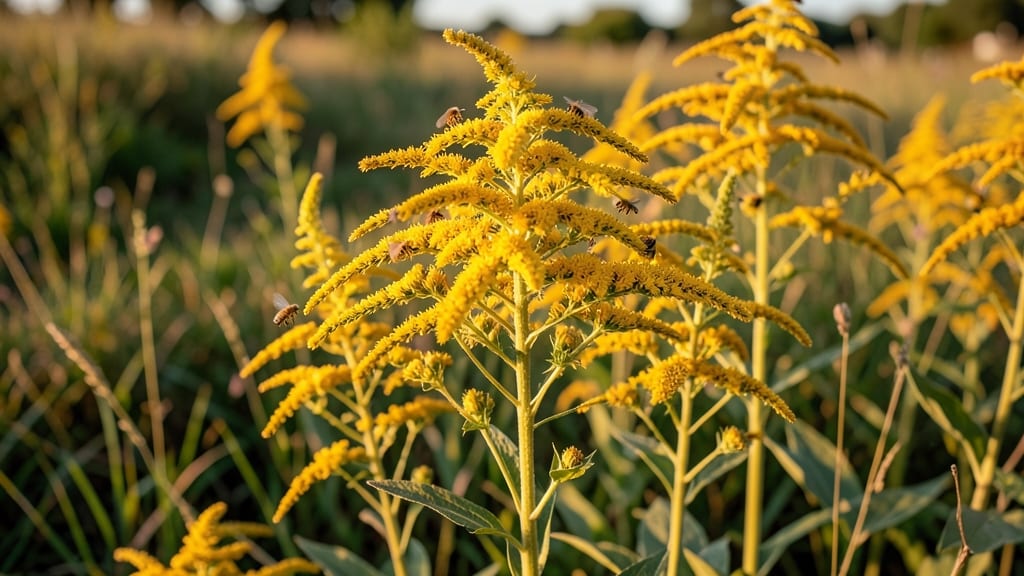
If you’ve ever watched bees and butterflies flit through late-season gardens, you’ve likely seen goldenrod (Solidago spp.) in action. This cheerful perennial bursts into bright yellow plumes from August through October, offering a critical food source when other flowers have faded.
Unlike its reputation as a weed, goldenrod thrives in poor, dry soil and spreads naturally through self-seeding, making it perfect for wildflower meadows or neglected corners of your yard. Plant it in full sun and expect minimal maintenance—it tolerates drought, deer, and even light foot traffic once established.
Ideal for pollinator gardens, goldenrod’s late blooms support migrating monarchs and hardworking bees. Let it spread freely for a low-effort burst of autumn color that keeps your garden buzzing until frost. 🌻
Queen Anne’s Lace: Lacy White Blooms with Height

Looking for a wildflower that adds elegant height to your fall garden without demanding rich soil? Queen Anne’s lace delivers airy, lacy white blooms that tower gracefully over other plants—often reaching 3-4 feet tall—while thriving in nutrient-poor conditions.
This self-seeding perennial spreads easily, making it perfect for cottage gardens or naturalized meadows where it blends seamlessly with grasses and other wildflowers. Its delicate flowers attract beneficial insects like hoverflies and parasitic wasps, which help control garden pests naturally. Once established, it requires almost no maintenance—just occasional deadheading to encourage more blooms.
Ideal for gardeners who love low-effort beauty, Queen Anne’s lace is a must for those creating pollinator-friendly spaces or adding vintage charm to their landscape. 🌿