
Shrubs
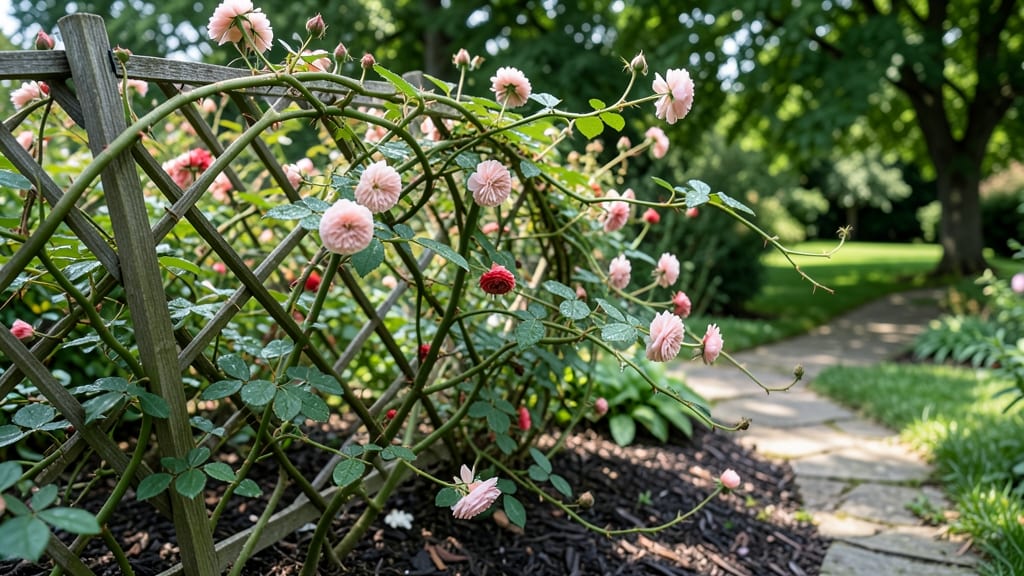
Growing wild climbing roses transforms your fence into a fragrant, floral masterpiece. 🌿 These hardy beauties thrive with minimal fuss, offering lush blooms and intoxicating scents that last all season—unlike their finicky hybrid cousins. The secret lies in understanding their natural resilience and pruning them right.
Unlike domesticated varieties, wild climbing roses grow faster and bloom more freely with less maintenance. They love full sun and well-draining soil, but they’re tough enough to handle rocky ground or poor soil once established. The key is pruning in late winter to encourage strong new growth and more flowers.
By summer, your trellis will be draped in vibrant blooms, their petals releasing a heady fragrance that lingers in the evening air. The plants become more vigorous each year, producing hundreds of blooms with proper care and minimal intervention.
Perfect for rustic gardens, country estates, or even urban spaces with sturdy supports. Here’s how to cultivate them like a pro—no green thumb required!
📚 In This Guide
- What you need
- Instructions
- Tips and common mistakes
- Wrapping up and next steps
What you need
- ● Wild climbing rose plant: Choose disease-resistant varieties like Rosa setigera or Rosa blanda (2–3 plants for full coverage).
- ● Well-draining soil: Mix 60% native soil with 30% compost and 10% perlite/sand (pH 6.0–7.0).
- ● Organic mulch: 2–3 inches of wood chips or straw to retain moisture and suppress weeds.
- ● Fertilizer: Slow-release 10-10-10 or rose-specific organic fertilizer (apply at planting and mid-season).
- ● Watering can or hose: With a gentle spray nozzle (1–2 gallons per plant, 2–3 times weekly).
- ● Pruning shears: Bypass pruners (sharp, 6–8 inch blades) for clean cuts.
- ● Gloves: Heavy-duty leather or nitrile-coated for thorn protection.
- ● Support structure: Trellis, arbor, or fence (8–10 feet tall for climbing varieties).
- ● Trowel or spade: For planting and soil amendments.
- ○ Pest control: Neem oil spray (optional, for aphids or Japanese beetles).
- ● Rose food (liquid or granular) for extra blooms.
- ● Epsom salt (1 tbsp/month) to boost magnesium.
- ● Decorative stakes or ties for young canes.
- ● Drip irrigation system for low-maintenance watering.
Step-by-Step guide to planting and pruning wild climbing roses
Here’s how to establish your climbing rose for maximum fragrance and blooms—no fancy tools, just smart care.
🌱 Step 1: Plant in Well-Draining Soil with Strong Support
Dig a hole twice as wide as the root ball but no deeper—climbing roses hate sitting too low. Amend the native soil with 2-3 inches of compost mixed into the bottom of the hole to encourage root spread. The plant’s crown (where roots meet stem) should sit just 1 inch above ground level—burying it too deep suffocates the base.
Install your trellis, arbor, or fence before planting. Climbing roses need strong, sturdy support—bamboo stakes won’t cut it. Drive posts 3 feet deep for heavy varieties like ‘New Dawn’ or ‘Blaze’. Water the hole thoroughly before placing the rose, then backfill with native soil mixed with compost. Press gently to remove air pockets but don’t compact.
☀️ Step 2: Position for Sun and Airflow
Climbing roses demand full sun—6+ hours daily—but they’ll tolerate morning sun with afternoon shade in hot climates. South-facing walls or trellises work best. Avoid cramped spaces where humidity lingers—this invites fungal diseases like black spot. Space plants 6-8 feet apart to allow airflow between canes.
Here’s the thing—if your yard gets hotter than 90°F, mulch heavily with 3 inches of wood chips to keep roots cool. Water deeply 2-3 times weekly until established (about 1-2 years), then taper to once weekly during dry spells. You’ll know it’s time to water when the top 2 inches of soil feel dry—don’t wait until leaves wilt.
✂️ Step 3: Prune for Season-Long Blooms (First Year)
Skip pruning the first year unless dead or damaged canes appear. Let the plant establish its root system—this sets the stage for next year’s fragrance-packed blooms. In late winter or early spring (before buds swell), remove no more than 20% of the plant. Cut just above an outward-facing bud, using clean pruners to avoid tearing bark.
For repeat-blooming varieties, look for 5-leaf clusters (called “leaflets”). Prune just above the fourth leaf from the base of the cluster—this encourages side shoots that produce more flowers. Thin crowded canes to 3-5 strong stems per plant. Real talk: If you see weak, thin canes, cut them back—they’ll never support heavy blooms.
🌿 Step 4: Train Canes and Maintain Through the Season
As new growth appears in spring, gently tie flexible canes to the trellis with soft plant ties (never wire—it girdles stems). Spread canes evenly to avoid shading the center of the plant. By midsummer, you’ll see long, arching stems—this is when you start pinching back the tips of vigorous shoots to encourage bushier growth.
Deadhead spent blooms weekly by cutting just above the next set of 5 leaflets. This redirects energy to new flowers instead of seed production. Fertilize monthly with a balanced rose food (10-10-10) during the growing season. Stop fertilizing in late summer to harden off canes for winter.
⏰ Step 5: Prepare for Winter and Next Year’s Blooms
In late fall, cut back all canes by half—this prevents snow damage and reduces disease overwinter. Wrap young plants with burlap or use rose cones to protect buds from freezing. Mature roses (3+ years) usually need no wrapping unless your winters dip below 10°F. Mulch heavily with 4-6 inches of straw around the base to insulate roots.
Here’s where it gets fun—spring pruning (after last frost) is your chance to shape the plant. Remove all dead wood, then prune remaining canes to 3-4 buds from the base. You’ll see tight clusters of buds forming—each one holds a future bloom. With proper care, your climbing rose will reward you with fragrance and color from June until frost.
Tips & tricks for perfect wild climbing rose care
Here's what nobody tells you about nurturing these fragrant beauties—details that make all the difference between a struggling vine and a showstopping display.
Support System: When installing your trellis or fence in Step 1, use T-posts or metal stakes instead of wooden posts if your soil is sandy or prone to erosion. The 3-foot depth requirement is critical—anything less won't anchor heavy varieties like 'New Dawn' during summer storms. I've seen roses topple when planted with only 18-inch stakes, so don't cut corners here.
Pruning Precision: In Step 3, when you're pruning those 5-leaf clusters, make your cuts at a 45-degree angle just above the fourth leaf. This angled cut prevents water from pooling on the cut surface, reducing disease risk. Use sharp pruners—dull blades crush stems, inviting infections. I always clean my pruners with rubbing alcohol between cuts on different plants.
Heat Management: If your yard consistently hits above 90°F, consider adding a shade cloth (30% coverage) during peak afternoon sun in Step 2. The 3 inches of wood chips are essential, but for extreme heat, I've found that a lightweight shade cloth draped over the trellis (not touching the canes) can prevent heat stress while still allowing plenty of light. This is especially important for young plants still establishing their root systems.
Winter Prep: In Step 5, when wrapping young plants for winter protection, leave the bottom 6 inches of cane unwrapped to prevent moisture buildup at the base. The 4-6 inches of straw mulch should be loose—don't pack it down. Packed mulch can suffocate roots and trap too much moisture. I've seen roses develop rot when mulched too heavily, so keep it fluffy like a blanket.
Pro Tips for Wild Climbing Rose
- Here's what nobody tells you about nurturing these fragrant beauties—details that make all the difference between a struggling vine and a showstopping display.
- Support System: When installing your trellis or fence in Step 1, use T-posts or metal stakes instead of wooden posts if your soil is sandy or prone to erosion.
- Pruning Precision: In Step 3, when you're pruning those 5-leaf clusters, make your cuts at a 45-degree angle just above the fourth leaf.
Frequently asked questions
Got questions about growing wild climbing roses?
You’re not alone! Here are answers to the most common queries—from planting to pruning—so you can enjoy lush, fragrant blooms all season.
When is the best time to plant wild climbing roses?
Plant your wild climbing rose in early spring or fall when soil temperatures are mild (50–70°F). Avoid extreme heat or frost—roots need time to establish before stress. If planting in summer, keep the soil consistently moist and provide afternoon shade for the first few weeks.
How often should I prune a wild climbing rose for maximum blooms?
Prune once a year in late winter or early spring (before new growth starts). Cut back about 1/3 of the oldest canes to encourage vigorous growth and more flowers. Deadhead spent blooms regularly during the season to prolong flowering. Pro tip: Use sterilized pruners to prevent disease!
Can wild climbing roses grow in containers?
Yes! Choose a large container (at least 15–20 gallons) with drainage holes and a well-draining potting mix. Dwarf or mini climbing varieties (like ‘The Fairy’) work best. Place the container in full sun and water deeply 2–3 times per week during dry spells. Just be ready to prune more frequently to control size.
Why aren’t my wild climbing roses blooming?
Lack of blooms often stems from over-pruning, poor sunlight, or nutrient deficiencies. Ensure your rose gets 6+ hours of direct sun daily and prune correctly (see above). Feed with a balanced rose fertilizer in spring and again after blooming. If canes are leggy, they may need a renewal prune to stimulate new growth.
Are wild climbing roses invasive or aggressive?
Wild climbing roses (like Rosa multiflora) can be moderately invasive if left unchecked, spreading via suckers and seeds. To control them, prune aggressively in early spring, remove seed hips, and plant in contained spaces (like trellises or raised beds). In climates with mild winters, they may reseed prolifically—plan accordingly!
Wrapping up and next steps
Growing a wild climbing rose is a rewarding journey that brings fragrant blooms, lush foliage, and timeless beauty to your garden. With the right pruning techniques and care, you’ll enjoy season-long blossoms that turn heads—and noses!—all year. 🌹
Ready to transform your space? Start by selecting a healthy plant and pruning with confidence. Then, watch your climbing rose thrive as it climbs, blooms, and fills your garden with natural elegance. Happy gardening!
Next step: Grab your pruners and give your climbing rose the love it deserves—your garden will thank you! 🌿