
Pests and Diseases
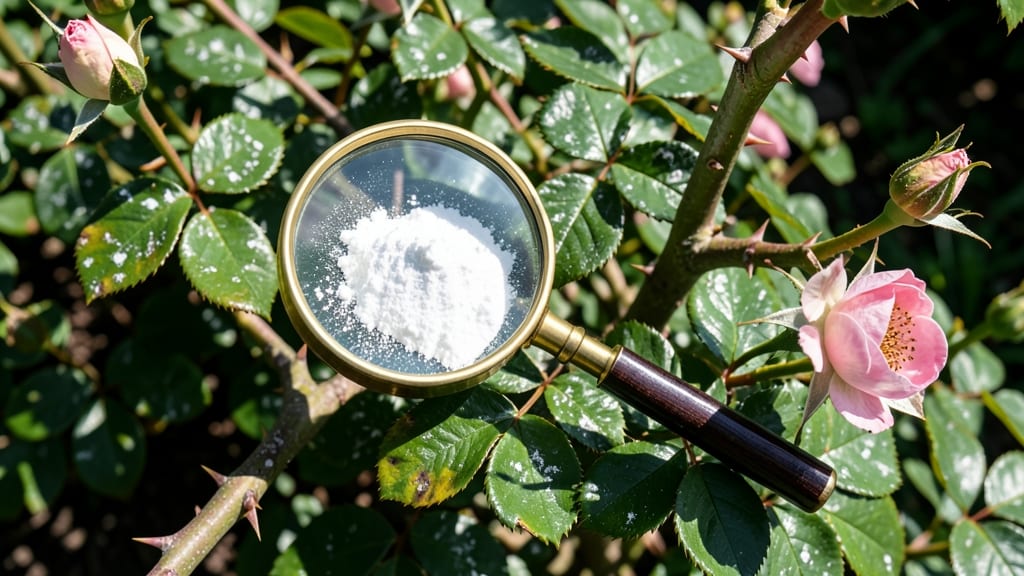
That white powder on your rose leaves isn't dust—it's powdery mildew, and it's stealing your plant's energy. 🌿 I've battled this fungal foe for years, and the good news is, you can turn things around without harsh chemicals.
The key is acting fast before it spreads to every leaf and bud.
This problem thrives in shady, humid conditions where air can't circulate. My roses always break out with this powder after a rainy spring, and the fix starts with better airflow—prune crowded branches and space plants 2-3 feet apart.
You'll also want to water at the base, not overhead, to keep those leaves dry.
For immediate relief, mix a tablespoon of baking soda with a quart of water and a drop of dish soap, then spray the undersides of leaves where the fungus hides.
Repeat every 7-10 days until you see fresh green growth pushing through. The powder will fade faster than you think with consistent care.
Prevention is where the real magic happens—mulch around your roses to regulate soil moisture, choose disease-resistant varieties like 'Knock Out' roses, and give them at least 6 hours of sunlight daily. Your roses will bounce back stronger than ever, and you'll spot this problem earlier next time.
Root Causes of White Leaf Powder
When you spot that unsettling white powdery residue dusting your rose leaves, it’s rarely a coincidence—it’s a sign your plants are under siege. Understanding the why behind this issue is the first step to reclaiming healthy, vibrant roses.
Below, we break down the most common culprits, their science-backed triggers, and how they hijack your plants’ defenses.
The most notorious cause of white powder on rose leaves is powdery mildew, a fungal disease caused by pathogens like Erysiphe or Sphaerotheca. These fungi thrive in moist, shaded environments and spread via wind or splashing water.
- How it works: Fungal spores land on leaves, germinate, and form a white, powdery mycelium that blocks sunlight, starving the leaf of energy.
- Trigger factors:
- 🌧️ High humidity (70%+) – Fungi love damp conditions.
- 🌿 Poor airflow – Crowded plants or dense foliage trap moisture.
- 🌞 Low light – Shady spots weaken roses, making them susceptible.
- 💧 Overhead watering – Wet leaves create the perfect fungal buffet.
- Red flag: Powdery mildew often starts on young, tender leaves and spreads downward if untreated.
Not all white powder is fungal—some pests leave behind a chalky residue as they feed. The most common offenders include:
- Mealybugs – These sap-sucking insects excrete a white, cottony waste while piercing leaves.
- Scale insects – Their waxy, powdery shells cling to stems and undersides of leaves.
- Aphids (in heavy infestations) – While they don’t leave powder, their honeydew secretions can attract sooty mold, which appears as a black, powdery film.
Why it happens: These pests thrive in warm, dry conditions and weak plants (often those stressed by drought or poor nutrition). Their waste disrupts photosynthesis, causing leaves to yellow or curl.
Sometimes, the white powder isn’t a pathogen or pest at all—it’s a sign of environmental distress. Here’s how:
| Cause | How It Shows Up | Why It Happens |
|---|---|---|
| Mineral Buildup (Fertilizer Burn) | Crusty, white salt deposits on leaves (often near edges). | Excessive salt-based fertilizers or hard water leave residues that crust over leaves, clogging pores. |
| Dust or Pollen | Fine, fluffy white film that wipes off easily. | Outdoor roses magnetize dust, pollen, or airborne debris, especially in dry climates. |
| Chemical Residue (Pesticide Drift) | Powdery white or chalky spots that may burn leaf edges. | Nearby herbicide or fungicide use can leave calcium or sulfur deposits on leaves. |
Pro tip: Rub a leaf between your fingers—if the powder smudges or leaves a stain, it’s likely mineral buildup or chemical residue. If it flakes off like dandruff, it’s probably fungal.
Even the hardiest roses can develop white powder if their basic needs aren’t met. Common oversights include:
- Overwatering – Soggy soil promotes fungal growth by keeping leaves damp for long periods.
- Underwatering – Stressed, thirsty plants produce weak leaves that fungi latch onto easily.
- Improper pruning – Overcrowded canes block airflow, trapping moisture.
- Nutrient deficiencies – Low nitrogen or phosphorus weakens roses, making them prime targets.
Key takeaway: White powder is often a symptom of deeper issues—whether it’s fungal, pest-related, or environmental. The first step to fixing it? Identify the root cause before treating.
Quick Fixes for Fuzzy Rose Foliage
Got that mysterious white powder dusting your rose leaves? Don’t panic—most cases are treatable with the right approach! Below, we’ve mapped the most common causes to practical, step-by-step solutions so you can restore your roses to their vibrant best.
Plus, we’ll share prevention tips to keep those fuzzy intruders away for good.
If the white powder resembles talcum powder or a fuzzy web, you’re likely dealing with a fungal foe. These thrive in humid, shaded conditions but can be beaten back with consistency.
🔥 Step 1: Prune & Clean Up
Start by removing infected leaves and stems—but don’t toss them in the compost!
Fungi can linger, so bag and discard them or burn them (if local regulations allow). - Pro Tip: 💡 Use sterilized pruners (wipe with rubbing alcohol) to avoid spreading spores to healthy plants.
👨🍳 Step 2: Apply Fungicide
Choose a copper-based fungicide (like copper sulfate) or a neem oil solution (1 tsp neem oil + 1 quart water + a drop of dish soap).
Spray both sides of leaves and stems, focusing on undersides where fungi love to hide. - When to spray: Early morning or late evening to avoid burning leaves in direct sun. - Frequency: Repeat every 7–10 days until the problem clears (usually 2–4 weeks).
🌡️ Step 3: Boost Airflow & Sunlight
Fungi hate dry, breezy conditions. Space plants 3–4 feet apart and prune to improve airflow. If your roses are in shade, consider gradually moving them to sunnier spots (acclimate slowly to avoid shock).
✨ Prevention for Next Season
- Water wisely: 💡 Use drip irrigation or water at the base (not overhead) to keep leaves dry.
- Mulch properly: Apply 2–3 inches of organic mulch (like straw or wood chips) to regulate soil moisture.
- Resistant varieties: Plant disease-resistant roses (e.g., ‘Knock Out’ or ‘Dr. Huey’) if fungi are a recurring issue.
If the white powder is sticky, clustered, or moves when disturbed, you might have mealybugs, scale, or aphids. These pests suck sap and leave behind a sugary residue that can attract fungi.
🔪 Step 1: Knock Them Off
- Blast with water: Use a strong hose spray to dislodge pests from leaves and stems.
- Q-tip method: Dip a cotton swab in rubbing alcohol (70% isopropyl) and dab individual bugs (great for small infestations).
🍳 Step 2: Soap or Oil Spray
Mix 1 tbsp mild liquid soap (like Castile) or horticultural oil with 1 quart water. Spray directly on pests (avoid blooms if roses are in flower).
Reapply every 5–7 days for 2–3 weeks. - Pro Tip: 💡 Add 1 tsp neem oil to the mix for extra pest-repelling power.
🚫 Step 3: Introduce Beneficial Insects
Ladybugs and lacewings love munching on mealybugs. Buy them online or attract them with native plants like dill, fennel, or marigolds.
🎯 Long-Term Prevention
- Inspect regularly: Check new growth and leaf undersides weekly.
- Isolate new plants: Quarantine store-bought roses for 2 weeks before planting.
- Encourage predators: Plant companion plants like garlic or chives to deter pests naturally.
If the white powder is granular, flaky, or only on certain leaves, it might be over-fertilization, dust, or mineral buildup from hard water.
🌧️ Step 1: Rinse Gently
Use a soft cloth or spray bottle with water to wipe off dust or residue. Avoid harsh scrubbing to prevent leaf damage.
📊 Step 2: Adjust Fertilizer Practices
- Test your soil: Use a home soil kit to check pH and nutrient levels.
Roses prefer slightly acidic soil (6.0–6.5). - Switch fertilizers: If using high-nitrogen feeds, opt for a balanced formula (10-10-10) or organic options like compost tea. - Flush the soil: Water deeply to leach out excess salts (especially if using tap water with high minerals).
🔄 Prevention Tips
- Use filtered or rainwater for watering to reduce mineral buildup.
- Mulch heavily to prevent soil from drying out and crusting.
- Avoid overhead watering during dusty conditions (like windy days).
- Fungal issues: 2–4 weeks with consistent treatment.
- Pest problems: 2–3 weeks (or longer for severe infestations).
- Chemical residue: Immediate improvement after rinsing; soil balance may take longer.
Remember: The key to long-term success is prevention—healthy roses with good airflow, proper watering, and regular check-ups will stay powder-free and proud! 🌹✨
Frequently asked questions
Is white powder on rose leaves always a fungal disease?
Not always! While powdery mildew is the most common cause, white powder can also come from pests like mealybugs or scale insects, which leave behind sticky residues. Try rubbing a leaf between your fingers—if it flakes off like dandruff, it's likely fungal. If it's sticky or clustered, you're probably dealing with pests.
Can I use household items to treat powdery mildew on roses?
A simple baking soda spray works wonders. Mix 1 tablespoon baking soda, 1 quart water, and a drop of dish soap, then spray both sides of leaves. Repeat every 7-10 days until the powder disappears. For stubborn cases, add 1 teaspoon neem oil to boost effectiveness.
Why does my rose bush keep getting white powder even after treatment?
Persistent white powder often means poor airflow or humidity issues. Check if your roses are crowded—space them 3-4 feet apart and prune to improve circulation. Also, water at the base (not overhead) to keep leaves dry. If the problem continues, test your soil pH—roses prefer 6.0-6.5 and may need a balanced fertilizer.
Is it safe to prune infected leaves during rainy weather?
No, avoid pruning during wet conditions. Fungal spores spread easily in moisture, so always prune on dry, sunny days. After cutting, sterilize your pruners with rubbing alcohol and dispose of infected plant debris in sealed bags (not compost). This prevents spores from infecting healthy plants or spreading to your garden.
Will commercial fungicides harm my roses if used incorrectly?
Most commercial fungicides are safe when used as directed, but always follow package instructions. Overuse can lead to resistance or leaf burn. For organic options, copper-based sprays are effective but should be applied in early morning or evening to avoid sun damage. When in doubt, start with a diluted solution and monitor your roses for sensitivity.