
Pruning
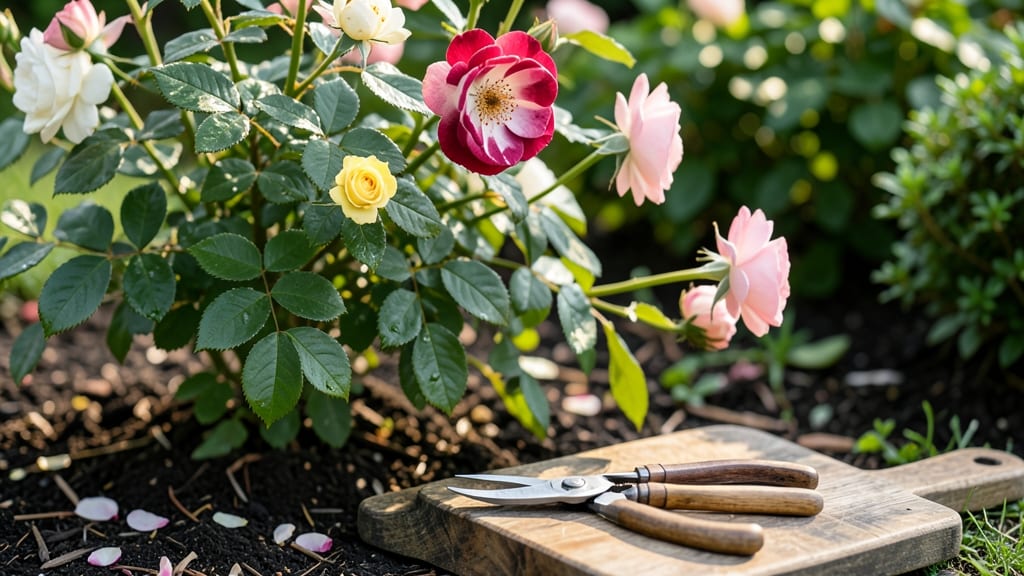
Trimming your rose bushes at the right time in North Carolina’s Zone 7a-8b climate is the key to healthier blooms and stronger growth.
Picture this: you’ve just spent the winter admiring your 🌹 roses, only to realize they’re not blooming as vibrantly as they should. The culprit? Trimming at the wrong time—whether it’s too early in the cold snaps or too late in the heat.
In NC’s mild winters, the window is narrow but critical.
Most gardeners know to prune in late winter or early spring, but NC’s unique climate demands a few extra adjustments. Late frosts can sneak in until mid-April, and summer humidity means you’ll want to avoid heavy pruning when the heat kicks in.
The goal? Encourage fresh growth without stressing the plant.
Below, I’ll walk you through the exact timing—when to trim for early blooms, when to hold off for late-season flowers, and how to shape your roses for maximum airflow in NC’s sticky summers. No more guesswork, just clear, actionable steps for roses that thrive year after year.
Best times to trim rose bushes in NC Zone 8 for maximum blooms
North Carolina’s Zone 8 climate offers a unique window for rose pruning, where mild winters and hot summers demand precise timing. Unlike colder zones, you can start trimming as early as late February—but only if frost risks are gone.
Miss the mark, and you’ll risk stunted growth or disease from NC’s humidity. Let’s break down the exact windows for maximum blooms and how to adjust for your local microclimate.
Your first pruning opportunity arrives in late winter (February-March), right before buds swell. This is when you remove dead, diseased, or crossing branches to prep for spring growth.
In NC, where winters are rarely harsh, you can often start earlier than in colder zones—just confirm no more 28°F frosts are forecasted. For repeat-blooming roses, this early trim sets the stage for continuous flowers.
Here’s the seasonal pruning timeline tailored for NC’s Zone 8, including climate-specific adjustments to avoid common mistakes:
If you’re growing climbing roses, time your late winter trim to February-March but focus on shaping rather than heavy cuts. These varieties need support to handle their weight, and NC’s humidity can stress them if pruned too aggressively.
For hybrid teas, aim to finish your late winter trim by early March to avoid the rush of new growth before NC’s last frost.
One of the biggest mistakes in NC is trimming after late spring frosts (which can still hit in April). Always check your local frost date—Raleigh’s last frost is typically around April 15, while Asheville’s may linger until May 1.
Waiting too long means you’ll cut into next season’s blooms or encourage weak, disease-prone growth from the heat and humidity.
For repeat-blooming roses, the post-bloom trim in June-July is critical. This isn’t just about aesthetics—it’s about redirecting energy to new canes that will produce fall blooms. In NC’s heat, this trim also improves airflow, reducing the risk of black spot fungus, which thrives in the state’s damp summers.
Use sterilized tools and cut at a 45-degree angle just above an outward-facing bud.
Fall pruning in NC is often overlooked, but a light trim in October-November removes dead wood and preps your roses for winter. Unlike colder zones, you don’t need to prune heavily—just tidy up and add 2-3 inches of mulch to protect roots from NC’s mild but variable winters.
Stop trimming by November 15 to avoid stimulating new growth before the first frost.
Pro tip: Mark your calendar for February 15 as your target start date for late winter pruning. Adjust based on your local frost data—use the NC State Climate Office for your specific county.
And always prune on a dry, overcast day to reduce stress on your roses, especially in NC’s humid climate.
Step-by-step pruning guide for NC roses: what to cut and when
Pruning your Zone 8 roses in North Carolina isn’t just about cutting back—it’s about revitalizing growth while avoiding disease in our humid climate. Whether you have hybrid teas, floribundas, or climbing roses, the key is timing and technique.
Late winter to early spring is your prime window, but post-bloom trims keep those summer flowers coming.
Start by removing dead or diseased wood first—these are your priority cuts since they spread problems. Next, shape your rose bush to improve air circulation, which is critical in NC’s damp summers.
For repeat-blooming varieties, you’ll also trim back spent blooms to encourage continuous flowering. Let’s break it down step by step for your NC garden.
- 1 Late Winter (Feb-March): Trim after last frost (typically after mid-April in NC). Focus on dormant pruning—cut back 1/3 of last year’s growth to encourage strong new shoots.
- 2 Early Spring (April): Lightly shape bushes to remove crossing branches and improve airflow. Avoid heavy pruning—save aggressive cuts for late winter.
- 3 Post-Bloom (June-August): Trim spent blooms to the first 5-leaflet leaf. This encourages continuous flowering for hybrid teas and floribundas all summer.
- 4 Fall (October-November): Light pruning only—remove weak or diseased canes before winter. Avoid heavy cuts to prevent winter dieback in NC’s mild but damp winters.
When pruning, always cut at a 45-degree angle, about 1/4 inch above a bud that faces outward. This ensures proper healing and better airflow through the bush. For climbing roses, avoid over-pruning—they bloom on old wood, so focus on shaping rather than drastic cuts.
Use sterilized pruners to prevent black spot and other fungal diseases common in NC’s humidity. After trimming, apply a copper fungicide if your roses are prone to disease. Mulch around the base to retain moisture and protect roots during our hot summers.
Remember, timing is critical—trim too early, and you risk frost damage to new growth; trim too late, and you miss the spring bloom window. With these steps, your NC roses will thrive with vibrant blooms all season long. 🌿