
Plants
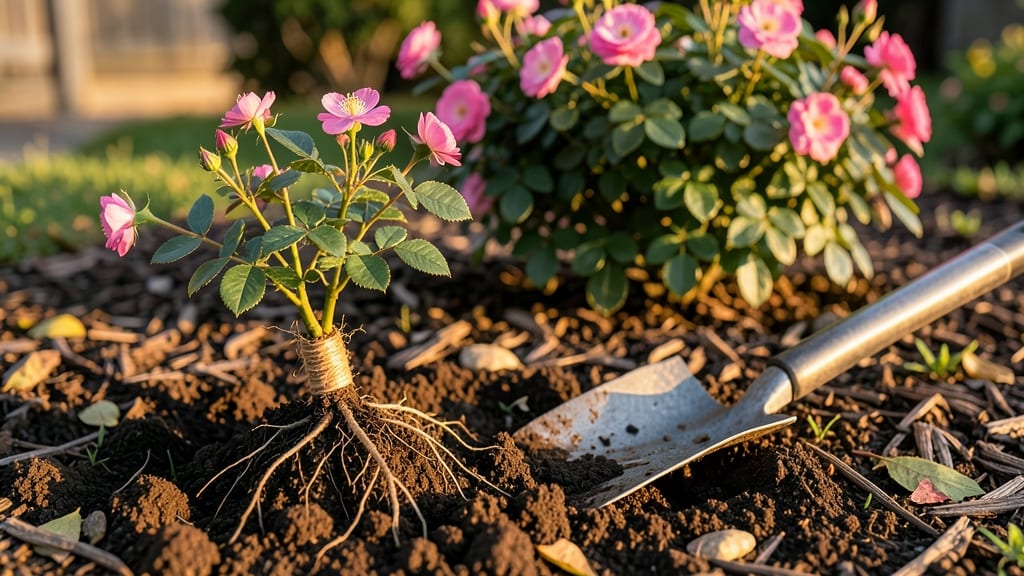
Planting roses in Florida at the right time ensures year-round blooms and avoids transplant shock or disease.
Florida’s warm climate means roses can bloom year-round—but planting them at the wrong time risks stunted growth or disease. Timing is everything for thriving roses in the Sunshine State.
In Zones 8a-11, the best window is fall through early spring, when temperatures are mild and soil stays moist. This is when bare-root roses thrive, too, reducing stress on new plants.
Below, I break down the exact months for North vs. South Florida, soil prep tips, and how to extend your planting season for maximum blooms.
Optimal planting months for Florida roses by region
Florida’s diverse climate means rose planting timing varies dramatically from North to South Florida. While roses can technically be planted year-round, strategic timing ensures healthier roots and longer bloom seasons.
In North Florida (USDA Zones 8a-8b), cooler winters create ideal conditions for fall planting, while South Florida (Zones 10a-11) allows for more flexible windows due to its frost-free climate.
The key is avoiding heat spikes and transplant shock—both of which can stress young roses. For bare-root roses, cooler temperatures (50-60°F soil) help roots establish before summer’s intensity.
Container-grown roses offer more flexibility but still benefit from seasonal adjustments. Let’s break down the best months for each Florida region to maximize your roses’ potential.
🌹 Pro Tip: Always amend soil with compost and organic matter before planting to improve drainage—critical in Florida’s heavy clay soils.
In North Florida, I recommend planting bare-root roses in November or December to give roots time to establish before spring’s heat. The soil temperature should ideally stay between 50–60°F—any warmer, and roots struggle to adapt.
For container-grown roses, February is a safe bet, as daytime highs are milder.
Central Florida gardeners have a slightly longer window, with October through February being ideal. The humidity spike in summer makes planting risky, as it invites fungal diseases like black spot.
If you must plant in March or April, choose disease-resistant varieties like Knock Out roses and mulch heavily to retain moisture.
South Florida’s frost-free climate is a game-changer—roses can be planted year-round! However, the intensity of summer sun (often exceeding 90°F) demands extra care. June–September is the sweet spot for container roses, as they can be moved to shaded areas during peak heat.
For in-ground planting, focus on afternoon shade and drip irrigation.
For all regions, fall planting (September–November) is my top recommendation. Cooler nights and moderate rainfall create perfect conditions for root growth. In South Florida, this means planting in September or October to avoid hurricane season disruptions (June–November).
Always water deeply after planting and apply a 2–3 inch mulch layer to lock in moisture.
🌱 Key Mistake: Planting bare-root roses in summer without shade cloth—roots can dry out within hours. Always check the USDA zone map for your exact location to fine-tune timing.
If you’re in a transition zone (e.g., Orlando’s microclimates), observe your local soil temperature with a soil thermometer. Aim for 60°F or lower for best results.
For container roses, you can push boundaries—planting in May or early June is often safe if you provide afternoon shade and daily watering.
Remember, Florida’s heat is relentless, but with the right timing, your roses will thrive year-round. Whether you’re in Panama City, Tampa, or Miami, adjust for your local microclimate—coastal areas stay cooler than inland zones. Start with disease-resistant varieties like Dr. Hue
Signs your rose planting timing is perfect (or terrible)
Planting roses in Florida at the wrong time can leave your bushes struggling—wilting in summer heat or failing to establish roots before winter chill. The key to success lies in reading your climate’s subtle cues.
In North Florida, where frost still lingers, timing matters most, while South Florida’s year-round warmth offers more flexibility. But even there, extreme heat can stress young plants.
Perfect timing means your roses get a 6-8 week head start before summer’s brutal heat or winter’s occasional cold snaps. Look for soil temperatures between 60-70°F—this is ideal for root development.
In Florida’s Zone 9-11, this often means planting between September and March, while Zone 8a gardeners should aim for November to February.
⚠️ callout warning ⚠️
🚨 Warning: These Signs Mean You Planted Too Early or Late
- Yellowing leaves within 2 weeks? Too early—roots can’t establish in warm soil.
- Stunted growth despite care? Too late—heat stress or frost damage may have occurred.
- Wilting in afternoon heat? Planting in peak summer shocks roots before they adapt.
Florida’s humidity and heat spikes create a narrow window for success. Avoid planting when soil temps exceed 80°F or during rainy season downpours.
One of the best seasonal cues is observing your local azalea blooms. When these shrubs finish flowering, it’s typically safe to plant roses in North and Central Florida. In South Florida, monitor monsoon season—planting before June’s heavy rains reduces fungal risks.
Another trick? Check day length: aim for 10-12 hours of daylight, which aligns with Florida’s fall and winter months.
Mistake alert: Many gardeners assume Florida’s warmth means year-round planting is ideal. But bare-root roses planted in summer’s peak (June-August) often bolt—sending all energy into leaves instead of roots.
Container-grown roses fare slightly better but still struggle with transplant shock during heatwaves. If you must plant in summer, choose shadier spots and water deeply every 2 days.
For perfect timing, pair soil temperature checks with weather forecasts. Use a soil thermometer (insert 2 inches deep) and avoid planting if temps rise above 75°F for more than 3 consecutive days.
In South Florida, where frost is rare, focus on humidity levels—plant when humidity drops below 70% to reduce fungal diseases like black spot.
Remember: Fall planting (September-November) is your golden window across Florida. Roses planted then establish roots before summer’s heat and bloom prolifically the following spring. If you miss this, winter planting (December-February) is your second-best option—just mulch heavily to protect roots from North Florida’s occasional cold snaps.
The worst time? April-May, when heat and drought stress combine to stunt growth.