Blooming
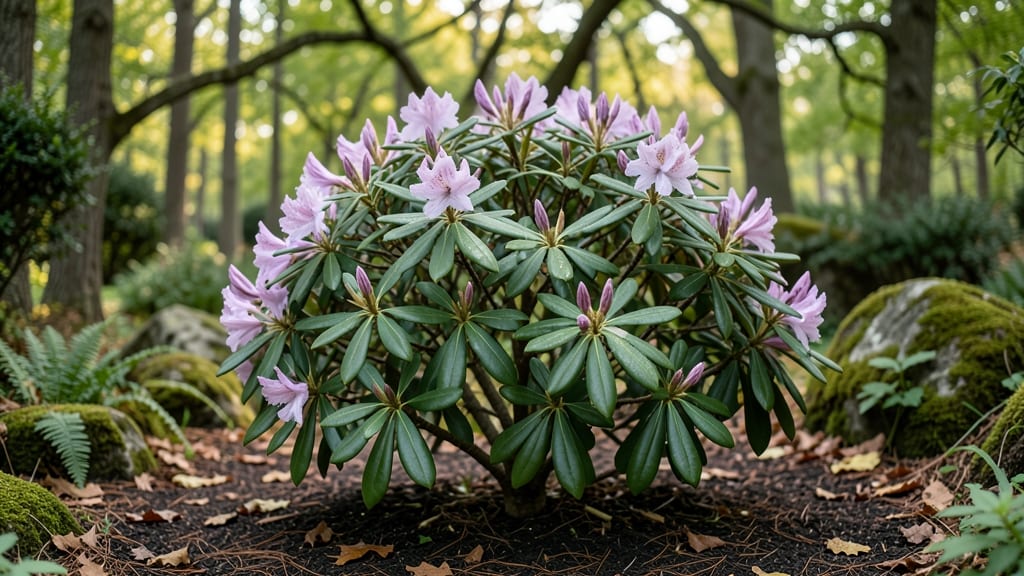
Rhododendrons in Massachusetts bloom between late April and early June 🌸, beating frost risks by weeks compared to many spring flowers.
Massachusetts gardeners know the struggle of late springs—frost delays can ruin delicate blooms—but rhododendrons offer a stunning solution. These hardy shrubs burst into color earlier than most, making them a standout choice for New England’s unpredictable climate.
Coastal areas like Cape Cod often see blooms as early as mid-April, while inland regions in the Berkshires may wait until late May. The difference comes down to microclimates and last-frost dates, which can vary by two weeks across the state.
Below, I’ll break down the best frost-resistant varieties for your zone, how to extend their bloom time, and why early April is the magic window for planting if you want a head start on next year’s flowers.
Massachusetts rhododendron bloom timeline: month-by-month frost-resistant schedule
Massachusetts gardeners know that late spring frosts can devastate early bloomers, but rhododendrons are built to outsmart the weather. Their early bloom windows often align with Zone 4–7 frost dates, making them perfect for our unpredictable climate.
Understanding their month-by-month schedule helps you plan for stunning displays while minimizing frost damage risks.
Rhododendrons typically bloom between March and June, with early varieties pushing buds as early as late March, while late bloomers may not peak until June.
The key to success lies in knowing your last frost date, which varies across MA—from April 15 in the north to May 1 in coastal areas. This timeline ensures you choose varieties that align with your microclimate.
For Zone 4 gardeners in western MA, focus on early blooming varieties like 'PJM' or 'Catawbiense Grandiflorum', which often push through light frosts. These varieties typically bloom in late April to early May, just as the frost risk begins to taper off.
Plant them in south-facing spots where they receive morning sun and afternoon shade—this helps them warm up faster in the morning and cool down safely at night.
In Zone 5–6 areas, like the Boston metro or central MA, you can extend your bloom season by mixing early, mid, and late varieties. For example, 'Nova Zembla' (early) blooms in April, while 'Elizabeth' (mid) peaks in May, and 'Roseum Elegans' (late) shines in June.
This staggered approach ensures continuous color from April through June, even if a late frost hits one group.
Coastal gardeners in Zone 7 have the advantage of warmer microclimates, allowing blooms to start as early as late March. Varieties like 'Loderi Imperialis' or 'George L. Taber' thrive here, often finishing their bloom cycle by mid-May.
However, even coastal areas can experience surprise late frosts, so always monitor your local frost forecast and be ready to protect vulnerable buds with frost cloths or row covers.
Predicting rhododendron blooms starts with tracking your last frost date. Use the National Weather Service's frost maps or local gardening groups like the Massachusetts Horticultural Society for real-time updates.
As a rule of thumb, plant early bloomers in sheltered, south-facing locations to give them a 2–3 week head start on warming. Mulch heavily in late fall with pine needles or wood chips to insulate roots from winter temperature swings.
One of my favorite tricks for extending blooms is to prune spent flowers immediately after they fade. This redirects the plant’s energy into next year’s buds, which often means earlier and more abundant blooms the following spring. Just avoid heavy pruning in late summer, as this
Top 5 early-blooming rhododendron varieties for Massachusetts gardens
Massachusetts’ early springs can be brutal on delicate blooms, but these cold-hardy rhododendrons thrive when most plants struggle. I’ve selected five frost-resistant varieties that bloom reliably in USDA Zones 4–7, ensuring vibrant color even after late frosts.
Their timing varies—some burst into bloom by late April, while others wait until early June—so you can mix and match for a prolonged display.
For gardeners in Zone 5b–6b, these varieties offer bright pinks, purples, and whites that brighten shady corners and woodland gardens. Each was chosen for its resilience to frost and ability to handle Massachusetts’ humid summers. Let’s dive into the top performers and how to extend their bloom season.
Rhododendron 'PJM' is my top pick for early bloomers—it bursts into lavender-pink flowers by mid-April in Zone 5, often before the last frost. This hardy hybrid (Zones 3–8) thrives in partial shade and reaches 6–8 feet tall, making it perfect for hedges or specimen planting. Pair it with 'Catawbiense Grandiflorum', which blooms 1–2 weeks later in deep magenta-purple clusters.
For compact gardens, 'Nova Zembla' delivers white to pale pink blooms in late May and stays under 4 feet tall. Its dwarf habit makes it ideal for rock gardens or container planting.
Meanwhile, 'Roseum Elegans' offers pale pink flowers on a 6-foot shrub, blooming in early June and lasting 4–6 weeks. To extend blooms, I prune spent flowers in July—this encourages a second flush of buds for fall color.
Don’t overlook 'Carolina Ruby', a deep red variety that blooms in late May and handles full sun better than most rhododendrons. Its 8-foot height adds drama to woodland edges. For longer vase life, harvest blooms when half-open—they’ll last 10–14 days in water.
To protect buds from late frosts, I cover plants with frost cloth after 32°F warnings from the National Weather Service.
Pro tip: Mulch with 3–4 inches of pine bark in fall to insulate roots. This acidifies soil naturally and retains moisture during drought-prone summers. Avoid synthetic fertilizers—opt for cottonseed meal in early spring to boost blooms without burning roots.
With these varieties, your Massachusetts garden will shine from April through July! 🌷