Blooming
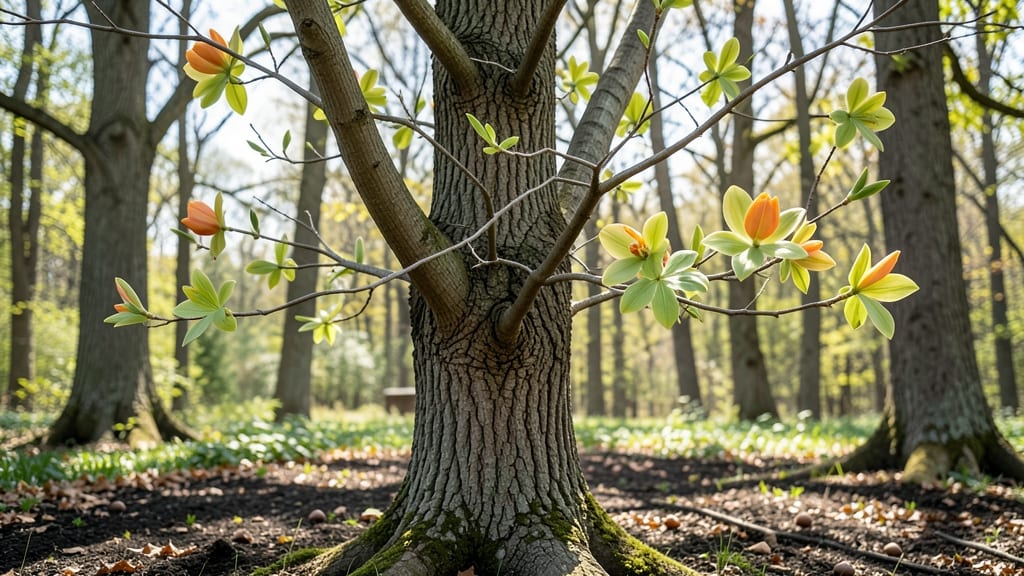
The tulip poplar bloom time is brief but breathtaking—these trees burst into striking yellow-green flowers for just 2-3 weeks each year, turning your yard into a showstopper 🌳.
If you're waiting for your tulip poplar (Liriodendron tulipifera) to burst into vibrant blooms, timing is everything—especially since these stunning flowers appear only briefly each year.
In USDA Zone 6a, like where most of us grow them, the bloom window typically opens in mid-April, right when the last frost passes. But climate, tree age, and even your local microclimate can shift that by 1-2 weeks.
Below, I’ll break down exactly when to expect blooms by region, how to spot the first buds, and simple tricks to coax the longest possible display from your tree.
Tulip poplar bloom time by USDA hardiness zones: what to expect
Tulip poplars (Liriodendron tulipifera) are one of the most striking shade trees in North America, but their brief flowering season makes timing critical. These trees typically bloom for just 2-3 weeks, so knowing your USDA hardiness zone helps you anticipate the perfect moment.
Early bloomers may appear as soon as late April, while late varieties might wait until June—all depending on your region's climate patterns.
In colder zones like 4-5, tulip poplars often wait for consistent daytime temperatures above 50°F before flowering. Meanwhile, in warmer zones like 8-9, they may bloom earlier in spring or even produce a second flush of flowers in late summer.
Rainfall also plays a role—drought stress can delay blooms, while excessive moisture may cause buds to drop prematurely.
🌳
In Zone 4-5, tulip poplars often bloom later due to colder springs. I’ve seen trees in Michigan and Upstate New York wait until early May when frost risk has passed. To encourage earlier blooms, plant in south-facing locations where sunlight warms the trunk faster.
In contrast, Zone 8-9 trees may start as early as March, especially in coastal areas where ocean breezes moderate temperatures.
Temperature swings are the biggest threat to tulip poplar blooms. A sudden cold snap below 32°F after buds form can damage flowers before they open.
In my Zone 7 garden, I’ve learned to monitor the National Weather Service forecasts and cover young trees with frost cloth if late frosts are predicted. Rainfall also matters—too little can stress the tree, while too much can cause bud rot.
🌧️
Young tulip poplars (under 10 years old) may take longer to bloom than mature trees. I planted mine as a 5-foot sapling in Zone 6, and it didn’t produce flowers until year 8.
Patience is key—these trees prioritize root and trunk growth before devoting energy to showy blooms. If your tree is mature but not flowering, check for nutrient deficiencies (especially nitrogen) or compacted soil restricting root growth.
For gardeners in Zone 7 and warmer, some tulip poplar varieties like 'Aureomarginatum' produce golden-edged leaves that complement the blooms year-round. Others, like 'Fastigiatum', have a columnar growth habit perfect for small spaces. Choosing the right variety can extend your visual interest period beyond just the bloom window.
🌿
To maximize bloom time, I recommend pruning in late winter (before buds swell) to remove dead or crossing branches. This improves airflow and sunlight penetration, which encourages healthier buds. Avoid heavy pruning during the growing season, as it can divert energy away from flowering.
Also, mulch around the base with organic matter to retain moisture and regulate soil temperature—both critical for bud development.
If you’re planning a landscape feature around your tulip poplar, consider pairing it with early spring bloomers like daffodils or late-season flowers like asters. This creates a continuous color display that extends beyond the tulip poplar’s 2-3 week bloom window.
With the right planning, your garden can stay vibrant from March through October!
How to identify and track tulip poplar flowering stages
Catching your tulip poplar (Liriodendron tulipifera) at the perfect bloom stage means paying close attention to subtle cues. These trees only flower for 2-3 weeks each year, so knowing what to look for helps you enjoy their showy yellow-green tulip-shaped blooms without missing a moment.
Start by observing the bud formation in late winter, which signals the tree is preparing for its brief but spectacular display.
The key to tracking progress is understanding the three distinct flowering stages: bud swell, full bloom, and post-bloom. Each stage has unique visual and scent markers that make identification straightforward once you know what to watch for.
For example, buds will swell noticeably in March or September, depending on your USDA hardiness zone, and their color shifts from green to a pale yellow-green.
Step-by-Step Guide to Tracking Tulip Poplar Blooms
-
Step 1: Identify Bud Swell
Look for 1-inch-long buds forming at branch tips in late winter/early spring. Buds will feel firm and slightly sticky when touched. -
Step 2: Watch for Color Shift
Buds change from green to pale yellow-green as they prepare to open. This happens 1-2 weeks before blooming. -
Step 3: Detect Scent Cues
Mature buds emit a light floral fragrance (similar to magnolias) when ready to bloom. This is your final confirmation. -
Step 4: Observe Full Bloom
Flowers open sequentially over 2-3 weeks, starting with lower branches. Each bloom lasts 3-5 days before wilting. -
Step 5: Extend Blooming Period
Prune spent blooms immediately to encourage new flower production. Water deeply 2-3 times per week during bloom season.
To maximize your tulip poplar's flowering display, focus on proper care during dormancy. Apply a balanced fertilizer (10-10-10) in early spring when buds first swell.
This provides the nutrients needed for robust bloom production. Avoid heavy pruning in late winter, as it can stress the tree and delay bud formation.
Another pro tip is to mulch around the base with 2-3 inches of organic mulch (like shredded bark) in fall or early spring. This helps regulate soil temperature, which can influence bloom timing. Warmer soils in Zones 6-8 often trigger earlier blooming compared to cooler northern climates.
If your tulip poplar isn't flowering as expected, check for three common issues: insufficient sunlight (6+ hours daily required), compacted soil, or over-fertilizing with nitrogen.
These factors can divert energy away from flower production. For young trees (under 10 years old), flowering may be minimal—patience is key as they reach maturity.
Once you've mastered tracking bloom stages, you'll never miss the tulip poplar's spectacular show. The combination of visual cues, scent, and timing makes this one of the most rewarding trees to cultivate.
With the right care, you can enjoy those stunning tulip-shaped blooms year after year—just in time for spring or fall's fleeting beauty. 🌳